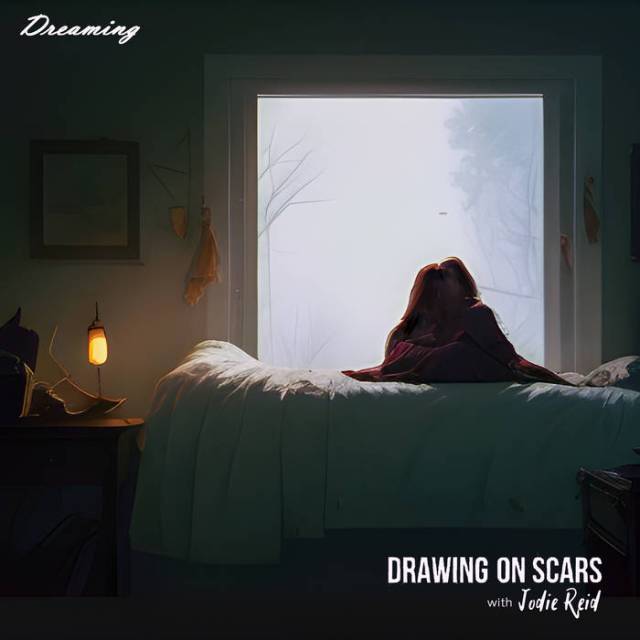
When I wrote about the wonderful collaborative duo The Star Crumbles and their new album a few days ago, I commented that in the music industry, two heads are often better than one. Today I have another shining example of that in the form of the latest collaborative single “Dreaming” by Atlanta-based rock act Drawing on Scars and Johannesburg, South Africa-based singer-songwriter Jodie Reid.
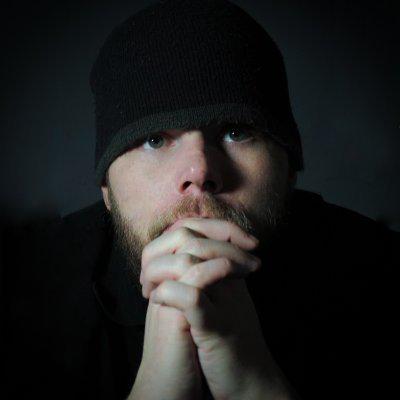
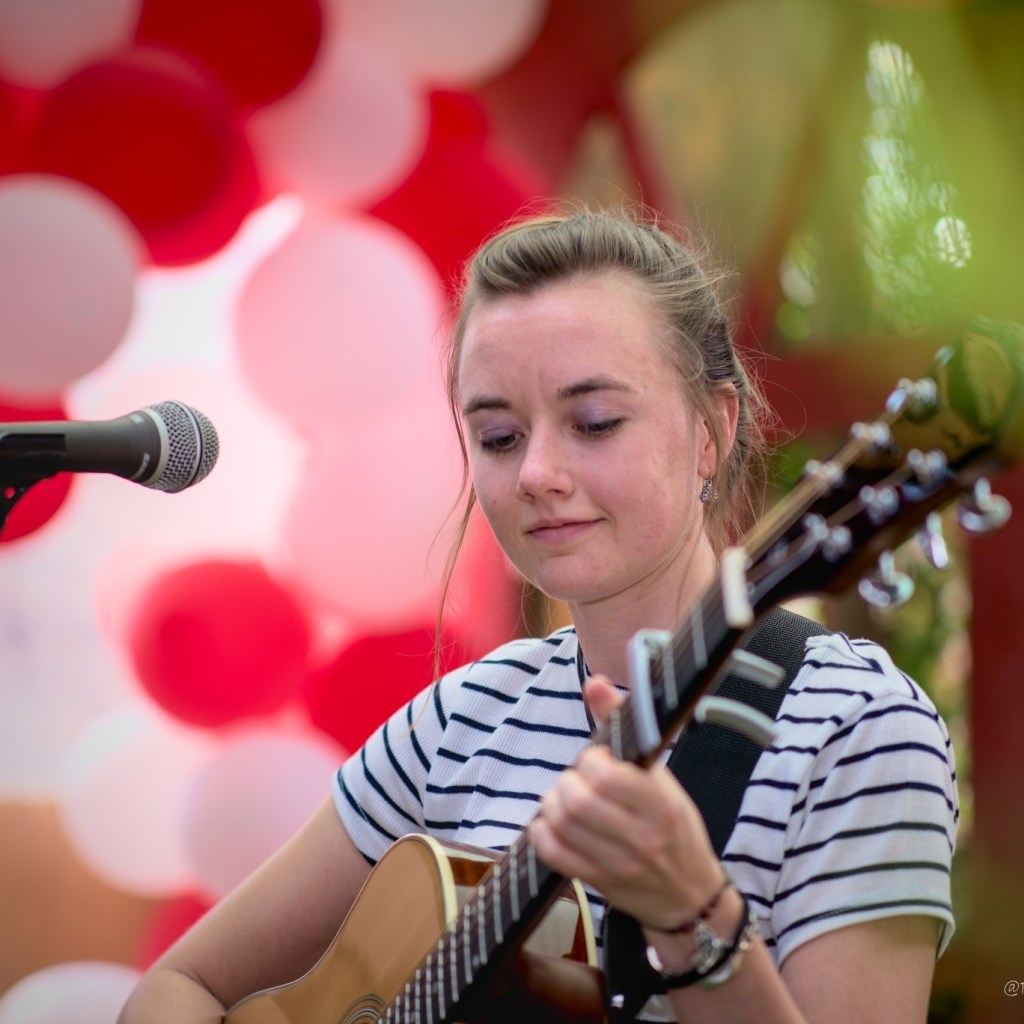
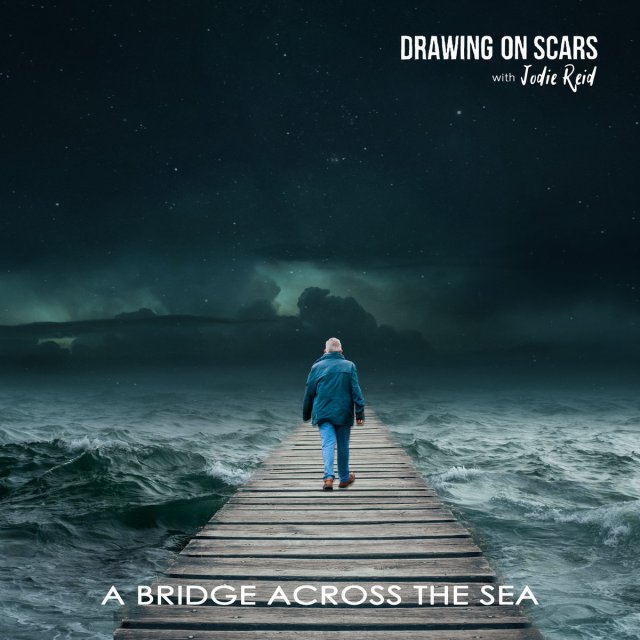
Drawing on Scars is the music project of songwriter and multi-instrumentalist Will Thacker, who for more than a decade has collaborated with singer-songwriters from across the U.S. and beyond in the creation of dramatic and edgy alternative rock songs. Will writes and performs all the music, while the different vocalists write the lyrics, which they then interpret in their own distinct vocal style. Jodie Reid is a prolific artist who’s released four solo albums since 2019. The two began collaborating by long distance in 2020, and together have recorded and released several singles, all of which were included in their terrific debut album A Bridge Across the Sea, which they released last September (you can read my review here). Now they’ve teamed up again to create their new single “Dreaming”, which dropped August 11th.
The song storms through the gates with a roiling onslaught of gnarly riffs and slapping drums, which are soon joined by melodic guitar and Jodie’s emphatic lilting vocals that remind me at times of Paramore’s Hayley Williams. The music settles down in the verses, allowing Will’s shimmery guitar notes to really shine, only to ramp back up in the choruses, Will’s furious guitars raging as Jodie passionately sings of trying to run away from her problems: “And off I go into the hills. Grab my soul and leave them. Far away mirror escape at night so I can’t see them. And all the voices in my brain won’t sing if I can’t keep them safe. Reality is slipping, please wake up I’m dreaming.”
“Dreaming” is another stellar rock song by this talented and dynamic dream team, and I’m glad they’re continuing to create music together.
Not really a band in the traditional sense, Atlanta-based music act Drawing on Scars is the creative brainchild of songwriter and multi-instrumentalist Will Thacker, who for more than a decade has collaborated with vocalists from across the U.S. and beyond in the creation of dramatic and edgy alternative rock songs. Will writes and performs all the music, and the different vocalists write the lyrics, which they then interpret in their own distinct vocal style. The result is an ever-changing music repertoire that always sounds fresh and unique.
After putting the act on hiatus in 2017, Will formed the band Fieldcrest with vocalist Jena Jones, and together they released an EP Canvas (which I just happened to review four years ago today). He resurrected Drawing on Scars in early 2019, and has been on a creative tear since then, dropping an impressive number of singles. His most recent collaborative effort has been with South African singer-songwriter Jodie Reid, a prolific artist from Johannesburg who’s released four albums of her own since 2019, at the rate of one per year! The two began collaborating by long distance in 2020, and released their first single “Here Comes Some More” that November. They followed in April 2021 with “If Only For a Little While”, and “Take It” (which I also reviewed) that August. All three of those songs are included on their new album A Bridge Across the Sea, which dropped September 30th.
Most of the songs on the album can best be described as melodic hard rock, tinged with elements of grunge, alternative metal and even power pop, and delivered with Will’s driving rhythms, scorching riffs and thunderous percussion. While these songs fall generally within Drawing on Scars’ typical music style, they’re a considerable departure for Jodie, whose solo music is more folk and soft-rock oriented. But she does a fine job as both a lyricist and rock singer, with a sound somewhat similar to that of Paramore vocalist Hayley Williams.
The album title A Bridge Across the Sea seems to reflect not only the long-distance connection between the two artists made possible by the internet, but also the themes of many songs, namely trying to hold onto one’s mental well-being, sense of self-worth or struggling relationships amidst breakdowns in communication, trust and/or identity. On the opening song “Desire” Jodie emphatically sings of her unrelenting and insatiable sexual hunger that’s overtaken her existence: “My self-control is crumbling, no matter how I hold it. I want it, I need it, I won’t accept defeat. Keep pushing, I crave it, as soon as I’m ready I’ll grab it and I won’t ever let it go. Take me to the edge and push until I break (let’s see how far I go) Down on my knees I’ll do whatever it takes.” Will’s jagged riffs serve to reinforce the emotional fire contained in the lyrics.
“What Day Is It” finds Jodie feeling lost and at the end of her rope: “I could have turned back. Retraced my steps. But that seemed like too much effort at the time. I just wanted to escape parts of myself.” And on “Encode“, she sings of the walls she’s built around her for self-protection: “And so you poke and prod to discover what makes me tick. You’d have me cuffed and caged, and treated like a lunatic. And when questioned I would stubbornly shake my head. I don’t want to share my secrets with you.”
The haunting and lovely “Bitter and Sick” is a cover of the original song by L.A. duo One Two, from their 2012 release Best Friend EP. Whereas One Two’s version is more ethereal and atmospheric, Will and Jodie give the song an edgier treatment, with heavier instrumentals and stronger vocals that become most pronounced in the dramatic chorus, while still retaining the song’s deeply emotional vibe. The lyrics seem to speak of a toxic relationship from which the singer cannot free herself: “Come on and break me down. I’ll let you ruin my day. Flow through my veins. I need a fix. Bitter and sick.”
The next few tracks are both hard-hitting and deal with dysfunctional relationships. “You Ran” speaks to a partner who just couldn’t be counted on, and I love these lines which really cut to the chase: “To be honest we were never meant to breathe the same air. Cause whatever I gave you stole from me and left me there.” And on “Take It“, Jodie rails against an indecisive partner who’s unable to ever choose a course of action or direction to take, causing them both frustration and ennui as they lumber along without direction. “Weighted down to your knees as you drag your feet along. And all questions are avoided with a shrug. Whatever’s easiest for you. Given time you just might drop that burden to the floor as you march alone unencumbered, but you’re weighing down on me.” It’s a terrific rock song.
“Broken Photo” touches on the perils of trying to be someone other than who you are, and living a superficial existence in an attempt to impress others. Jodie uses social media references to drive home her point: “You could have been so great, you might have been so grand if you had taken time to focus on the tasks at hand. Instead, you framed yourself a picture-perfect life. On display to show the socials, but didn’t even get a like.” I really like the song’s chugging rhythms and super-grungy guitars.
“Elephant” tackles the proverbial elephant in the room, namely how many people are afraid to speak honestly for fear of being harshly judged, even when we need to call out injustice or wrongs: “There’s an elephant in the room. Can you sense all the space in the conversation? Best eluded to keep the peace. Avoidance is encouraged by our generation.” This song strongly resonates with me, as I will not keep quiet about a lot of shit going on in America and the world, and it appears both Will and Jodie agree with me: “I can’t stay quiet anymore. Silence will not stop what’s in store. I will not roll over sweet submission. Forces will ensure that we learn our lesson.”
My favorite song on the album is the poignant “If Only for a Little While“. Jodie wrote the deeply moving song after the sudden passing of a close family friend, as a way of helping her process her feelings of grief and loss. Her vocals are heartfelt and tender as she laments “Cold down to the core of whatever’s left. I’m just matter lying still – hands on my chest. How I wish I could cry – let it all escape. Instead, I’m completely broken not even able to break. Lie me down, I’ll be right by your side. And I will hold onto you if only for a little while. Now you’ve gone, you left us all behind. But we will hold onto you if only for a little while.” The mournful piano and strings are beautiful and haunting, but also contain glimmers of hope.
The album closes on a high note with “Here Comes Some More“, a splendid nod to 90s grunge. I’m not certain, but the lyrics seem to be about someone who always needs to win, to be right, to be the best, yet never changing their approach, nor ever feeling fully content with themselves: “Every breath that you fake – you take it too hard. Each time, you start to lose faith, just to see if you’ve still got it in you (Well we all know you do). But you’ve been there before. You take a swing in the same old fight, hoping maybe this time you’ll strike true. The way you did before.” Jodie’s confident vocals are especially good on this track.
A Bridge Across the Sea is a fine debut effort from two very talented artists. Though they come from totally different environments, with divergent music styles and backgrounds, Will and Jodie have successfully managed to ‘bridge’ those differences to collaborate in the creation of a solid, well-crafted and compelling work.
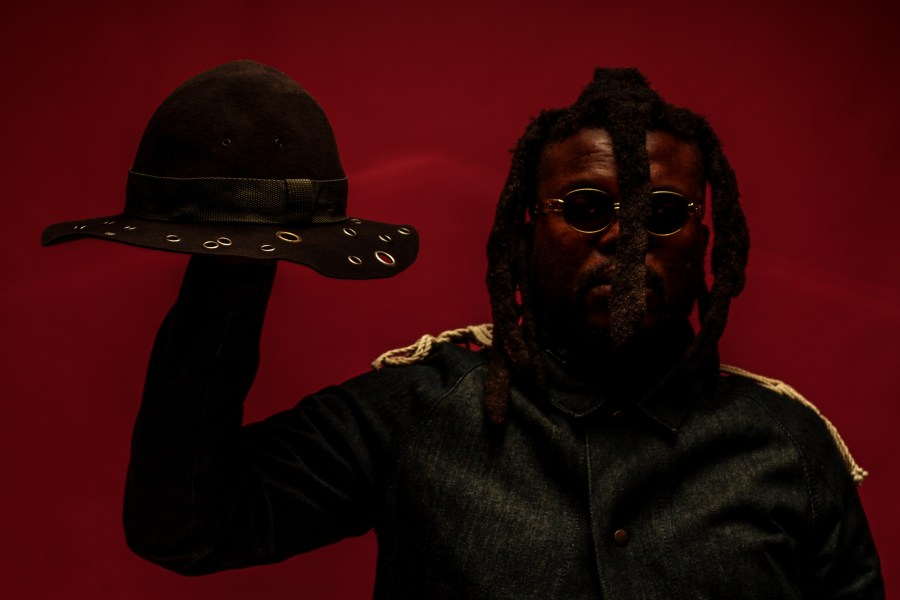
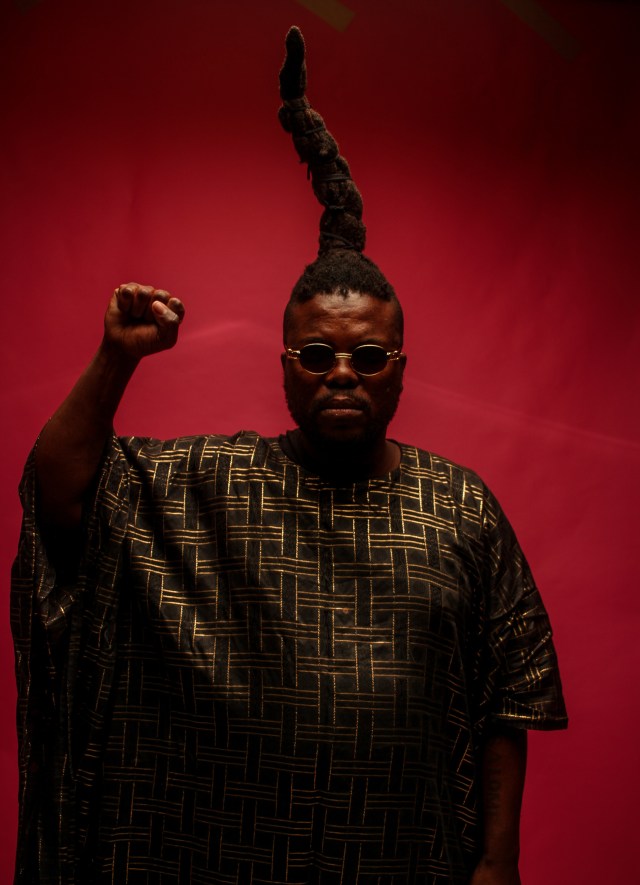
Tshepang Ramoba (aka RMBO) is a singer, songwriter, drummer, producer and film music supervisor based in Johannesburg, South Africa. He’s also a member of the South African alternative band BLK JKS (pronounced black jacks). He discovered his love for music and drumming rather serendipitously while in detention in high school. One day the detention teacher was absent, so the detainees were sent to the after school contemporary music class. Ever the showman, Ramoba went over to the drum-kit and started banging away in an effort to annoy his detainers, only to have his remaining detention sessions turned into contemporary music lessons by the school principal. He later studied African music and jazz at FUBA School Of Drama And Visual Arts, eventually earning a diploma in sound engineering there. He began studying for a post graduate music degree at Tshwane University of Technology, but left to embark on a world tour with his band BLK JKS.
As his music career advanced, he’s received several accolades, including being voted Best Musician by Billboard at the SXSW festival in Texas, winning the SAMA for Best Alternative album as part of BLK JKS, and doing a collaborative performance with Alicia Keys for a World Cup opening concert. He’s also played alongside The Roots.
Ramoba has an eclectic sound, in which he melds Afrobeat, alternative rock and electronic with traditional South African and World music. He’s released quite a bit of music as a member of BLK JKS, as a producer in collaboration with other artists, and as a solo artist. In 2019, he released an enchanting four-track EP Sešate, and has just dropped a wonderful new single “Bana Baka“. The song came about when he was asked to create the new theme song for Takalani Sesame, the South African version of the children’s television program Sesame Street. On “Bana Baka”, he tells a story about losing his kids to a Giant named Ledimo, but his ancestors said he will find them at the farms. He explains his inspiration for the song: “The song was inspired by the fact that I always wanted children since I was 16; I actually dreamed of having 13 to be exact. Reaching the age of 35 without even one influenced me to record the song”.
Though Ramoba grew up speaking the Sowetan colloquial language Tsotsi Taal, he sings “Bana Baka” in his native language of Sepedi, which he learned from his grandmother. Though I cannot understand the lyrics, the colorful instrumentation and fascinating vocals he’s included make for a delightful and compelling listening experience. I love that beautiful repetitive guitar lick that continues throughout the track, accompanied by a subtle, pulsating bass line driving the song forward while all sorts of exotic percussive sounds and scratching dance around it. Ramoba has an emotive and pleasing vocal style that goes from baritone to near falsetto with ease as he sings his verses. I’m not certain who sings the lilting back-up vocals and choruses, but they sound like a mix of male and female voices.
One of my most beloved albums in my collection is the magnificent Graceland by the legendary singer-songwriter Paul Simon. The iconic masterpiece is generally considered the finest work of his long and illustrious solo career, as well as one of the greatest albums ever recorded. When it came out in August 1986, I was living in the Los Angeles region and, like many who live in that sprawling megalopolis, had a long daily commute. I would record albums or make mixtapes onto cassettes so I could listen to my favorite music on my long drives to and from work. Graceland was one of the best of that time period, and I had it on repeat for many months.
Before digging into the album and songs, a bit of background would be helpful to provide some context for its creation. Following his successful run of hit albums and singles as a solo artist throughout the 1970s, by the early 1980s Simon had hit both a personal and professional slump. His relationship with Art Garfunkel had deteriorated yet again, his 1983 album Hearts and Bones was a commercial disappointment, and his marriage to actress Carrie Fisher had fallen apart. After suffering through a period of depression, in 1984 he became fascinated with a bootleg cassette tape of an album Gumboots: Accordion Jive Hits, Volume II, that had been loaned to him by singer-songwriter Heidi Berg, with whom he’d been working as her producer. In his liner notes for Graceland, Simon described it as “very up, very happy music” that sounded familiar, yet foreign.
The album was by South African band The Boyoyo Boys, and was in a style of music known as Mbaqanga, also informally called “township jive”, the street music of Soweto. Simon was so smitten by the music that he considered buying the rights to his favorite track on the tape, “Gumboots”, and using it to write his own song, as he had years earlier with “El Condor Pasa”. Hilton Rosenthal, a South African record producer who Simon’s label Warner had put him in touch with, suggested instead that he record an album of South African music. Rosenthal sent him dozens of records by South African artists, which Simon immersed himself in. He began improvising his own melodies and decided he wanted to go to South Africa to record with some of the musicians whose albums he enjoyed. The problem was, at that time the United Nations had imposed a cultural boycott of South Africa due to its policy of apartheid. This forced “all states to prevent all cultural, academic, sporting and other exchanges” with South Africa and ordered “writers, artists, musicians and other personalities” to boycott it.
Despite this restriction, Simon was determined to go to South Africa, and told The New York Times: “I knew I would be criticized if I went, even though I wasn’t going to record for the government … or to perform for segregated audiences. I was following my musical instincts in wanting to work with people whose music I greatly admired.” Prior to leaving for Johannesburg, Simon participated in the recording of “We Are the World”, the charity single benefiting African famine relief. He spoke to producers Quincy Jones and Harry Belafonte about his wanting to record in South Africa, and though they had some reservations, both encouraged him to do it. The South African black musicians’ union also voted to let Simon come, feeling it would benefit their culture’s music by bringing it international attention.
At the time, musicians in Johannesburg were typically paid $15 an hour, and Simon arranged to pay them $200 an hour, triple the going rate for top players in New York City. He also offered writer’s royalties to those he felt had contributed to compositions. Nevertheless, he still received harsh criticism from organizations such as Artists United Against Apartheid, and anti-apartheid musicians like Billy Bragg, Paul Weller, and Jerry Dammers. At an album launch party, Simon bluntly clarified his position on the controversy: “I’m with the artists. I didn’t ask the permission of the ANC. I didn’t ask permission of Buthelezi, or Desmond Tutu, or the Pretoria government. And to tell you the truth, I have a feeling that when there are radical transfers of power on either the left or the right, the artists always get screwed.”
Simon and his engineer Roy Halee traveled to Johannesburg in February 1985, and spent two weeks recording with Lulu Masilela, Tao Ea Matsekha, General M. D. Shirinda and the Gaza Sisters, and the Boyoyo Boys Band. The album’s opening track “The Boy in the Bubble”, recorded with Lesotho band Tao Ea Matsekha, was one of the songs recorded at those sessions. The song has a powerful, bass-driven rhythmic groove, highlighted by an accordion that provides a lively, almost carnival-like vibe, setting a nice tone for the album.
Overall, Graceland is characterized by an eclectic mixture of music styles and genres, including pop, rock, a cappella, zydeco, isicathamiya, and mbaqanga, and reflecting the various locations where the album was recorded. Consequently, some songs are clearly African, while others sound like songs that you’d hear in New Orleans or Nashville. The album has a wonderful flow, alternating between playful and more serious songs. Simon thought of it as like a play: In that New York Times interview, he explained “As in a play, the mood should keep changing. A serious song may lead into an abstract song, which may be followed by a humorous song.”
Every track on the album is great, but one of the standouts is the title track “Graceland”, a gorgeous, contemplative tune. The song features flawless performances by fretless bass player Bakithi Kumalo and guitarist Ray Phiri, as well as Simon’s childhood heroes The Everly Brothers on backing vocals. In his album liner notes, Simon remarked that the song had the feel of American country music, adding: “After the recording session, Ray told me that he’d used a relative minor chord—something not often heard in South African music—because he said he thought it was more like the chord changes he’d heard in my music.” The song is thought to be about seeking solace from the end of his relationship with Carrie Fisher by taking a road trip. “Graceland” was awarded a Grammy in 1988 for Record of the Year, a year after the album itself won for 1987 Album of the Year.
The album cuts featuring South African styles and sounds are pure delight. “I Know What I Know” is based on music from an album by General M.D. Shirinda and the Gaza Sisters, who collaborated on the song and sang backing vocals. I love the unusual guitar notes and distinctive lilting chant-like vocals of the Gaza Sisters. “Gumboots”, the song that got this whole thing started, is named for the term used to describe the type of music favored by South African miners and railroad workers, and refers to the heavy boots they wear on the job. With support by the Boyoyo Boys themselves, the song has an upbeat Cajun zydeco feel, highlighted by charming synclavier and dual alto and soprano sax. Another favorite is “Diamonds on the Soles of Her Shoes”, a wonderful collaboration with Ladysmith Black Mambazo, one of South Africa’s best known and loved groups.
Another collaboration with Ladysmith Black Mambazo is the sublime a capella track “Homeless”, with lead vocals by Joseph Shabalala, who co-wrote the song with Simon. With a melody based on a traditional Zulu wedding song, the lyrics are in both English and Zulu, and address poverty within the black majority in South Africa, telling of people living in caves on the side of a mountain, cold and hungry. “Crazy Love, Vol II” is a lovely, joyful song, with instrumentals played by guitarist Ray Phiri’s band Stimela.
Perhaps the biggest and best-known song from the album is “You Can Call Me Al”, a bouncy and clever tune about a man going through a mid-life crisis: “Why am I soft in the middle? The rest of my life is so hard.” The musical highlights are Simon’s six-string electric bass, the exuberant sax, trumpets and trombones, and the charming pennywhistle solo played by Morris Goldberg. The names mentioned in the wonderful lyric “I can call you Betty, and Betty when you call me, you can call me Al” came from an incident at a party that Simon went to with his first wife Peggy Harper. Noted French composer and conductor Pierre Boulez, who was at the same party, mistakenly referred to Paul as “Al” and to Peggy as “Betty”.
The humorous video for the song was actually a replacement, as Simon didn’t like the original video that was made. The replacement video was conceived partly by Saturday Night Live producer Lorne Michaels and directed by Gary Weis, with SNL alum Chevy Chase lip-syncing Simon’s vocals and making silly gestures punctuating the lyrics while Simon lip-synced to the backing vocals and brought into a room various instruments to play. The huge discrepancy in their heights made the video all the funnier.
Unfortunately, some of the songs generated a bit of controversy. Simon invited Linda Ronstadt to sing with him on the lovely “Under African Skies”, for which he received criticism, as three years earlier she had accepted $500,000 to perform at the South African luxury resort Sun City. “That Was Your Mother”, recorded in Louisiana, features the American zydeco band the Good Rockin’ Dopsie and the Twisters. Dopsie felt Simon had derived the melody from his song “My Baby, She’s Gone”, and was upset over not being credited, but decided not to take legal action. And on the rousing final track “All Around the World or the Myth of Fingerprints”, a collaboration with East Los Angeles-based Mexican-American band Los Lobos, the band felt they deserved writing credits. Band sax player Steve Berlin later recalled that Paul Simon “quite literally—and in no way do I exaggerate when I say—he stole the song from us. We go into the studio, and he had quite literally nothing. I mean, he had no ideas, no concepts, and said, ‘Well, let’s just jam’ and then goes, ‘Hey, what’s that?’ We start playing what we have of it, and it is exactly what you hear on the record.”
Be that all as it may, Graceland earned unanimous praise by music writers and critics, and was awarded the Grammy for Best Album of 1987. It’s Simon’s most successful solo album, selling more than 16 million copies worldwide, and in the recent update of their list of 500 Greatest Albums of All Time, Rolling Stone ranked it at #46 (up from #71 in 2012).
The last word comes from The Clash’s Joe Strummer, who in a 1988 interview with Richard Cromelin for the Los Angeles Times spoke of his love for the song “Graceland”: “I don’t like the idea that people who aren’t adolescents make records. Adolescents make the best records. Except for Paul Simon. Except for ‘Graceland’. He’s hit a new plateau there, but he’s writing to his own age group. ‘Graceland’ is something new. That song to his son is just as good as ‘Blue Suede Shoes’: ‘Before you were born dude when life was great.’ That’s just as good as ‘Blue Suede Shoes,’ and that is a new dimension.”



 ECLECTIC MUSIC LOVER