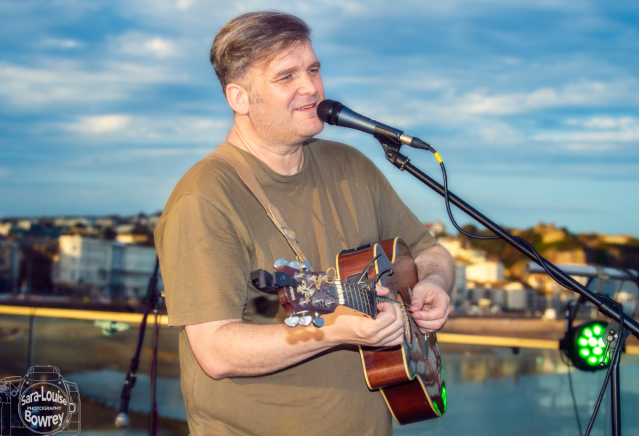
I seem to be in a pattern of writing about British artists lately (this is my seventh in a row!), but truth be told, they reach out to me about their music far more often than artists from any other countries, including the U.S. Today, I’m shining a spotlight on Chris Mardula, a singer-songwriter from Durham County in Northeast England. His music style is strongly informed with elements of folk, indie rock and blues.
A seasoned musician, he’s played in several bands over the years, but often felt frustrated by uneven levels of commitment by other members. He told me that with everyone having other responsibilities, it was often difficult getting everyone on the same page. Sick and tired of having to rely on other people, he eventually decided to move forward on his own as a solo artist. “I’ve had all of these songs just sitting there doing nothing for years. I thought to myself, it’s time I do something with them and get them out there to be heard. If there’s only me, there’s no excuses. So I built myself a little studio in the house and got busy making a few demos and writing some new tracks.”
Last November, Chris began releasing songs at the rate of one per month, starting with a lovely demo titled “Don’t let me down“. Consisting of just his strummed acoustic guitar and heartfelt vocals, the song is a poignant folk ballad about a fragile relationship. He assures his partner that he’ll be there for her, imploring her to not let him down: “Please stop complaining over things that I do. If you’re not so happy, you know what to do. Said I’d be there, I guess I always will. Just don’t let me down, C’mon now, don’t let me down. Cause this time is gonna be the last.” Listening to his pleasing vocals, I could easily be convinced that Chris was from Nashville or Austin instead of Northeast England.
He followed in December with his first official single “Take It Or Leave It“, which is my favorite song he’s released thus far. Written several years ago, Chris says the song is about living in a small town, making the most of it and finding your way forward while getting through the drag of everyday life, and how things usually turn out alright in the end. For this song, he layers beautiful programmed strings and vibrant percussion over strummed guitar notes, creating a stirring cinematic backdrop for his warm vocals as he fervently sings “Taking chances on the outside. I’m on the outside looking in. See my friends and see their faces. And all the places that we’ve been. So take it or leave it. Seen it all before. Take it or leave it. Cause you know you wanted more.”
In January, he dropped “Fade Away“, a beautiful rock song with a more powerful feel than his previous two. Chris’s guitar work is quite impressive as he unleashes an onslaught of scorching riffs over a background of strummed guitars, sweeping strings and riotous percussion. The lyrics seem to speak to the enduring pain over the death of a friend or loved one that refuses to fade away. “Days since he left me, was the day that he died. Still I can’t forget you, still here in my mind. Why can’t it all just fade away?” The song’s compelling video features footage shot by Chris, Craig Addison and Ella Brown.
February saw the release of “Catch a Fire“, an impactful rock song about not continuing to waste our precious time, and to keep pushing forward through the obstacles and pain life throws our way, in order to achieve our dreams and become a better person. The song has a bit of a Southern rock vibe, thanks to Chris’s splendid mix of bluesy and twangy guitars.
His most recent release “Calm In The Storm” is a terrific bluesy instrumental, where his skills on the guitar, piano and drums are allowed to really shine.
While it could be argued that the music world has more than enough ‘guys with guitars’ to go around, I think the quality of his songs places Chris near the top of a crowded field. Based on the five tracks he’s released so far, I’d say that he’s a pretty talented songwriter, musician and vocalist with a promising future. I also like that each of those five songs sounds completely different, a testament to his ability to reach across genres. He’s now putting the finishing touches on his debut album Monumental Horizons, which he plans on releasing later this year.
Though my feelings about social media are conflicted and complicated – a sentiment I’m confident many others share – one of the things I do like about it is that it’s allowed me to connect with a lot of really talented musicians and bands. One I’m happy to know is NAVE, the solo music project of British singer-songwriter, composer and producer Nathan Evans. Incorporating a broad array of genres and styles, including alternative rock, electronica, trip-hop, ambient, orchestral and dark wave, the hyper-talented Bournemouth-based artist creates dramatic, incredibly compelling music that’s often atmospheric and gorgeous, but sometimes also harsh and disturbing. Nathan is a thoughtful guy who’s unafraid to tackle issues relating to social justice and mental health, calling out the incessant bullshit and hypocrisy we seem to be faced with on a daily basis.
A truly prolific songwriter, he’s released a staggering amount of music over the past 10 years, both as NAVE (also sometimes represented as Nave or N.A.V.E.) and as front man of alternative psychedelic rock band Native Tongue. He’s been on a creative tear since 2021, and from what I can tell, he dropped eight singles last year, including “Broken Record”, a hauntingly beautiful song decrying the addictive nature of social media and its negative impacts on our emotional well-being. I love it so much, it went all the way to #1 on my Top 30 chart and ranks #14 on my 100 Best Songs of 2022 list.
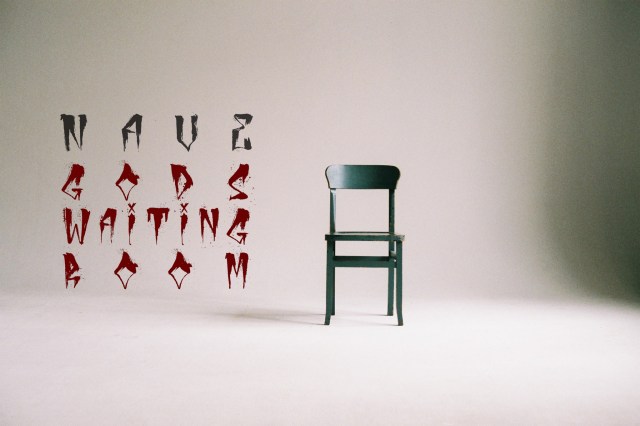
He’s continued to release lots of new music in 2023, and on February 19th, he dropped God’s Waiting Room, a monumental work which I believe is his first full-length album. The words “full-length” are a massive understatement, as the album contains a mind-boggling 31 tracks! Because of its daunting length, it was a few days before I was able to give it my full attention, but once I did, I was literally blown away! The word “masterpiece” is often overused and lightly awarded, but I can say with all certainty that in the case of God’s Waiting Room, it’s well-earned. Listening to this brilliant and stunning album is an immersive experience that takes us on a sonic journey through the many moods, ideas and emotions of NAVE’s creative mind.
In order to gain a bit of insight into his inspiration for creating such an epic work, I asked Nathan to answer a few questions, which he was more than eager to do. Here’s what we talked about:
EML: You’re an astonishingly prolific musician and composer Nathan, and I’m truly in awe of your tremendous output. Not only have you released an epic 31-track album, you’ve also recently released a number of other stand-alone songs. Where and how do you find your inspiration for all this music?
NAVE: First off, thank you for your continued support and kind words. You have been a true rare find in this shallow industry. The lack of camaraderie and true music lovers is scarce and we need more people like yourself who truly care about new music.
My 31 track album is a collection of songs and ideas spanning over 8 years to now. The majority of those songs were never intended to be released, but after going back and listening, I felt it was important because they carry so much emotion. I tend to release stand-alone songs that I spend a lot of time on and have that feeling of “oh this is a single”. The reason I called the album ‘Gods Waiting Room’ is because most of the songs aren’t singles, but more snapshots of moments in my life. What was going on and how I was feeling. I could imagine them all being played in a waiting room because they are so random and odd.
In answer to your question though, the honest response is I don’t know where and how I find the inspiration to have such a high output. Maybe I feel I have something to prove to myself and others who never believed in me. I was written off in school for having ADHD, and was medicated for 6 years with Ritalin so I always felt like an outcast. Maybe my subconscious wants to leave behind a large library of work that I feel is important. Maybe I’m on an autistic spectrum and I can’t stop jumping from one idea to the other, constantly trying to outdo myself and find my “smells like teen spirit” banger. Maybe I am trying to refine my tools and become the best I can be, which is very similar to the mentality I had when I was competing in trampolining from the age 5-11 and had to come 1st in all competitions. If I would come in 2nd ever, it would be crushing. I knew I had the magic and that has translated to music today
EML: Continuing on the theme of inspiration, some of the tracks on ‘God’s Waiting Room’ seem to have titles and/or lyrics dealing with self-assessment, mental health or personal well-being – e.g. “Jealous Little Bitch”, “Passive Aggressive”, “Son of a Rich Man”, “Computer Is My Friend” and “Kiss My Bad Side”. Are any of these songs autobiographical, or a means of addressing some inner demons or conflict?
NAVE: I find my songs either have a personal meaning, a message, or they don’t mean anything to me. Some tracks are blunt, some are cryptic, which means something to me, but to someone else interpreting them, it is completely different (which tends to happen often). Someone will tell me what my song means to them and I’ll be like “whoa, that’s not what I had in mind”. But I love that and it’s become clear from people’s comments that my music/lyrics creates imagery and causes multiple interpretations which I love.
For example, the songs you’ve mentioned. “Jealous Little Bitch” is an instrumental song, but made at a time when I was angry at certain people in my life and patterns of behaviour where I felt jealousy from “friends” or “family” instead of support and love. “Son of a Rich Man” was a dig at certain people that would never know the stress and uncertainty of having no money. They have an easy ride almost in a world where billionaires exist, and shouldn’t. I compare them to cartoon characters in a fairy tale paradise.
My track ‘Rose Tinted Glasses”, which was a stand alone release, was probably the most personal and therapeutic song I’ve ever written, about the loss of my Mum at 26. I put out a music video of it and I would cry every time I’d watch it. I’ve never had that with any song I’ve ever written and it addressed grief, anger and such sadness in me.
Another driving force isn’t so much facing inner demons but a feeling of obligation and duty to spread truth, love and light. Call out corruption, bullshit and lies. I made a tune called “blood thirsty billionaires” and made a video calling out certain people and shone a light on the ridiculous injustice and imbalance. It pisses me off that actors, musicians, sportsmen and whoever don’t use their platform enough to stand up to the lies we are fed everyday. The food we eat is full of harmful pesticides, the water we drink contains high levels of chlorine and the doctors don’t have our best interest at heart. They just read from a script or give us big pharma products. Cancer is 1 in 2 from the water, food and air, yet we freak out over a flu that mainly kills old and vulnerable people. We keep bending over to the government and accepting their lies and obeying without thinking for ourselves and truly questioning. Can you tell I am passionate about all this stuff. Can you see maybe why I make so much music lol?
EML: You certainly have a lot to say!When recording your songs as a solo artist, do you play and record all the music yourself? And besides the piano as your primary instrument, accompanied by what I’m guessing are lots of programmed synths, what other instruments do you play?
NAVE: Yeah, I mostly use the keyboard to write in synths, then programme and edit the drums. Then I finally add vocals. The vocals are always hit and miss. Sometimes they come quick and other times its a slog. I focus on the beat, atmosphere, melody and bass to create a vibe and if it makes me feel something, I quickly know whether to spend more time or move on. There always comes a time when I produce where that moment happens. Its like a magic. A transition occurs when the song comes to life and its amazing. I play drums, piano, guitar, bass and hope to learn the violin one day. I tried once and was terrible. The noise was so bad, I was unable to persist. So big respect to you violin players out there. You truly have to crawl through thorns and stinging nettles to reach the roses.
EML: With 31 amazing tracks, you could have broken them up into two or even three separate albums. Why the decision to include them all in one monumental album?
NAVE: I had considered that, but it felt they were all from a chapter in my life and belonged together. It also shows my progression till now and it was appealing to release a large body of work, particularly under such a poignant album title.
EML: That certainly makes sense. What other musicians or bands do you consider primary influences for your music?
NAVE: I ingested a lot of music as a teenager, but over the years I tend to stay away from listening to music as I find it better to be naive and not influenced by others’ music. The more music I listen to, the more chance I might feel I am copying them or “I cant do that because that sounds like that” if you know what I mean? But obviously Radiohead, Nirvana, Queens Of The Stone Age, Muse, BRMC, UNKLE, Jose Gonzalez, Deftones, Limp Bizkit, Morcheeba, Moby were big influences. Our bass player in my band Native Tongue is a music freak so he shows me a lot of new music and one track in particular that blew me away recently and inspired me to write my track “CONNIFER” is the track “NOT” by Big Thief. Incredible song.
EML: Is there anything I’ve neglected to ask that you’d like people to know about yourself or your music?
NAVE: I have struggled not finding the audience I was hoping to. It hurts when I put my heart and soul into these songs and I can’t reach anyone new or build my fan base, no matter how hard I try. I feel I’m finally coming to peace with that and doing this because I love it, not for people’s validation. My main drive has always been to reach people, and its been a painful road reaching so few people and not building that fan base I hoped for. Obviously there is still time but if it never happens, then fuck it. I still touched you and others, and devoted myself to an outlet which has kept me sane for so many years. Without it, I may not even be here now to answer these questions.
So my final thing to say is to everyone out there, do what makes you happy and try not to seek happiness externally. Think for yourself and question authority. We have been boxed up like objects and we are still treated like slaves working long hours for no money. It doesn’t have to be this way. Seek the truth within yourself and the world will open up like a flower. Independent thought. Love yourself and be kind to others.
Thank you Jeff. You are a star.
EML: Thank YOU Nathan for taking the time to answer my questions, and for all your incredible music. Hopefully, this review and interview will bring you at least a few more fans.
Okay, let’s get to God’s Waiting Room, shall we? Because it contains so many tracks – all of which are outstanding – I won’t be doing my usual track-by-track discussion, as it would take me forever and besides, no one would read it all! Instead, I’ll touch on my favorites, as well as some of the more fascinating and impactful tracks. Of the album’s 31 offerings, 17 are instrumentals, whereas 14 feature lyrics and vocals of some kind or another.
On the unsettling opening track “The Speaker“, NAVE talk-sings in a mysterious whispered voice “Why do you listen to the speaker? Isn’t that, in listening to the speaker, you’re listening to yourself? Is that what is taking place? The speaker is only pointing something out. Acting as a mirror in which you only see yourself. Your own state of mind. Your own consciousness. And if at the end of these talks, you say to yourself ‘I have not changed’, why, it is your fault.” Though I didn’t ask him, my guess is that the song set the overall tone for the album, also serving as a kind of introduction.
As the album unfolds, each new track brings a different mood and vibe, keeping it sounding fresh and holding our attention. The second track “Sleepy Head” is a darkly beautiful instrumental featuring a mesmerizing trip hop groove and rather spooky string synths. And speaking of spooky, “White Witch” is downright chilling as NAVE drones “Never again, will you and I suffer.Never again, will the world go by unnoticed” against a mysterious cinematic backdrop that would make a great opening for a horror film.
Several instrumental tracks, like “Into the Abyss“, “Twilight Zone” and “Watch It Unfold“, are atmospheric and beautiful, with haunting piano movements, sparkling synths and cinematic strings. One of my favorites is the stunning “Linda’s Song“, with its vibrant piano keys, soaring strings and pleasing guitar chords. I also love “Jealous Little Bitch“, with its gorgeous violin notes and eerie synths layered over an assertive skittering beat.
Another favorite (on an album full of favorites) is “Passive Aggressive“, with its trippy hip hop groove, highlighted by menacing industrial synths sprinkled here and there with twinkling little touches that keep the song from sounding too heavy and dark. NAVE does a great job rapping the wonderful lyrics about an encounter with an unpleasant receptionist at a medical appointment: “Walk in the door, time for my appointment. Ignored by a lady unhappy in employment. Making me wait for a good few minutes. Grittin’ my teeth, pushed to the limit. I calm myself, instant reflection dealing with this middle-aged bitch on reception. Stay strong, try not to break. Refrain from explaining, I’m here cuz my balls ache. I’ve come a long way, massive obsessive, passive aggressive.“
“Swim Away With Me” is so quietly majestic and beautiful, it brings tears to my eyes. Then, abruptly changing the mood with “Millions of Wilfully Ignorant Sleepwalkers“, he skillfully uses a droning melody and rather ghostly, dream-like synths to convey a sense of people moving through life like zombies, seemingly unaware of their surroundings. The darkly beautiful “Breath With Me” has a strong Radiohead vibe, thanks in large part to the beguiling falsetto by appropriately-named guest vocalist Ethereal, which seems to channel Thom Yorke.
The terrific “Son of a Rich Man” is a languid and bluesy, guitar-driven song that NAVE touched on earlier as being a dig at people born with a silver spoon in their mouths. I love the pointed lyrics: “I don’t know who I am anymore. In fact, I don’t think I ever did. I’m indecisive, with hindsight bias. Sure, the grass could always be greener./ But who knows, paradise could just be a fairly tale, only fit for cartoon characters and billionaires. Maybe I should make a plan, or wait to reincarnate as the son of a rich man.”
One of the most beautiful tracks on the album is “Infinite Ground“, where NAVE’s dreamy echoed vocals meld so perfectly with the delicate acoustic guitar notes, it nearly takes my breath away. The unusual “Tashi Delek” is a dark song, featuring a strong trip hop beat, deep bass and harsh industrial synths, punctuated by contrasting delicate xylophone sounds. NAVE’s otherworldly vocals add to the song’s edgy vibe as he wails “I looked at your face. I couldn’t help but stare. I got you on my mind. There ain’t nothing wrong. Just a slip of the tongue. Can you feel my pain? And I miss you.”
The album closes with the contemplative piano piece “My Goodbye“, a beautiful and fitting end to this exquisite work of musical art. I’ve probably listened to God’s Waiting Room more than 15 times, and it manages to reveal new sounds, textures and meanings each time I hear it. I love this album, and hope at least some of my readers will appreciate and enjoy it too.
Describing himself as “a middle-aged, middle-class singer-songwriter from South London“, Tim Eveleigh seems to be a humble man right from the get-go. After listening to his charming debut album, simply titled A Record, I am certain of it. Not only that, he’s a Renaissance man of sorts, with many talents and interests ranging from music and stand-up comedy to computer programming/IT development, music and events promotion, economics and politics. He’s also a staunch advocate for racial justice and equality.
Tim’s been involved with music since his childhood, and in a wonderful interview with the webzine Croydonist, he discussed how he began studying piano at a young age, eventually working his way up to violin and then viola in secondary school, where he also played in the orchestra. He began writing songs when he was 10, and ended up playing in two bands, which he cheekily remarked “rather worryingly, evidence of this still exists“. By his early 30s he’d written what he described as a solid collection of songs, but “after playing these for a few years I scrapped them all and started again, and I’ve written enough songs to record a couple of albums.”
From what I can tell, he’s released music rather sporadically over the past 15 years, beginning with a three-track EP this is all i have in December 2007. Nearly 13 years passed before he put out another release, a three-track EP In Kilnsea in June 2020, and last month, he returned with his debut album A Record, which dropped March 15th. The album features nine tracks, eight written by Tim and one, “White Lines”, written by British singer-songwriter and musician Ben Cosh. For the album’s recording, Tim played guitars, keyboards & percussion and sang lead vocals, Maria Levesley sang backing vocals, and Joe Jones played bass. Additionally, several other musicians contributed their talents on selected tracks, including Pete Long on saxophone, Pete Cooper on flugelhorn and trumpet, Andy Thornton on guitar, bells and bass, Chris Kimber on tubular bells, and Cara Thornton on backing vocals.
The album opens with “Overture“, a lovely, almost gospel-like song with a bit of a Celtic folk vibe. The inspiring lyrics “tell the world you’re alright, tell the world you sleep tight, and nothing can wake you up” set an overall tone of love and optimism for A Record. And though most of its tracks touch on aspects of love, relationships and emotional well-being, the lone – and glaring – exception is “Drones“. Though the song sounds pleasing from a musical standpoint, highlighted by Pete Cooper’s appropriately droning flugelhorn, the lyrics are searing and bitter, calling out our leaders who lead us into endless wars while insulating themselves from the resulting horrors: “You send our sons and our daughters to war. You send our sons into battle and our daughters into hell. You send our sons and our daughters to war and now you want us to do it all again. Have you learned no lessons from the deaths of the millions. Now you want us to do it all again. I see your sons and your daughters are alive. You make these big decisions, then let others do the killing. I see your sons and your daughters are alive.”
Tim has a pleasing and warm singing voice that’s similar to another British artist I’ve written about, The Blue Flame (aka Richard Stone), as well as Neil Tennant of the Pet Shop Boys in spots. On the beautiful and jazzy “Manifesto“, he sings of the games we play and things we say in order to keep our romantic relationships alive, referring to them as ‘propaganda’: “Propaganda: keeping us together. Propaganda: the lies that we tell each other. Propaganda: tell me what i need to hear. Propaganda: we are all actors. And I will love you till the end of time, and I will take you everywhere you want to go, and I will hold your hand while you sleep. I will be here until you go.” With Joe’s terrific little bassline, Tim and Andy’s wonderful guitars, Tim’s lovely keyboards, and Maria’s enchanting backing harmonies, this is one of my favorite tracks on the album.
On “Headrest“, strummed acoustic guitars and cheerful rhythms create a lighthearted backdrop for the rather bittersweet lyrics about a relationship that may have reached its end: “I don’t have the skills that I need to recover your faith and trust, but this is the best I can do with the lessons I’ve learned in life. I understand we’re in a tricky situation. A song and a smile are not the solution. If your ears are burning this might be the reason. Just this once we tried love, we tried grace, we had hope, we had faith, I found work, we had sex, I’m not sure there’s anything left.”
“Binary” is a brief but upbeat, guitar-driven song with a bouncy melody and sweet lyrics describing a relationship where both partners have long-settled into a comfortable routine that many of us in long-term relationships can identify with: “Turn the light out it’s on your side. Turn the light out it’s in my eyes. And I’ll let you know if I need you now.” On the poignant ballad “Good“, Tim tenderly sings to a loved one of his love and devotion in spite of the hurt he’s caused, accompanied by melancholy piano keys and strummed guitars.
Another favorite of mine is “Deluge“, with it’s bouncy bass-driven groove, lively strummed acoustic guitars, melodic mellotron, and Tim’s spirited taps on the cajón (a box-shaped percussion instrument originally from Peru). Tim assures his romantic partner of his love and devotion as they face the perils of war and conflict: “I have touched you everywhere. we have spoken in the dark. We have talked about so many things and you, you are perfect as you areThe sky’s alight with bombers, and the truth is withheld from us, I don’t know what to believe. The train is at the station, and the soldiers keep us safe from everything that would destroy us.”
The album closes with the tender love song “Touch“, in which Tim serenades his romantic partner of his fervent affection: “The beat of your heart a light in the dark. When I hear you laugh I’m tongue-tied.” Pete Long’s warm saxophone gives the track a nice jazzy touch (no pun intended!). It’s a fine ending for a delightful, well-crafted collection of songs written and sung from the heart.
For my latest Fresh New Tracks installment, I’m once again featuring for my readers’ listening enjoyment three great new releases by acts who couldn’t be more different from each other. They are, in alphabetical order, Michigan-based singer-songwriter Au Gres (who I’ve previously featured three times on this blog), British alternative grime rock band DeadWax, and German atmospheric rock band gimbal.lock (with the latter two acts being new to me).
Au Gres – “leaving”
Photo by Bryan Hugo Iglesias
Au Gres is the music project of talented and affable Michigan-based singer-songwriter Joshua Kemp. (He named his act after the small town of Au Gres in rural northern Michigan where he vacationed as a youth with his family, and holds special meaning for him.) Influenced by such acts as Dayglow, COIN and Hippo Campus, he blends elements of indie rock, lo-fi and synth pop to create pleasing songs that he records in his little DIY home studio. I first learned about him in the fall of 2020, when he released his sweet debut single “Nervous”. He followed in February 2021 with the beautiful “At Home in the Dark”, then a year later with “do you think we’re old enough”. I reviewed all three songs, with the one for “Nervous” garnering 1,162 views thus far. In just a year and a half, he’s become quite a successful artist, garnering impressive numbers on many of the streaming platforms; “do you think we’re old enough” has earned more than 365,000 plays on Spotify alone, and “Nervous” over 208,000. He dropped his fourth single “used to be” in November 2022, and on March 29th, he released his fifth and latest single “leaving“.
With its dreamy melody, sparkling synths and exuberant guitars, Dayglow’s influence on “leaving” is strongly evident, and in fact, Au Gres’ vocals even sound like Dayglow front man Sloan Struble here. In an article premiering the song on Atwood Magazine, Au Gres discussed his inspiration behind “leaving”: “I went through a lot of changes this year and I noticed the way I started to feel about myself was changing too. I wasn’t able to identify it at first, but retrospectively, I was putting a lot of my identity in things that actually had very little to do with me. Things like my career or friends or how much money I had saved. I guess the message here is to not define yourself by external, ever-changing things. Instead, figure out who you are at a core level so you’ll be better equipped to deal with change.” It’s a gorgeous song, and just might be my favorite by him yet.
I haven’t come across an act that calls their sound ‘alternative grime rock’ before, but after listening to the music of northern English four-piece DeadWax, I think it’s the perfect descriptor. Comprised of frontman Jake Milburn (lead vocals), Solomon Price (bass), Henry Skinner (guitar) and Ben Millington (drums), together they make raw, in-your-face musical mayhem drawn from alternative rock, rap rock, hip hop, funk and hardcore punk, to name but a few of the influences I hear. Their music calls to mind such legendary acts as the Beastie Boys, Limp Bizkit and Rage Against the Machine, though their sound is uniquely their own. They’ve released only a handful of singles, starting with “Heavy Temptation” in 2019, but have gained a reputation for their explosive sound and high-energy live shows.
On March 30th, DeadWax dropped their latest single “Northern Behaviour” a stupendous little blast of dynamite they call “A lil homage to how we grew up together in the North, grafting on building sites n laughing at each other in the pissin rain.” Jake elaborates: “The track is born from our time working as labourers on a derelict building site in Holmfirth. Sol and I worked there for about 2 years, doing anything from putting up scaffolding to moving literally tons and tons of dirt by hand.Doing that job,we always used to say it was ‘character building’ and in fairness, it gave us some serious motivation to get out of it. I wanted to pay homage to where we came from and how we got there, and taking the idea of ‘northern-ness’ and saying, yeah it might be gloomy and rough sometimes, but its fuckin’ great here, and we wouldn’t have changed anything about how and where we grew up together.” Well, I must say the song’s fuckin’ great too, a maelstrom of combustible rhythms, raging riffs and Jake’s furious vocals, fueled by a healthy dose of bravado.
DeadWax have a number of shows scheduled this month, so click on this link for details.
The curiously-named gimbal.lock is a fairly new German atmospheric rock act located near Munich. Comprised of Ralph Bayer (guitar, lead vocals), Tom Geissler (drums) and Zsolt Themes (guitar, backing vocals), all are seasoned musicians who’ve played in various bands for several years. I asked Ralph about their unusual name, and he told me ‘gimbal lock’ is a technical term for the phenomenon that occurs in a three-dimensional rotation system where the rotation axes unexpectedly align, causing the system to lose one degree of freedom. He’s a mechanical engineer working in the field of space robotics, and decided upon the name to reflect their music’s singularly unique and unexpected sound.
On February 24th, they released their debut single “Fantasy“, a beautiful song the band says “is meant to inspire the listener to let their imagination run free and escape reality with all its obstacles for a short time.” The guys recorded, produced and mixed the track themselves, with mastering done by Charles H. Root, III at Electric Owl Works in South Wales, New York. The song opens with soothing sounds of waves gently breaking on a beach, which are soon joined by strummed acoustic guitar notes. The music gradually expands to include a bold bass line, thumping drumbeats and glittery synths as Ralph beckons us to let our minds embrace a sense of euphoria and joy: “Close your eyes and follow me. Use your fantasy and free your mind. Forget your pain and touch the sky.” For me, the musical highlight of the song is its enchanting Middle Eastern flavor, thanks to the use of exotic instruments like the buzuq, a long-necked Arabic fretted lute, and the santoor, a trapezoid-shaped Indian hammered dulcimer. “Fantasy” is a promising debut from gimbal.lock, and I’m eager to hear more music from them!
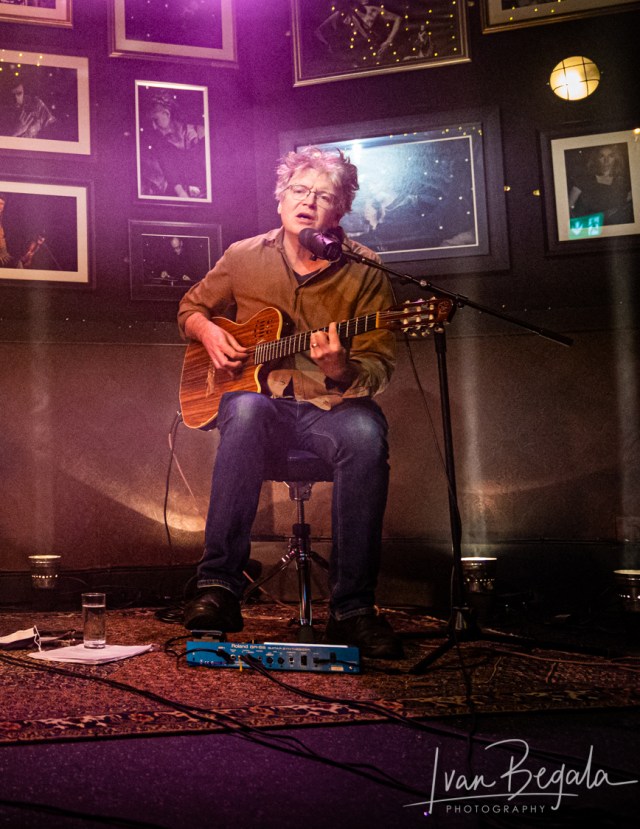
Irish musician and singer-songwriter Cormac O Caoimh is a skillful wordsmith, guitarist and vocalist from Cork. He writes sublime indie folk/pop songs filled with thoughtful, intelligent lyrics touching on the universal subjects of life, love, hope and loss, and delivers them with subtle hooks, fine instrumentals and pleasing vocals that remind me at times of Paul Simon. His catchy melodies seem to effortlessly draw us in, then stay with us long after the songs end. As Mojo Magazine once so eloquently put it: “each song superglues to the memory“, and indeed they do! His songs have earned him comparisons to such artists as The Go Betweens, Badly Drawn Boy, Elliott Smith, Crowded House, Nick Drake, Leonard Cohen and Sufjan Stevens.
Photo by Ivan Begala
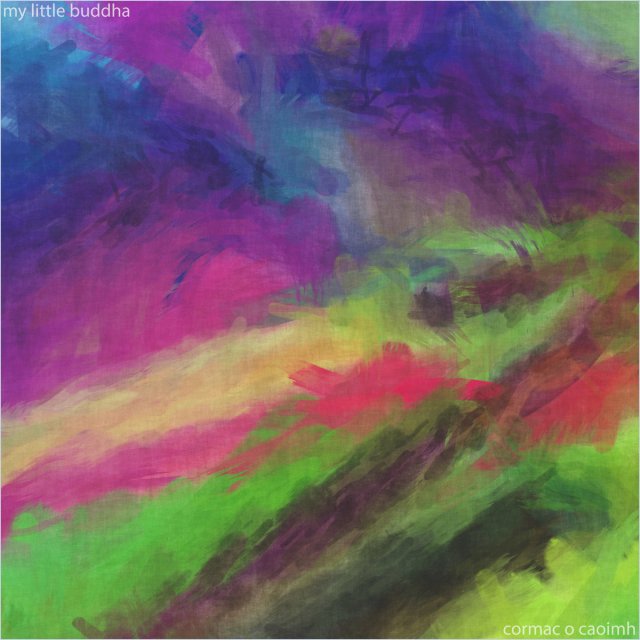
Cormac has released an impressive amount of music since 2007, including five studio albums, the most recent being the beautiful Swim Crawl Walk Run, released in May 2020. In February 2020, I reviewed “I’m in Need”, the lead single from that album. He followed in June 2022 with his lovely single “There Must Be a Catch”, and since then has dropped five more singles, the latest of which is “My Little Buddha“, a song he says is “about living in the now“. For the song’s recording, Cormac sang lead vocals and played guitars and keyboards, Aoife Regan sang backing vocals, and Cormac’s frequent collaborator, friend and fellow musician Martin Leahy played drums and bass. The track was mixed by Adam Whittaker, and mastered by Hafod Mastering.
It’s a charming song, with beautiful guitar work, accompanied by gentle bass and percussion, with a frosting of twinkly synths adding a lovely magical touch to the proceedings. Cormac’s vocals are comforting and warm as he sings the sweet lyrics expressing his love and assurance to a child, telling them to enjoy their moment, free from fears or worries: “Dance, no words my little Buddha. Dance, no fear, my little Buddha, Dance, no worries no fear here.” Aoife’s delicate backing vocals nicely complement Cormac’s in perfect harmony.
The delightful video for “My Little Buddha” features the same footage of actor Christopher Walken dancing around a deserted hotel lobby that was originally used in Fatboy Slim’s award-winning video for his 2001 song “Weapon of Choice”.
Those who purchase the song on Bandcamp will get an exclusive bonus b-side track “Believe (If You Feel)”, a mellow reimagining of Cormac’s song “If You Feel” from his debut album Start a Spark.
Quite a few music bloggers I follow seem to have favorite artists and bands they like to write about, and I’m no exception. I’m partial to certain artists and bands not only for their music of course, but also because I genuinely like them as people, so am happy to support them however I can. One such artist who falls into this category is Skar de Line, the solo music project of singer-songwriter, producer and composer Oskar Abrahamsson.
A thoughtful, charismatic and intensely creative guy born and raised in Sweden and now based in London, England, Oskar draws inspiration from his love for cinematic soundtracks and blends those influences with pop, hip-hop, electronica and alternative rock to create dark, unconventional music that takes the listener on a sonic adventure while also giving us a lot to think about. A renaissance man of sorts, the multi-talented fellow writes, performs, records and produces all his own music, as well as writing, directing and editing all his imaginative music videos. I’ve featured him on this blog him more times than I can remember over the past five years, both as a member of his former band Heist At Five as well as his solo act Skar de Line.
Oskar is endlessly fascinated by the concept of boundaries and the human need for self-understanding, so with that as a guiding principle, in May 2022 he released “Reset”, the first chapter in his autobiographical suite of music that aims to explore those concepts. That song addressed the notion of wanting to become a better person through continually evolving and reinventing oneself, but fearing that nothing will ever be good enough. He followed a few months later with the second chapter “New Silhouettes”, a song about having the freedom to make your own choices to become whoever or whatever you want to be, with no limits on how many different options you can choose. Last November, he released the cinematic “No Eyes in Paradise”, the third chapter in which he pondered his own sense of self-worth as an artist, believing he’s creating works of value and merit, but fearing that if no one else sees nor acknowledges them, does any of it mean anything? (I reviewed both “Reset” and “No Eyes in Paradise”.)
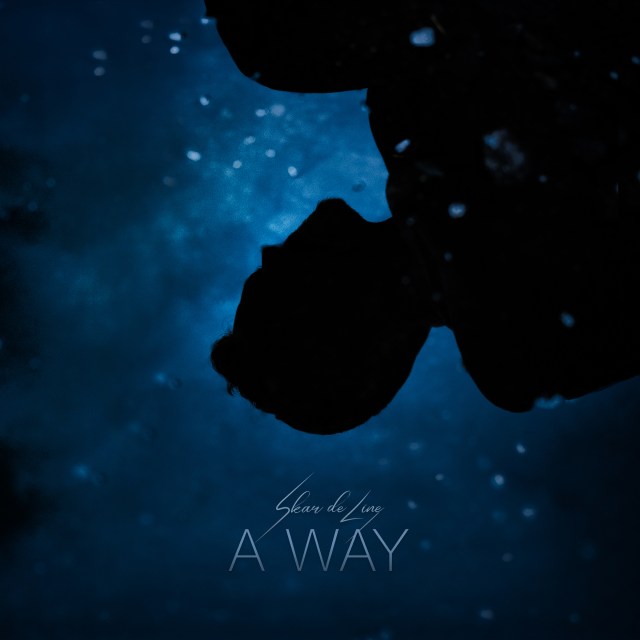
Now he returns with the fourth chapter of his autobiographical suite in the form of the single “A Way“, a hauntingly beautiful song inspired by a real-life event in Oskar’s life that occurred one night in London. He witnessed a man about to commit suicide by leaping off a ledge, intervening at just the right moment and saving the man’s life. But instead of feeling relieved that he’d helped avert the demise of this man, he was hit with conflicting emotions he hadn’t expected. Rather than feeling positive, caring thoughts over having saved the man’s life, he also harbored feelings of deep selfishness. Regardless of the outcome of the situation, he experienced a sense of excitement from the event, which gave him a new story to tell.
To convey this sense of emotional conflict, dissonance and guilt, Skar de Line layers eerie, wobbly synths over an emphatic beat as he croons: “With my hands on your shoulder looking down, this feeling is creeping up on me. The excitement I just can’t deny. Twenty feet above the ground, I’m scared, just how little I care. It’s almost like I’m thrilled to be here. Maybe it’s no longer about your fall. Maybe it’s about mine. Up or down, I can’t control it. I don’t know where I’m going. Up or down, I can’t control it. I don’t know what I’m doing.” The music turns more cinematic in the choruses, his vocals rising to a lovely plaintive entreaty as he sings “And if you would let go just for a moment, that would change our lives tonight. A bridge to a new life. Another step now, and you’ll take my breath away.”
This music video was entirely created, storyboarded, and edited by Skar de Line, and filmed on location in the Swedish countryside. The scenes were shot in the middle of summer in bright daylight, and later color corrected in dark blue hues to make them appear to have occurred at night, as was done with quite a few films made in the 30s, 40s and 50s before the advent of computer generated effects and more sophisticated cameras (“Sorry Wrong Number”, “From Here to Eternity” and “South Pacific” are a few that come to mind).
The story depicted in the video takes a different turn from reality, reflecting how Skar de Line truly felt about the night. He’s shown sitting on a ledge overlooking a lake with another man, and when the man finally leaps off, Skar de Line reaches out to grab him too late to stop him from tumbling over the precipice. The outcome of the event leads him to question his core sense of morality, his perspective on what is up and down, and ultimately, if there could have been another way to go.
For my latest edition of Fresh New Tracks, I’ve chosen three great new singles from a group of very talented acts I’ve previously featured on my blog: New Jersey-based indie artist 9fm, British singer-songwriter Callum Pitt, and Canadian-American singer-songwriter Shimmer Johnson, in a stunning collaboration with Danish electronic artist Refeci, who’s new to me.
9fm – “Lesson Learned”
9fm (short for Ninth Floor Mannequin) is the music project of hyper-creative New Jersey-based singer-songwriter and multi-instrumentalist Jarrod Pedone. Drawing influences from some of his favorite artists like Paul Simon, Fleet Foxes and James Blake, Pedone melds elements of folk, alternative rock and synth pop to create fascinating songs with a pleasing, often otherworldly vibe. He’s also a huge fan of the classic TV show The Twilight Zone, as well as the more recent Twilight Zone-influenced British sci-fi anthology series Black Mirror, and many of his song lyrics are based on particular episodes of those shows. I’ve written about his music several times over the past five years, most recently in May 2021 when I reviewed his brilliant EP First One, Ninth Fifteen.
Now he’s back with a new single “Lesson Learned“, which was inspired by The Twilight Zone episode “Time Enough at Last”, which first aired in November 1959. Starring Burgess Meredith as Harry Bemis, a frustrated bank teller who loves books but is surrounded by people who do all they can to prevent him from reading them, “Time Enough at Last” follows him through a post-apocalyptic world after a nuclear war has destroyed everyone and everything around him. The season one episode became one the most popular of the entire Twilight Zone series.
For the recording of the track, Pedone played all instruments, as well as handled the mixing and mastering. The beautiful artwork for the single was created by Jordan Campbell. Like many of his songs, “Lesson Learned” has a dark undercurrent, highlighted by an aggressive stomping beat and fuzzy cinematic synths. His echoed vocals have a haunting, ethereal quality that suits the subject matter quite nicely as he croons “Ooooh lesson learned, and it took too long. Who’d have known to take what you can while you can’t see the end of the story. Do what you would if you could but while you still can. And when there’s a will, find a way, ‘cause it won’t just stay waiting stay waiting.“
Callum Pitt is a thoughtful and talented singer-songwriter from Newcastle Upon Tyne in northeast England. Inspired by the music of such artists as Elliott Smith, Julien Baker, Adrianne Lenker, Sufjan Stevens, The War on Drugs and Fleet Foxes, he creates, in his own words, “indie-folk with a grand, orchestral, chamber pop sensibility plus an alt-rock edge”. His music is characterized by lush harmonies, captivating melodies, and honest, meaningful lyrics touching on subjects like depression and anxiety, and social and political unrest, delivered with his soft, pleasing vocals. Since 2017, he’s released an impressive number of singles as well as a four-track EP Poisoned Reveries in 2019. His beautiful second single “Least He’s Happy” has been streamed more than two million times on Spotify, with several other singles garnering over 100,000 streams. I’ve previously written about three of his songs, most recently last November when I reviewed his beautiful single “Mayfly”. The song is enjoying a long run on my Weekly Top 30, where it currently sits at #8.
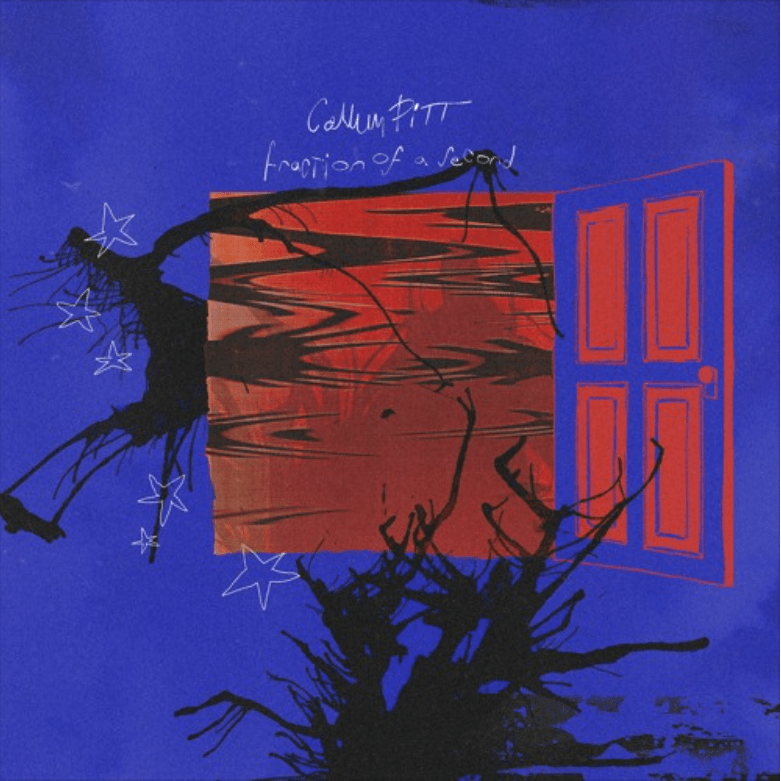
Now Callum returns with his latest single “Fraction of a Second“, a heartfelt song about the night he came perilously close to losing his mom, dad and brother to a motor vehicle accident. It’s the third single from his forthcoming debut album In the Balance, due for release on June 2nd. The song has a melancholy yet hopeful feel, and features a buoyant drumbeat overlain with delicate sweeping synths, beautifully-strummed guitar notes, lovely piano keys and vibrant strings. As always, Callum’s smooth vocals are comforting and warm as he sings of his gratitude that his family safely survived the crash: “And I don’t know what I’d do, if that truck had taken all of you, I think the moon may disappear. But a fraction of a second kept you here.”
Refeci is a brilliant Danish DJ and electronic house music producer who’s been making music since his mid teens, both as a solo artist and a collaborator with numerous musicians and vocalists. Now 23 years old, he’s released an impressive amount of music since 2016, and five of his singles have garnered many millions of streams on Spotify alone.
Shimmer Johnson is a singer-songwriter and musician with the voice of an angel. Originally from Edmonton, Canada with professional ties to Los Angeles, Shimmer has an incredibly beautiful and resonant singing voice. In addition to her amazing vocal talents, she’s also a fine guitarist and pianist, and has collaborated with several songwriters and producers to create an impressive repertoire of outstanding songs over the past several years. She started out singing Country songs, but eventually branched out into adult contemporary pop, rock and dance music, all of which she manages to handle with ease. I’ve written about her numerous times on this blog, and one of the songs I’ve featured, her terrific dance single “Starts With You”, went all the way to #1 on my Weekly Top 30.
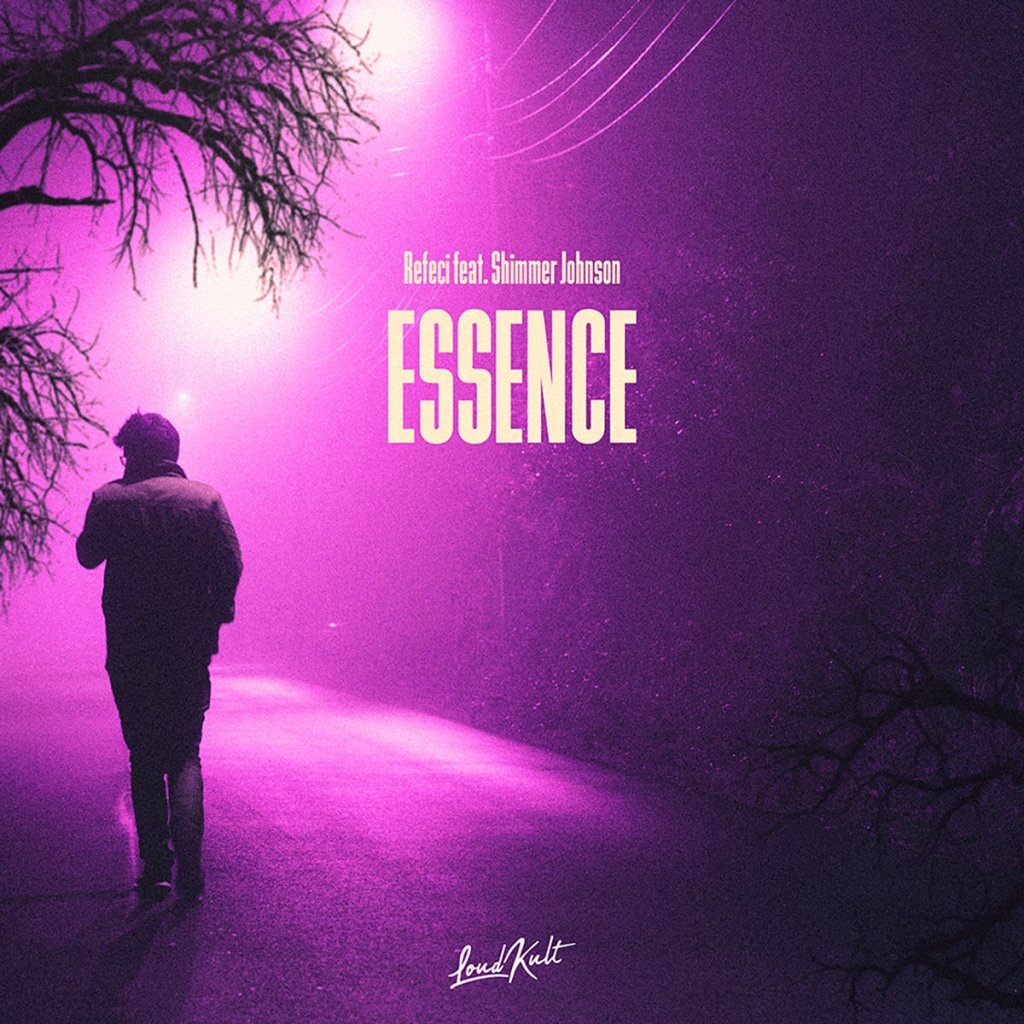
Refeci and Shimmer recently teamed up to create a captivating dance song “Essence“, released through the LOUDKLOUT label on February 17th. Refeci’s pulsating dance beats are overlain with hauntingly beautiful piano chords and gauzy atmospheric synths, creating a mesmerizing and sensuous soundscape for Shimmer’s enchanting ethereal vocals that transport us to a dreamy, faraway place. The simple lyrics speak to the importance of remaining true to oneself: “Don’t ever ever doubt your life.Make a wish and just believe. Find the path that’s right. It’s the essence of life.”
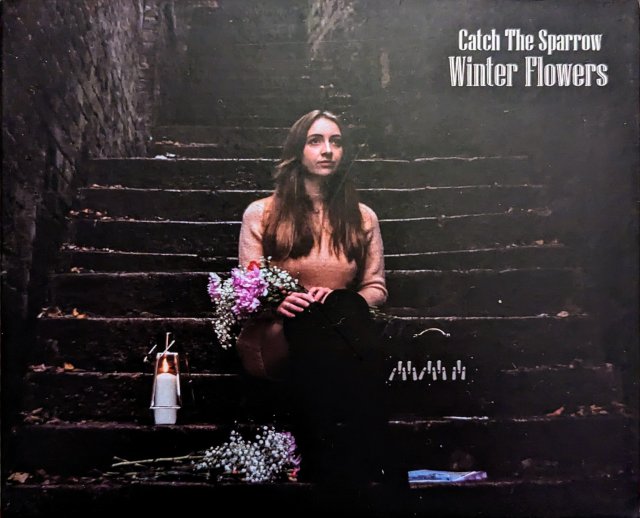
Catch The Sparrow is the music project of Dutch-born and now England-based composer, singer-songwriter and arranger Suze Terwisscha van Scheltinga. I learned about her when her mother reached out to me after reading my review of the song “Mayfly” by British singer-songwriter Callum Pitt, whom Suze has performed with. Her mother alerted me to Catch The Sparrow’s new EP Winter Flowers that was released on December 2nd of last year, which I’m finally getting around to writing about.
According to her bio, as a child Suze loved writing stories and making music, and upon realizing it was possible to combine both passions, she began writing songs. By the time she was 16, she started performing her own original songs while accompanying herself on piano. She studied at the Utrecht Conservatoire, majoring in Jazz & Pop vocals, and during her time there, she started playing with a band as a way to fully explore new sounds and rhythms. After graduating in 2019, she made the bold decision to relocate to the UK, to study Folk and Traditional music at Newcastle University under the guidance of Emily Portman and Imogen Gunner. Influenced by the likes of Joni Mitchell, Lisa Knapp, Joanna Newsom and Fiona Apple, her compositions transcend boundaries of style and genre in a compelling blend of folk, jazz and pop.
She’s already making a name for herself in the British music scene. Under her artistic moniker Catch The Sparrow (which was inspired by a lyric in the Crosby, Stills & Nash classic “Suite: Judy Blue Eyes”), she released her debut single “Painting the Roses Red” in December 2020. She followed in February 2021 with the similarly-titled album Painting the Roses Red, a collection of eight beautiful jazz-infused tracks. Shortly after earning her Master’s degree at Newcastle University in 2021, she saw her song ‘Winnowing’ chosen as one of the highly recommended entries of 2021’s Tune Into Nature Music Prize, and in April 2022 she was selected as one of ten emerging female composers to write for Issie Barratt’s jazz ensemble INTERCHANGE.
As she immersed herself in the culture of Northeast England, Catch The Sparrow discovered the charms of Northumbrian small-pipes (bellows-blown bagpipes from North East England that have been an important factor in the local musical culture for more than 250 years). Inspired by them, along with the traditional folk music she’d studied at Newcastle University, she wrote five songs for Winter Flowers that, in her own words, “reflect the ever present gloom and uncertainty without losing its glimmer of hope.” The EP was produced by David de la Haye, and features contributions of local musicians Ceitidh Mac on cello, Andy May on Northumbrian small-pipes and harmonium, and Mera Royle on harp.
Catch The Sparrow has the voice of an angel, and she layers her enchanting vocals to great effect, especially on the opening track “Farewell/Here’s The Tender Coming“, where she addresses a rather dark subject with beauty and grace. Like several tracks on Winter Flowers, this is actually a combination of two tunes that are are deeply rooted in the Northumbrian folk tradition. She explains: “The first tune ‘Farewell’ was lifted from the The Northumbrian Pipers’ Third Tune Book. The lyrics I wrote for this plaintive little melody, simply described as ‘a slow highland air’, depict the moment of parting and its aftermath. ‘Here’s The Tender Coming’ is a traditional Northumbrian song that recalls the practices of the notorious pressgangs that used to frequent the port of Newcastle during the Napoleonic wars.” (Press gangs were groups of soldiers or sailors used by the British Royal Navy as a harsh means of recruiting able bodied men into naval service, often against their will and by violent coercion. The practice of impressment – also known as Shanghai-ing or crimping – was common in all the world’s ports until about 1820, and was widely used, as recruiting sailors voluntarily was difficult due to the poor conditions on board ships, not to mention the dangers of serving in the navy, especially in times of war.)
“Farewell”, a wistful tune featuring layered a capella vocals accompanied by ambient sounds of gently crashing waves, is sung from the perspective of a newly-impressed sailor bidding goodbye to his loved one “Fare thee well, my sweet lassie. Fare thee well, I must depart.” “Here’s The Tender Coming” is sung from the perspective of the woman being left behind, lamenting the taking of her man, and warning other men to hide from the impressors: “See the tender lying, off at Shield’s Bar. With her colours flying, anchor at the bow. They took my bonny laddie, best of all the crew. Hide, canny laddie, hide theeself away. Hide till the frigate makes for Druridge Bay. If they take ye hinny, who’s to win our bread? Me and little Jackie better off be dead.”
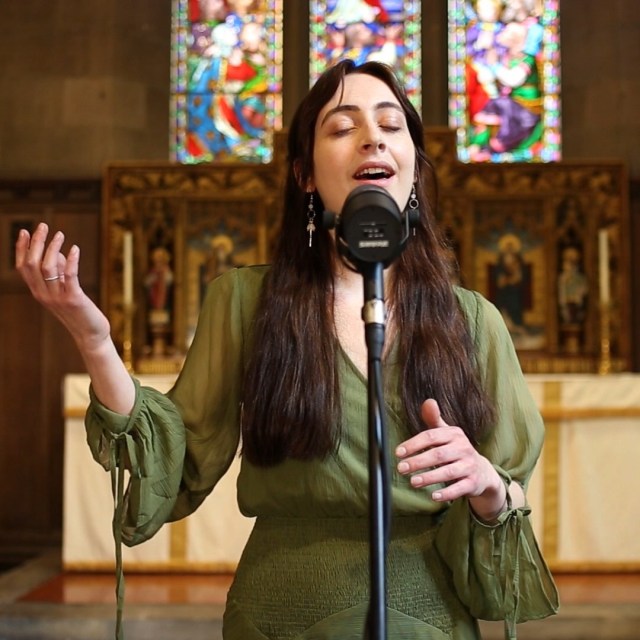
The video for the song shows Catch The Sparrow singing the song in St Andrew’s Church in Newcastle, accompanied by Ceitidh MacLeod on cello and Mera Royle on harp. Instead of sounds of crashing waves, we hear Catch the Sparrow playing the gently droning shruti box (an instrument similar to the harmonium that originated in India).
“Game of Chance” is a melancholy but lovely song, with delicate harp, harmonium and shruti box accompanying Catch The Sparrow’s bewitching vocals. She explains her inspiration for writing this song: “While working on this project, I stumbled by chance on Tish Murtha’s photo series Youth Unemployment, in which she portrays Newcastle’s youth during the Thatcher years. I was struck by the desolation and raw beauty of the pictures. The photo of ‘Cuddles playing cards’ became the inspiration for this particular song. The traditional Northumbrian tune ‘Small Coals an’ Little Money’ serves as a base layer for the song.”
Using card game metaphors, the lyrics seem to speak to the contrasting notions of privilege and luck, and dealing with the hands we’re dealt in life: “I have a lump of coal. It’s the only treasure I own. Daddy says I cannot go, but someday I’ll join him below. Down below, down below. Go ask the devil, ‘cause the devil might know. Deal a hand, deal a hand. We all play a game of chance. I have a deck of cards. Queen of flowers, one-eyed jack. Lucky, he who deals the hands. Took the red ace, left the black.“
Halfway into the EP, we’re treated to “Interlude“, a one-minute long tune consisting of Catch The Sparrow’s layered a capella blend of humming and scat vocals, accompanied by jaunty hand claps. This is followed by “Border Spirit/Before the Flood“, another traditional folk couplet. “Border Spirit” is an instrumental-only tune, comprised of Northumbrian small-pipes and what sounds like shruti box and lasting just under two minutes, which then segues into “Before the Flood”, a beautiful piano-driven song highlighted by melancholy Northumbrian small-pipes and Catch The Sparrow’s soothing layered vocals. I’m struck by how much she sounds British or possibly Scottish, rather than Dutch.
The final track is the third couplet on the EP, featuring the title song “Winter Flowers“, a delicate piano ballad extolling the resilience of flowers able to survive the harsh conditions of winter: “See these flowers grow undeterred by the frost and snow. Hardy little souls, the cold does not faze. Beautiful and bright how they bask in the bleak winter’s light, unafraid of life’s changes.” The second part of the track is “Liberty For The Sailors“, a traditional song celebrating the return of the sailors. Catch The Sparrow’s lilting a capella vocals are accompanied by crashing waves, bringing this charming little EP full circle.
One of my best new finds of 2022 has been British singer-songwriter, producer and sound designer Charley Hullah, who goes by just his last name, stylized as HULLAH. I first learned about the handsome, talented and highly engaging London-based artist as a result of being a guest moderator for the BBC Music weekly song competition Fresh On The Net, for which he’d entered his gorgeous single “Chasing Trains”. I loved it the instant I heard it, so much so that it ended up spending 20 weeks on my Top 30 chart, going all the way to #1.
Born and raised in the Midlands, HULLAH relocated to London in 2013 to study songwriting at The Institute of Contemporary Music Performance, where he earned a B.A. Since graduating, he’s worked as a creative freelancer in the music and media industries, writing and producing music for his solo act, as one-half of the electro-pop duo Futuretape (currently on hiatus), and for other artists, as well as sound-designing for theatre, creating digital content, organising music workshops and working on events such as the Artist and Manager Awards. Most recently, he became Content Manager for Disabled Students UK, and has held the role of Content Manager for Alight Media where he developed a content delivery department for high budget nationwide out-of-home media campaigns.
According to his bio, HULLAH “creates music inspired by a passion for nightlife culture and stories from the queer community. Wrapped in the sonic flavours of trip-hop, 90’s house and synth-pop, his tracks emulate a nocturnal spirit and are complemented by the themes of city living, alienation, ambition and a sense of dejection – commonly expressed through his lyrics. His songs, both introspective and solitary, offer insight into how he navigates his way through the noise and distortion of everyday city life.” His music is inspired by such acts as as Everything but the Girl, Real Lies, Portishead and Pet Shop Boys.
He’s just released his third solo single “Wild as the Wind“, and it’s every bit as magnificent at “Chasing Trains”. Written and produced by HULLAH and mixed by Matt Catlow, the track features more of the lush, sultry vibes I loved on his previous song, but with even more sound textures that take it to a higher, more sophisticated level. Whereas “Chasing Trains” was entirely electronic, “Wild as the Wind” is anchored by a deep, sensuous bassline played by fellow musician Gabrielle Ornate, and fortified with spine-tingling distorted guitar work played by Orlando Sadler. HULLAH explains: “I knew that I wanted and needed live instrumentation on this one so I reached out to my great friends Gabrielle and Orlando. Gabrielle laid down killer bass on this that just glues the whole track together. It packs a gut-punch. Orlando mirrored the sense of dejection in the soundscape and lyric by creating these huge, distorted synth-like guitar lines that create an awesome atmosphere.”
Well, I have to say that together, they’ve created something quite spectacular. “Wild as the Wind” is a dramatic, hauntingly beautiful little masterpiece. The combined warmth of Gabrielle’s sensuous throbbing bassline and HULLAH’s plaintive sultry vocals contrasts with – yet perfectly complements – the icy soundscape created by the ghostly industrial synths. There are so many wonderful little instrumental touches heard throughout the track, like the sparkling keyboards and delicate jangly guitar notes. I’ve been listening to it on endless repeat.
As to the song’s meaning, HULLAH elaborates: “‘Wild as the Wind” is an ode to the wilderness I feel inside myself – the parts of myself I don’t understand and have to grapple with. It’s about trying to make friends with your own insecurities, worries, dread, hopes and desires – the things you don’t quite understand but that equally push and pull you in life nonetheless. There’s the ‘us’ that we present to the world and then there’s the ‘us’ that we are when we are alone, uncomfortably alone. That’s what I mean by wilderness, the space in between those two versions of yourself. ‘Wild as the Wind’ is about not trying to contain this wilderness – it’s about truly seeing those aspects of yourself and attempting to accept and be at peace with them. The song was initially written about two people in my life that were going through hard times. As I kept writing, I later realised that it also reflected my own experience navigating this wilderness I felt they were also battling with.”
You've spend a lifetime looking for something on the other side
You could spend another drifting like you do
All that guilt and history is like a thorn caught in your sleeve
I know the pain, the hurt and how you yearn to let it go
And I can't save the soul you hold
And I can't save you on my own
I can't do that, but you can't see that
If you don't swim now you will drownYou're as wild as the wind
And I can't catch you
Cause you're as wild as the wind
And I can't cage you
You're so warm outside, but so cold within
A smile is a wall that's caving in
You're breathing to a rhythm that you can't play
Little feet don't make big steps without
Soles that can tread some hard ground
So how many years will be lost before you finally take the reins?
There's no escaping a wild mind
No easy way to win the fight
But you must fight back
You must see that all that you need is in yourselfCause you're as wild as the wind
I can't catch you
Cause you're as wild as the wind
And I can't cage you
You're full of grace and gold
So let the wind be what you know
And be as wild as the wind
And let it take youThough time is all you fear
And nothing is all you feel
Keep on running for a reason
Just let that reason be your life
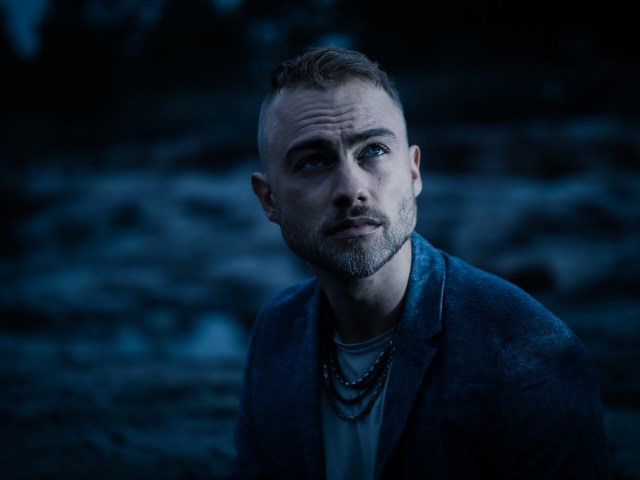
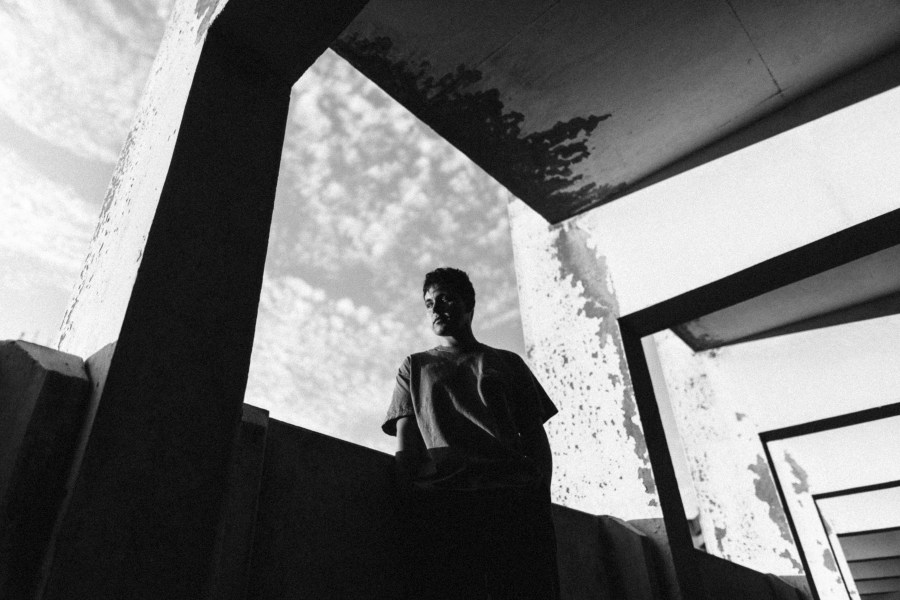
Callum Pitt is a thoughtful and talented singer-songwriter based in Newcastle Upon Tyne in northeast England. Inspired by the music of such artists as Elliott Smith, Julien Baker, Adrianne Lenker, Sufjan Stevens, The War on Drugs and Fleet Foxes, he creates, in his own words, “indie-folk with a grand, orchestral, chamber pop sensibility plus an alt-rock edge”. His music is characterized by lush harmonies, captivating melodies, and honest, meaningful lyrics touching on subjects like depression and anxiety, and social and political unrest, delivered with his soft, pleasing vocals. In other words, his songs are beautiful.
He began writing and singing songs in this teens, performing in pubs and small venues in and around Newcastle. He released his wonderful debut single “You’d Better Sell It While You Can” in 2017, and in the years since, he’s dropped an impressive number of singles as well as a four-track EP Poisoned Reveries in 2019. His beautiful second single “Least He’s Happy” has been streamed more than two million times on Spotify, with several other singles garnering over 100,000 streams. He’s also earned accolades such as the Alan Hull Songwriting Award for songwriters in 2019, and participated in the Fender Player Plus competition in 2022.
Photos by Daniel Stark
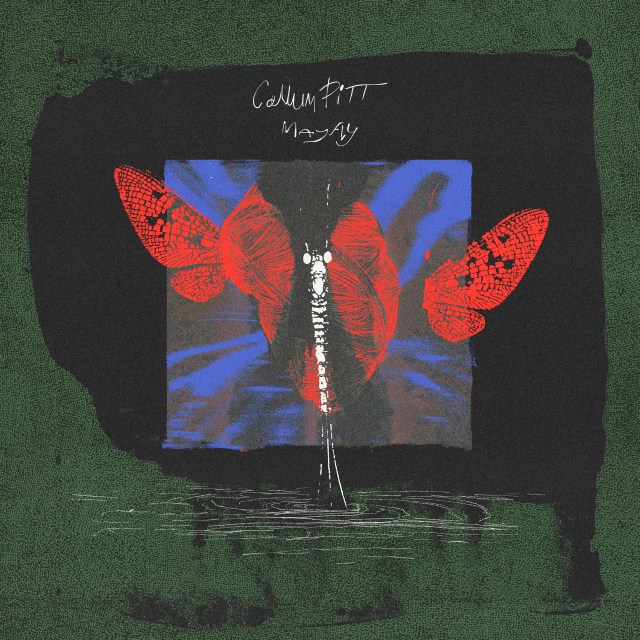
I’ve previously reviewed two of Callum’s singles, both in 2020: “Fault Lines” (which spent 10 weeks on my Top 30 chart and ranks at #84 on my Top 100 Songs of 2020 list), and “Sea of Noise”. Now he’s back with his first new music in two years almost to the day, a lovely, deeply personal single “Mayfly“. The song was written and composed by Callum, who sang lead vocals and played acoustic and electric guitars and keyboards. Additional musicians performing on the track include Luke Elgie on bass, Gavin Christie on drums, John Martindale on percussion, Ada Francis and Jodie Nicholson on backing vocals, Alex Saxon, who wrote and played the saxophone line, and James Leonard Hewitson on trumpet. The track was co-produced by Callum and John Martindale, who also engineered and mixed it at Blank Studios. Mastering was done by Robin Schmidt.
The song is essentially about adulthood, and Callum’s feelings of apprehension over the responsibilities he’ll face as a potential parent, fearing he might not be up to the task: “I’m 28 now, eventually not feeling like a teenager anymore and probably will have my own children in a few years’ time. ‘Mayfly’ talks about that worry I have that living with anxiety and bouts of depression will mean I will never be able to provide that emotional stability that children will require. It’s quite a hopeful song though, as I still have a few years yet, and mainly talks about the ambition that I’ll be more emotionally stable and at peace as the years go by. I often look at people in their 30s and 40s and think they appear very at peace, but maybe there are always relative struggles and difficult things to overcome, and we always have to cherish the highs and know that the lows are inevitable.”
“Mayfly” has a lively, upbeat melody that contrasts with the poignant lyrics. One of the many things I like about the song is how each instrument is allowed to shine. With every new listen I hear little instrumental nuances, like the perfect melding of acoustic guitar notes and delicate piano chords in the verses, and how the drums become more intense in the choruses, accompanied by glorious exuberant riffs and swirling keyboards. Callum’s smooth vocals are both comforting and heartfelt, backed by Ada and Jodie’s lovely harmonies, and Alex’s bold saxophone in the final chorus is the icing on the musical cake. It’s another wonderful song by Callum.
The lovely video, filmed and directed by Sel MacLean, shows Callum singing the song in various indoor and outdoor settings in an around Newcastle.
Those of you in the UK can catch Callum at one of these upcoming shows:
Saturday, Nov 19 – The Common Room of the Great North, Newcastle Upon Tyne
Saturday, Nov 26 – Songs From Northern Britain @ The Georgian Theatre, Stockton-on-tees
Saturday, Dec 10 – Avoid Shit Xmas Parties, The Central, Gateshead











 ECLECTIC MUSIC LOVER