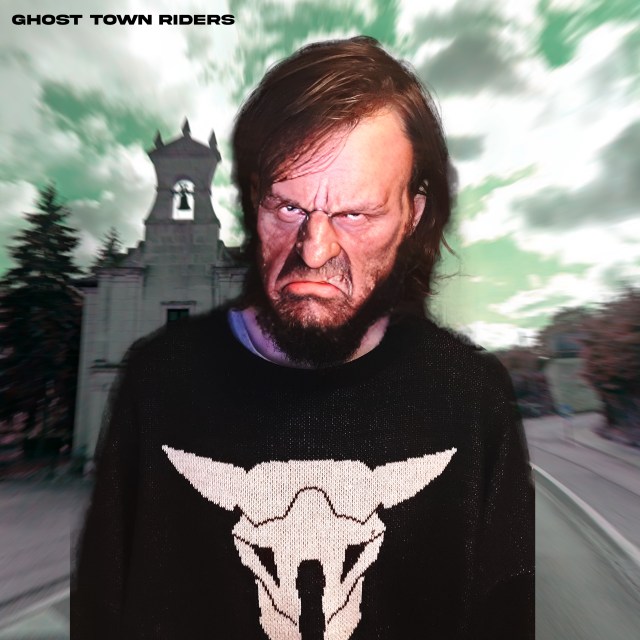
Perro del Kaos – Album Review: “Ghost Town Riders”

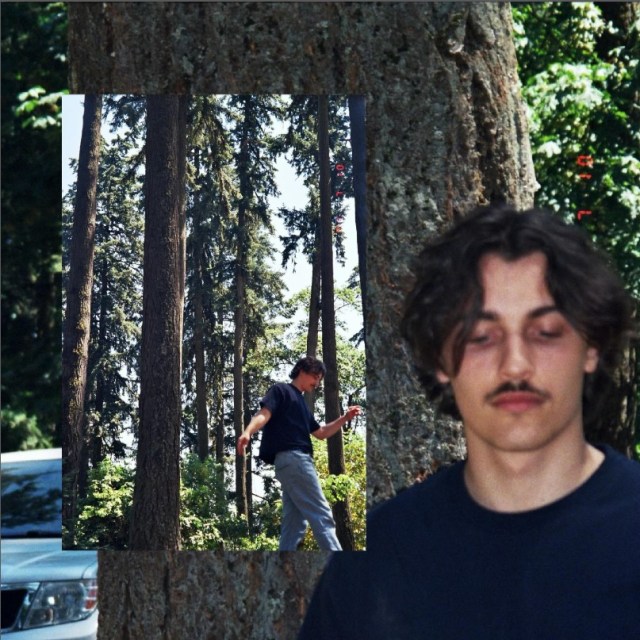
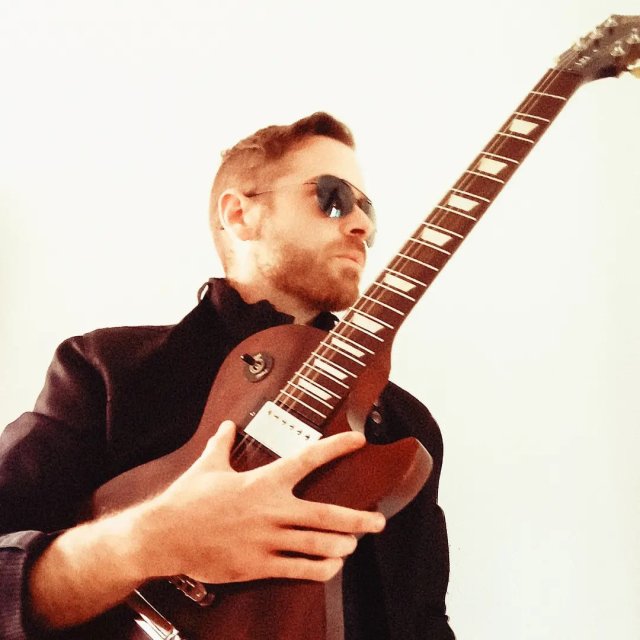
One of the most imaginative, creative and intelligent artists I’ve come across in my nearly ten years of writing about music for this blog is Kristian Møller-Munar, a singer-songwriter, composer and animation artist of Danish and Spanish heritage. Born in Copenhagen, Denmark, but raised primarily on the Mediterranean island of Palma De Mallorca until the age of 12, when he moved with his family back to Copenhagen, Kristian had the good fortune to experience two rich cultures, which I think imbues him with a perspective and worldliness beyond his years. He later moved to London to attend university, but when the Covid pandamic hit, he left London and split his time between Copenhagen and Mallorca. For the past few years, he’s been living in Spain.

I first learned about Kristian in 2017 when he was based in London and a member of alternative indie pop/rock band From the Cave. I featured them and their delightfully eclectic music several times on my blog between November 2017 and April 2019, shortly after which they split up, much to my chagrin. Fortunately, he’s continued to record music as a solo artist, and over the past six years has released an astonishing eight albums, all of them ambitious works featuring anywhere from 10 to 23 tracks in a variety of genres, but primarily sung in Spanish. Exactly four years ago today, I reviewed his magnificent fourth album Caldo, an exquisite and loving tribute to his Spanish heritage, specifically, his mother’s homeland of Mallorca. That album contains an impressive 18 tracks.

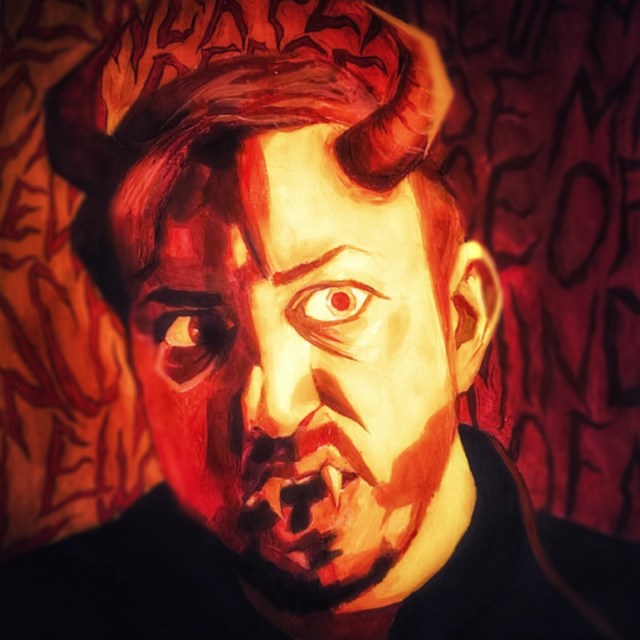
Kristian’s latest endeavor is his solo music project Perro del Kaos (Spanish for “chaos dog”), under which he’s just released an album Ghost Town Riders. A truly monumental work, the album features a mind-boggling 27 tracks, nine of which run over five minutes in length! I normally dislike reviewing full albums on a good day, so when Kristian reached out to me about possibly reviewing Ghost Town Riders, needless to say I was a bit overwhelmed! My initial gut reaction was “how or where do I even begin to tackle such a massive work as this?” After giving it some thought, I decided to first have Kristian provide a little background about his inspiration for creating the album. Secondly, so as not to make myself crazy or bore my readers, I would only touch on a handful of tracks that are either my favorites or those I feel are important to the album’s overall narrative.
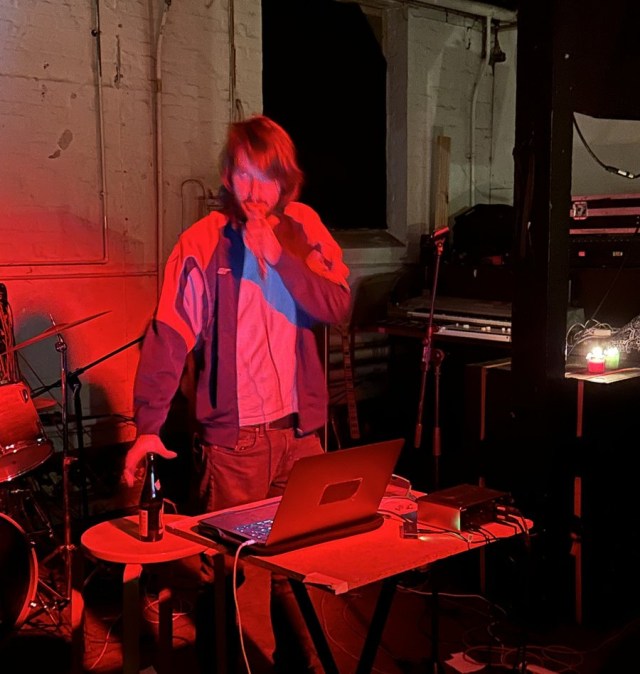
Here’s some of what Kristian provided about how Ghost Town Riders came to be: “Musically the album has been crucially influenced by an amazing group of collaborators I’ve had the pleasure of working with and alongside during 2024. I want to give a special mention to my friends Jo Hedegaard, Ekin Torner and Dilan Bohorquez, a group of kick-ass artists. Back in March 2024, Jo invited me to come alongside his self-funded punk-tour across Spain and Portugal to promote his film ‘The Great Grand Greatness Awards’. We travelled together for two weeks and I had the pleasure of listening to his awesome CD collection in the car. For hours every day we listened to records on the road, and in my opinion a car is one of the best places to listen to music. I think that experience instilled the idea of doing a “road trip friendly” album, something with a blend of rock and roll, blues, folk and music from the 60’s and 70’s.

In between the drives we spontaneously began doing some experimental film recordings on my phone, where Jo improvised a fictional alter ego character named “Palmer”. These raw recordings became the starting point for the punk/western “Peacehammer On The Flower Road”. As a side resuIt, I decided to launch myself completely into a new song project, with a key track (“Ghost Town Riders”) having its breakthrough moment on Ekin’s kitchen table. We were both drinking coffee and listening to random musical samples that I was putting together. The idea was to do a sort of unusual collage of sounds. A heavy metal riff, a bit of jazz double bass, some trap inspired beats, etc. A few hours later the same day I recorded the lead vocals in my bedroom. By the time the vocals were done I felt certain that this was something special. Particularly the lyrics “we sang the night away”, referencing my memory of many enjoyable nights with Jo at Copenhagen’s late night bodegas.

The following 10 days I wrote intensely from the bedroom in San Sebastian. Quickly songs like “Better Days”, ”Gold Fever” and “Poison” appeared. I remember doing the improvised vocal take on “Better Days” and shortly afterwards thinking, this might be one of the best songs I’ve ever written, but simultaneously feeling a bit careful of spoiling the magic. As the Christmas holiday closed in – I had to travel back to Mallorca to spend time with my family – I felt irritated because it seemed like this trip could potentially mess with the flow of the creative process. For the first time in a long time I felt like I might have a shot of completing a new album of songs. At one point, shortly after Christmas day, I had to accept the situation and the constant family plans, and almost mentally “let the album go”.

But then something unusual happened. One night I had a strange dream. I dreamt that I was suspended in the air surrounded by an intense white light. In the dream I received a sort of instruction or message that told me something like: “Don’t worry about the songs, your creativity, your ability or your inspiration. There is an infinite amount of songs that are contained within this light. And all the songs have already been written. They are all waiting here for you to use whenever you need them. They will be here in a day or in 10 years, the time doesn’t matter. You don’t have to struggle to get them. There is only one thing you need to do to access them.

And then the dream followed with a simple but powerful realization: “All you have to do to access these songs is to let go of your skin. The idea of who you think you are.” In the dream it was like my skin fell off. And I felt an incredible amount of peace. The next day when I woke up I felt like all the irritation from the Christmas “interruption” was gone. And I no longer worried whether I was going to be able to channel something creatively. I felt as if everything would always be there waiting for me to be used.

From then on the songwriting picked up pace in an incredible way, and I was pretty much writing a new finished song a day. But most importantly, the process was so much fun. The last week of recording I spent shouting loud choir vocal stacks at my grandparents old village house. Singing “Rocket To Hell”, “Fire”, “Tunnel Lights” and “Canyon Of Dreams” in front of an old fireplace from the early 20th century.

I’m very proud of the album and I look forward to trying these songs live. I really feel they channel some powerful feelings. I’m grateful that I still get to write new music and to have had these powerful experiences. I want to reach out to anyone out there who feels like they are struggling with their artistic practice and I want you to know that you are not alone. I’m sure you will find a way forward and I hope you will find peace and discover your own way. Sometimes things turn out in unexpected ways, we get disappointed and discouraged. But there’s plenty of light out there and I hope that we all get to receive its beauty and power.

I find it fascinating that a guy who grew up in Denmark and Mallorca, with a stint in London, would conceptualize an album with a theme partially set in the American Old West. But after all, Italian filmmaker Sergio Leone directed some of the finest Western films ever, including The Good, the Bad and the Ugly and Once Upon a Time in the West, so who am I to question? Kristian told me the American West concept was inspired by the “Peacehammer” movie universe, but also from listening to a lot of American music as a kid and watching Westerns with his grandparents.

Ghost Town Riders opens with the title track, a strange and sometimes chaotic five and a half-minute long fantasia that sets the overall tone for the album. Kristian’s mix of spoken word, chanted and sung vocals are accompanied by all sorts of sound effects and musical instruments ranging from guitars, horns and organ to gnarly industrial synths and tribal drumbeats. The lyrics cover a lot of ground, with him singing about friendships, familial and romantic relationships as the music and tempo continually change: “I was afraid to leave town, I was afraid to let you down. I thought you loved me before./ I’m not a fan of ghosts, ain’t never been a fan./ I’m sitting in the corner, and minding my own business. I don’t give a damn about any of your business./ Why don’t we call each other once in a while? I know you’ve been worried about the future and all the darkness in the world. But we can find a better way./ We sang the night away, and that’s a beautiful way to spend some time.

One of my favorites is the second track “Gold Fever“, a cool song both musically and lyrically. I love the mysterious synths, twangy guitars, sharp percussion and tribal drums, all set to a hypnotic driving beat. The lyrics speak to man’s inherent greed and eternal quest for the precious metal of gold, which was a long-running theme that played out time and again in the development and exploitation of the American West: “The answer to the goal is always gold. Gold fever is always on your mind. And you cry at night because you’re out of cash./ Gold fever, it’s getting to your head./ We need gold to get more gold./ Such a sexy type metal. It’s heavy metal.” Kristian does a pretty good job singing like an old man with a quirky mix of a Western and Southern accent.

He’s also a handsome guy, but he’s turned himself into a scowling and rather scary-looking old man in his videos.

Poison” opens with the provocative line “All aboard the bullshit train. Next stop, poison, Jersey and killer sharks…” before launching into a The Who-esque flourish that then segues into a deep bass riff reminiscent of “Bad Guy” by Billie Eilish. The song eventually settles into a discordant foot-stomping rocker, highlighted by some terrific Spanish guitar, aggressive percussion and lots of abrasive sound effects.

Better Days” is a poignant and lovely folk rock song that sees Kristian reflecting on his experiences growing up and living in different countries, meeting and making friends and also seeing loved ones pass away: “You know that it’s difficult to grow up. You know it’s difficult to move away from home. But along the trip, we made some beautiful memories. I know you’re worried on your own. It’s been a long time since we hanged out. And these busy times they get to my nerves. Makes me sad to see people go, to see people die. Tomorrow is a better day.” The beautiful twangy Western-flavored and shimmery guitars make this another of my favorites on the album.

One of the more interesting tracks is the 6:45-minute long “Junkyard Tower“, a dark and at times otherworldly song that would make it a great candidate for sci-fi movie soundtrack. Halfway through, the music transitions from an exotic Eastern-flavored vibe to a hip hop-infused alt-rock song. The lyrics seem to describe someone who’s so totally cynical about life that he’s fully checked out: “I see myself as bad parent to my kids. Abandoning them. I see myself as a selfish person, taking advantage of my friends for my own personal interest. Love is not real. Friendship, I guess you can call it a benefit. Time, my most valuable asset. I’m not going to share it with anyone, but you. Junkyard tower. It’s a beautiful place. It’s the place I know. It’s the place I love./ Getting me out of the goldmine. Getting me out of the tough times. Getting me out of the lockdown.

Another track that especially resonated with me is “Spotify“, a denunciation of the unfair and predatory practicies of the music streaming behemoth. Accompanied by just a solemn piano riff, Kristian laments: “Spotify, doesn’t pay me for my music. It’s been a long time like this, I can’t take it anymore. You might think it’s funny to be a musician living with your parents. And do some hard work on the things no one listens to. And then you don’t get paid. Music doesn’t have any worth./ We can make a change right now. End Spotify somehow.” I’m sure virtially all independent artists and bands would relate to this song.

Fire” is an exilarating, hard-driving track with super grungy riffs, a chugging bassline and lots of distortion. I’m not certain what the song’s about, but I like it, plus the chaotic video’s a trip. Kristian repeats the line “Before the future runs over your head, shake it, shake it“, so one guess is that the lyrics allude to the general chaos of life.

Canyon of Dreams” is a meandering and trippy six and a half-minute long tour de force that nicely showcases Kristian’s wild imagination and knack for incorporating a mind-blowing array of musical styles, textures and sounds into a single track. And on “The Tracks“, he once again employs several change-ups in tempo and vibe to create a compelling soulful song. And for the wonderful video, he uses some older footage from his time in England, including a few images of him and his former From the Cave bandmembers.

Kristian turns sentimental on the mellow, jazzy and poignant piano ballad “Someone New“, his vocals sounding world-weary as he plaintively croons to a former loved one now that their relationship has ended: “It’s just like we traveled through the darkest stars, the dark times. And you cannot keep up with that lack of trust./ It’s just like we belong in this world. And I know that you will find someone new.”

He closes out Ghost Town Riders on an upbeat note with “Dead or Alive“, a rousing, bass-driven romp with a garage rock feel, courtesy of frantic jangly guitars, insistent drums and even a bit of cowbell for good measure. The lyrics speak of a crazy woman who’ll stop at nothing to get what she wants: “She’s completely crazy, she’s out of her mind./ She wants to make out, dead or alive. And you might just as well be surprised. Be surprised. A tequila shot to the head, it’s a bloody mary massacre. You’re bleeding all over the bar. In Spain, there’s pain. Get it, get it, get me out of this place.”

Well, I think I’ve gone on long enough so in closing, all I can say is that Ghost Town Riders is an epic work showcasing Kristian’s vivid imagination, intelligent songwriting and masterful musicianship. I’ve long been impressed by his immense creativity and prodigious output, but he’s taken both to a whole new level here. While this album might not appeal to everyone, there’s no denying the incredible originality and thought that went into this thoroughly unique work. I’m quite fond of Kristian, and it’s been a joy to follow along with him on his musical journey over the past seven-plus years.
NAVE – Album Review: “X”

Hailing from lovely Bournemouth on the southern English coast is NAVE, the solo music project of British singer-songwriter, multi-instrumentalist, composer and producer Nathan Evans. Incorporating a broad array of genres and styles, including alternative rock, electronica, trip-hop, folk, ambient, orchestral and dark wave, the hyper-talented artist creates dramatic, incredibly compelling music that’s often atmospheric and gorgeous, but sometimes also harsh and unsettling. Though he says he generally shies away from listening to a lot of music, as he prefers to “be naive and not heavily influenced by others’ music” in the creation of his own songs, he admits to finding inspiration from the music of his youth by such acts as Radiohead, Nirvana, Queens Of The Stone Age, Muse, BRMC, UNKLE, Deftones, Limp Bizkit, Morcheeba and Moby. And in fact, Nathan formed a band called Deltorers in his teens, which eventually took him to Australia in support of Queens Of The Stone Age.

Nathan’s a deeply thoughtful guy who’s unafraid to tackle issues relating to social justice, mental health and emotional well-being. A truly prolific songwriter, he’s released a staggering amount of music over the past 12 years or so, both as NAVE and as front man of alternative psychedelic rock band Native Tongue. He’s been on a creative tear since 2021, and has released a ton of music, including numerous singles, several EPs and a monumental album God’s Waiting Room, featuring an astounding 31 tracks, in April 2023. (You can read my review here.) And one of his singles “Broken Record”, a hauntingly beautiful song decrying the addictive nature of social media and its negative impacts on our emotional well-being, went all the way to #1 on my Top 30 chart and ranks #14 on my 100 Best Songs of 2022 list.

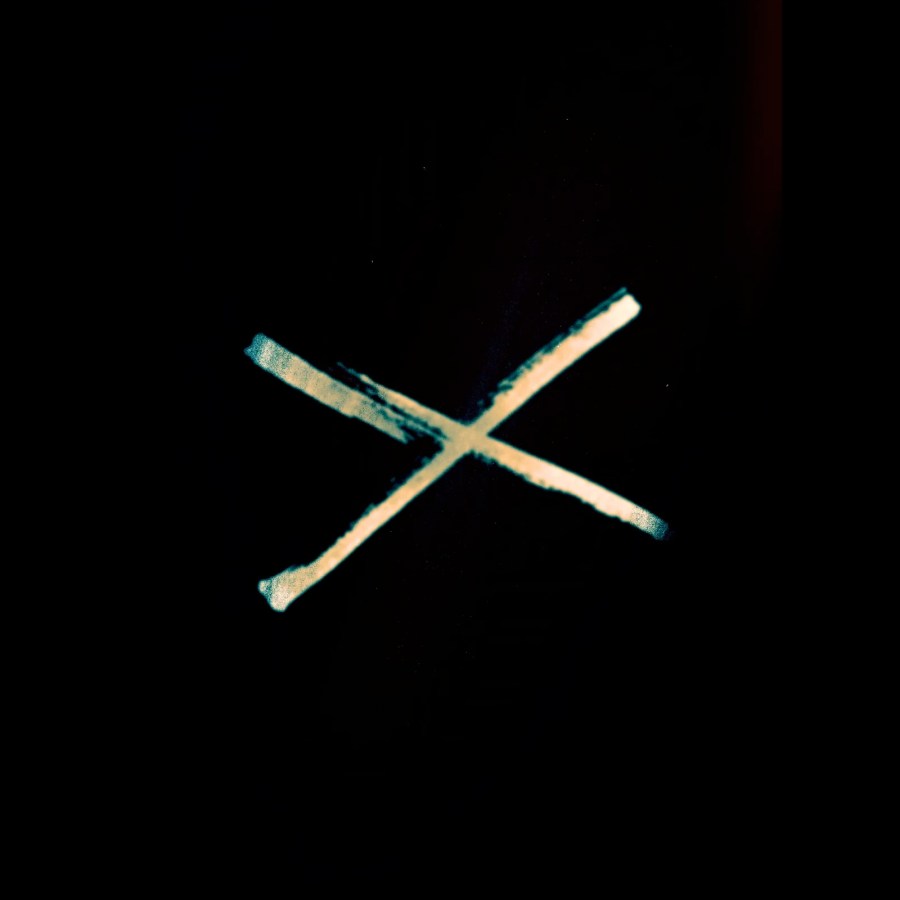
His latest release is a fastinating and dark 10-track album titled simply “X“, which dropped January 31st. I’ll discuss the songs and my take on their meanings later, but in a nutshell, the album tells the story of a girl who suffers from a major life-altering trauma at the age of 14, and how she deals with it going forward. When I asked Nathan about the rather obscure title, he responded “The album has intentionally been made for the listener to find their own meaning. Think of it as when David Lynch is asked what it means, ha ha – he leaves it to the audience to make up their mind. So this album has a little privacy behind it but which I think makes it special, as people will ask so many questions. The title ‘X’ refers to the Roman numeral 10 for 10 songs in the album, and also as a symbol for its open interpretation.”

First and foremost, the songs on X are equal parts melancholy, disturbing and beautiful. The music consists predominantly of pensive acoustic guitar notes, accompanied here and there by haunting atmospheric orchestral synths, gentle piano keys and soft percussion, lending an enchanting texture to the otherwise moody tracks. Another interesting feature is how Nathan sings in both his deeper voice and an ethereal falsetto, which almost gives the impression of having two different vocalists on a few tracks, as well as providing a bit of contrasting tension.

The album opens with “The Tide”, in which NAVE introduces us to a young girl who is harmed, possibly raped by someone she’d trusted: “Innocence and wonder were the lights that she stood under. When she turned 14 the world wasn’t what it seemed. Predatory eyes, devils in disguise. Cartoons had not prepared her for the pain that god declared her. To clip an angel’s wings, and tie them up strings./There’s nothing left to say, only bide your time and wait.”

On “The Ashes”, she’s taken somewhere where she’ll be safe, but the effects of her trauma continue to haunt her, with her possibly resorting to cutting or burning herself to try and deal with her emotional pain: “Her stomach grows sick, her wings were clipped, and slowly her blood had drained. She felt so weak, wiping the ashes stuck to tears on her cheek./Emotional wreck, digging her nails in the back of her neck.”

One of the most disturbing but sonically beautiful tracks is “The Scars”, which continues to explore her coping mechanisms, this time focusing on her dreams of exacting revenge on those who hurt and/or failed to protect her, and erecting walls to keep her safe from predators: “She would awake from nightmares with tears in her eyes. Dreams of torture, her family burned alive. Plagued by corruption by her own broken mind. What kind of asshole rips an angel’s wing? She built a castle to stop them getting in.

Just past the halfway mark of X we’re hit with quite a surprise on the haunting track “The Apology”, in which NAVE reveals that the young girl and her story were fabricated in order to make the listener take notice and connect with him and his music. The lyrics are incredibly poignant, and probably accurately reflect the sentiments of more than a few musicians and authors: “We’re over halfway and I’m sorry to say I fed you all a lie. The girl never existed. I had to stop writer’s block, so I made her up. Can you forgive me? I’m sorry to disappoint, emotionally exploit. I’m just playing the game so you would remember my name. I know it’s kind of pathetic. I hope you still think I’m poetic. Please forgive me for lying through my teeth. I’m trying to make you feel something that is real. I must connect to gain all of your respect. To stop me from feeling worthless and give me some kind of purpose.”

Then, on track eight “The Moment”, he returns to the girl who’d been victimized, indicating that she is in fact real after all. “The moment she couldn’t speak of. The moment she was afraid. The moment no one listened to a word she had to say. The moment she was a victim as an innocent young girl. This world makes me angry. It’s no joke, that’s a real person in pain. What’s the matter with you, that’s a real person, broken and bruised…screaming for help.”

On “The Strangest Secret”, it appears that the passage of time has allowed the girl to heal somewhat and take back control of her own life: “That little girl has discovered a secret. Now she gets to keep it all for herself. Silence growing, her life is glowing. Attracting nature to her, power runs right through her. Knowledge now she knows she’s reaping what she sows.”

On the stunning closing track “The Lost and the Found”, NAVE sings to the young woman who’s now become his muse, joyous in the fact they’ve found each other and in the process, rescued themselves from their demons and emotional traumas”: “I wanna freeze time, and stay here forever now I’ve found you, I wrote us these songs to heal our wounds and free us at last. You are my muse. You are my lost and found./ Time goes so fast, I’m grateful for every second I have that passes me by.

It’s a beautiful, heartwarming and comforting end to both the story being told and the album itself. And once again, I’ve been blown away by NAVE’s artistry, creative imagination and soul-baring honesty.

Here’s the album on Bandcamp:

​And on YouTube:

For more information, check out NAVE’s Website  

His Socials: Facebook / X / Instagram

Find his music on Spotify / Apple Music / Bandcamp / YouTube / Soundcloud

RONNIE THE BEAR – Album Review: “BASEMENTS”

Ronnie the Bear is the solo music project of Joshua Rukas, a strikingly handsome, silky-voiced singer/songwriter originally from Grand Rapids, Michigan and now based in Orlando, Florida. A talented and versatile musician, he was previously drummer for punk/emo rock band MUSCLEMAN, as well as a former member of alt-rock band Dancing On Pluto, whose music I reviewed a couple times prior to their splitting up in August 2018. I also reviewed a couple of his songs back in 2020 and 2021, both of which I really liked, but he later took them down because he felt they didn’t fit his vision for who he wanted to be as an artist.

He’s just released his debut album BASEMENTS, featuring seven tracks he wrote and recorded in his basement apartment in Eugene, Oregon, where he lived for two years between Grand Rapids and Orlando. Joshua played or programmed all the instruments and recorded, mixed and mastered the album by himself. I’ve always liked both his sound and warm vocals, so listening to this little album is a real treat for me. The album opens with “i thought you’d change your mind“, a short but sweet song of apology to a former loved one. I like the lively skittering beats, sparkling synths and his smooth vocals.

Keeping with a similar theme, “2 months” speaks to missing a former romantic partner who’s moved on. The song’s infectiously catchy and exhilarating, with a frantic driving beat and a vibrant mix of jangly and gnarly guitars. Ronnie the Bear’s plaintive echoed vocals are sung at an almost shouting level, perfectly conveying feelings of exasperation and sadness over his unhappy situation.

Maybe, Eventually” is an exciting track with more great jangly guitar work, accompanied by some interesting percussive textures. I like the urgent guitar-driven groove and how it slows down halfway through the song, allowing the guitar notes to really shine. His vocals are calmer and more introspective here as he wishes the best to a former romantic partner, while still feeling a bit melancholy about the loss of the relationship: “From what I can see, you look like you’re happy and that helps me cope a little bit, cause I don’t want to see you lonely. I wish we could be close.”

Squarely in the middle of the album is the delightful little instrumental piece “Tangerine (interlude)“, an energetic and pretty track featuring spacey synths and skittering beats. This is followed by the title track
Basements“, a terrific electronic song with dreamy otherworldly synths, spirited beats and some lovely piano.

Spring 24” is an enchanting track, with drawn-out gauzy synths, sparkling piano keys and lots of crashing cymbals. As always, his soothing vocals are very pleasing to the ear. The final track “Changes” is really pretty too, and I especially like the chiming guitars and dreamy flute-like synths. Ronnie the Bear’s smooth vocals are very low key as he ponders about how our perspectives on life evolve over time: “I’ve spent so much time waiting for things to change. But every time I look back, nothing is the same as before.”

BASEMENTS is a wonderful little album, serving up nineteen and a half minutes of sonic bliss. It’s bedroom pop at its finest.

Ronnie the Bear’s Socials: Instagram 

Find his music on SpotifyApple MusicBandcampYouTube

SILENT MASS – Single Review: “The Great Chaos”

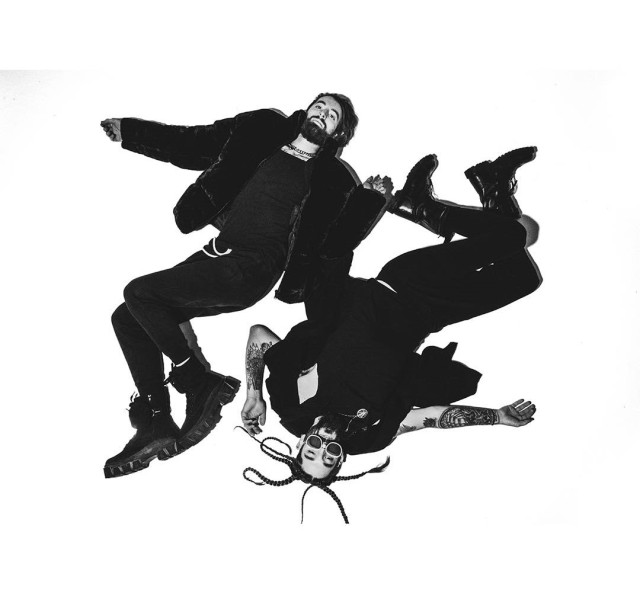
Today I’m pleased to present Silent Mass, an ethereal goth band based in Brooklyn, New York. Silent Mass originally began as a solo act in Los Angeles by singer-songwriter, multi-instrumentalist and music photographer Ammo Bankoff. Her debut single “Total Recall”, a cover of the song by English 80s post-punk band The Sound, was released in 2020 by L.A.-based record label Dune Altar as part of the charity compilation album Do You Feel That Way Too? A Tribute to Adrian Borland & The Sound (Adrian Borland, the frontman of The Sound who suffered from schizoaffective disorder and severe depression, committed suicide in 1999). Shortly afterward, Bankoff teamed up with audio engineer and guitarist Robert Duncan, and the two of them relocated to New York, where they were soon joined by drummer and producer Alex Posell, turning Silent Mass into a three-piece band.

Their music is a captivating blend of post-punk, ethereal wave, shoegaze, goth and 90s alternative, influenced by such acts as The Cranberries, Chelsea Wolfe, Cranes, Beach House, Cocteau Twins, Dead Can Dance and Enya. They liken their sound to “chilling in a misty vale, listening to Enya, sipping red wine, while a raven in the distance caws your name.” After listening to their songs, I say that sounds about right!

They released their debut single “Rose + Crown” in June 2021, which they followed that December with “A Cold War City”. After a two-year lull, they started releasing singles again this past March, beginning with “Land of Heart’s Desire”, followed a month later with “Nest of Flowers”. Today they drop “The Great Chaos“, the third and title track from their forthcoming debut album The Great Chaos, due for release on June 20th, which also happens to be the Summer Solstice.

Written by Bankoff, the track was mixed by Robert Duncan IV at Mourning Sun Records and mastered by Allene Norton. About “The Great Chaos”, Bankoff states it “finds beauty in the spiral of self-discovery. It’s a love song about mourning a version of your past self.” Musically, the song is moody and dark yet strangely beautiful, with haunting and lush orchestral synths overlain by an arresting combination of gorgeous chiming and shimmery guitar notes, accompanied by enchanting tribal drumbeats that add wonderful texture to the track. Bankoff’s ethereal droning vocals accentuate the track’s overall mysterious vibe as she ponders “Can you find a way out? Can you find a way out of this nightmare?” It’s a marvelous song.

And here’s the album on Bandcamp, with all five of the singles released thus far available for streaming:

Silent Mass’s Socials: FacebookX (Twitter)Instagram

Find their music on BandcampSpotifyApple MusicSoundcloudYouTube

MISSIO – Interview & Album Review: “I AM CINCO”

This is a very long post, so grab your favorite adult beverage, get comfortable and enjoy!

As a blogger who writes primarily about current music, I’ve had the pleasure of getting to know quite a few musicians and bands, at least online. Needless to say, it’s especially gratifying when a more widely-known act acknowledges me by liking or commenting on some of my social media posts, or even going so far as to follow me! One that ranks pretty high is Austin, Texas-based MISSIO, who’ve been one of my favorite acts for more than six years.

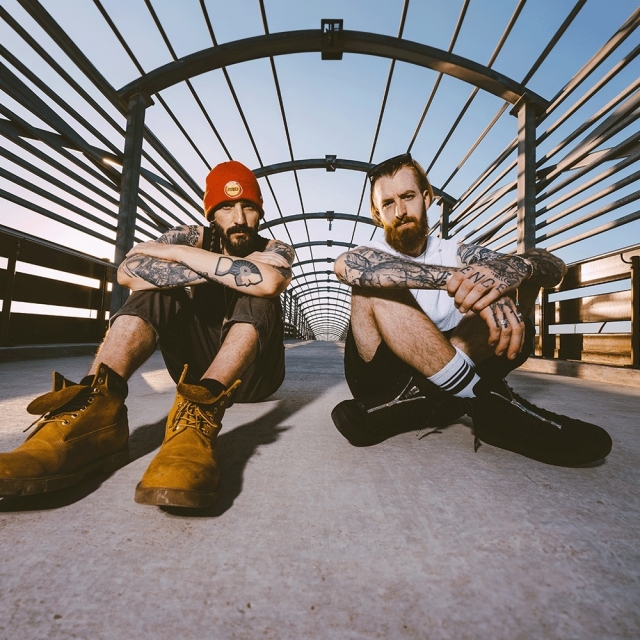
The exceptionally talented and absurdly creative duo consists of singer-songwriter, musician and producer Matthew Brue and songwriter/producer and musician David Butler, as well as their silent third partner, producer and frequent collaborator Dwight Baker and their drummer Jaydon Bean. Not only do I love their great songwriting, uniquely original and edgy sound that’s an eclectic mash-up of gritty alternative electronic rock, hip hop and dreamy emo vibes, and Matthew’s distinctive tenor vocals, I also have mad respect for them. Exuding a genuine coolness, yet unafraid to share their anxieties and vulnerabilities in their music and social media posts, they’ve earned a legion of loyal fans they’ve affectionately dubbed the ‘MISSIO Mafia’ (of which I proudly consider myself a member),

Photo of David Butler and Matthew Brue by Ima Leupp

Starting with their brilliant debut album Loner in 2017, MISSIO has consistently released an exceptional catalog of music,. They followed with three more studio albums, the magnificent The Darker the Weather // The Better the Man in 2019 (my review of that album has garnered over 3,300 views, making it my most-viewed album review ever), Can You Feel The Sun in 2020and VILLAIN in September 2022 (which I also reviewed), as well as numerous singles and “Skeleton” EPs, consisting of stripped-down versions of some of their songs. In 2020, they also dropped a gorgeous soundtrack album for their film Love Me Whole. Several of their songs have charted on my Weekly Top 30, four of which – “I See You”, “Underground”, “Can You Feel the Sun” and “Time”– have reached #1. 

In February 2023, they began releasing a series of EPs and singles that would continue over the next 14 months for what would ultimately become their fifth studio album I Am Cinco, a monumental work consisting of 26 songs that dropped May 3rd. The album is divided into five EPs or chapters, each containing between four and six tracks focusing on a different human emotion: I Am Sad, I Am High, I Am Awesome, I Am Angry and I Am Crazy.  

To gain a bit more insight into the album and their creative approach, I had the pleasure and honor of interviewing Matthew and David via Zoom. Idiot that I am, I neglected to hit the ‘record’ button at the beginning of our conversation, so have no record of what we talked about for the first five minutes or so, which was essentially about how they met and began working together as MISSIO. Nevertheless, there’s still plenty of discussion.

EML: One of the things I really love about your music, and I think you do it better than almost any act I know of, is how you draw from so many different genres and styles of music to create your own sound. You have beautiful, heartbreaking songs like “Time” and “I See You”, which you know I love, to raucous, hard-driving songs like “Fuck It”, and everything in between. No two songs of yours ever sound the same, which I think is awesome. What are some of the bands or artists you guys loved growing up or love now, who influence your sound?

David: It’s interesting, because so much of it has to do with a couple of random things that just are who we are. First of all, I don’t think either of us identify as, like, “I’m a guitar player, or I’m a bass player, or I’m anything other than a songwriter”. We still like to rock, and both grew up on very heavy music, and for me a lot more punk rock. We both loved Korn growing up, though I grew up idolizing older stuff like Led Zeppelin, which is the reason I started bands to write songs.

Matthew: To me, it’s a yin and yang, where David brings a lot of the technical side of the older music that I didn’t really listen to. I’ve always been more into the exploratory side of what’s next or what’s coming, and I think the meshing of the two comes together in a really cool way where we bring old school and new school, and create this thing in the middle. Bands like Korn, System of a Down, Missy Elliott, Gorillaz, Cage the Elephant… we listen to so many different things, and I don’t think we’ve ever gone ‘hey, let’s try and write this type of song that sounds like this type of band’.  I think it’s more us not being afraid to fail.

David: Unless you’re pretty sophisticated musically, you probably wouldn’t get that Matthew comes from classical music; he grew up in choirs from an early age, and is an incredibly gifted classical piano player. And so you hear voicings and harmonies in the chord progressions you don’t typically hear in rock music, because there’s a level of sophistication that Matthew has in his ear that’s pretty incredible. And then you combine that with me, who likes to fuck shit up – and he does too – and I think that’s what he likes about me. So I bring this punk rock spirit to the engineering; I hate electronic music that sounds like it was made with a lab coat on. This does not move me as a human, so I’m trying to distort, to move it off the grid, to make it human.

Matthew: I’ll be honest, it doesn’t work for everybody, which is the cool thing. Our fans who get it, fucking get it. And that’s what I love, as we have die-hard fans who love what we do. But we will frequently hear, ‘dude, I don’t know what the fuck you guys are doing over there’.

EML: What you were just describing is perfectly encapsulated in your song “Underground”, which I love so much. It’s got such hard driving beats and synths, and yet there are moments of incredible beauty, especially in the way your voice rises and falls. It’s just a fantastic song. That contrast that makes for such an exciting song. Same thing with “New Gold” from Gorillaz, Tame Impala and Bootie Brown. What a great mix of artists; you’ve got the rapping, a beautiful melody…

Matthew: I wish more artists knew this, but you can do anything you want in this day and age, but I think people are afraid of failing. Just try some shit and see what happens.

EML: You’ve touched on how you guys collaborate, but do you generally collaborate on all of your songs, or in some cases one of you come up with a concept or a melody or beat, and go from there?

David: It varies quite a bit. We both will start ideas on our own, then come together and do a show and tell. There will be a group of songs where we’re both, ‘that’s cool, this is the best of this bunch’, then we’ll finish them together. We sort of fall into roles we’re comfortable with; Matthew will take a bunch of the lyric and melody writing that’s left, because he’s the singer and that’s also one of his incredible gifts. I’m doing a lot of the arrangement and piecing of songs together. Matthew being the keyboard player that he is, is seated in front of the midi controller, and I am either controlling the synth or pulling up sounds, and he’s finding things as the sound is changing. There’s also a third process where we start from scratch, with either just us or us and a third person or even fourth person, and those are always wild and fun, because you never know what’s gonna come of it.

Matthew: And actually a fourth. A lot of times, I may pull up the bass and play some part that’s super non-sensical and that works, or sometimes David will hop on the keys and play some part that maybe I wouldn’t play, and that’s cool. Sometimes we’ll both get on the drums and do some weird shit. There’s a really fun element of that too, where you never know who’s gonna play what.

EML: I would guess that not sticking to certain defined roles gives you more artistic freedom to try new stuff.

Matthew: There’s a reason why I chose to be an artist and musician, and it was to get away from the monotony of corporate bullshit. What the fuck are we doing if we’re not having a good time? And part of having a good time is getting weird and exploring and being a fucking artist and getting messy with it.

EML: That’s a great segue into your latest work ‘I Am Cinco’. I think it’s brilliant how you guys have approached it, and decided to release it in chapters or installments. Partly because it’s so monumental, and rather than just wait until releasing a 26-track album, you’re giving your fans snippets every few weeks or months, which whets our appetite and keeps us drawn in for what’s coming next. It’s an interesting concept how you’ve also chosen to focus on different human emotions in each chapter. You’ve guys have always been very open about your interest in emotional well-being, and have shared your own frustrations and issues, and also your artistic honesty and how that plays into your music. What actually inspired you to create this work?

David: Part of art for me, is there’s an inspiration, and in the process something comes out and it’s like ‘whoa’, and I assign some meaning to it. The inspiration for this was, eight to ten songs in, recorded toward this unknown fifth album that we’d done randomly over time, plus 20-30 demos that we had piled up, we wondered ‘what are we going to do with this fifth album?’ There began to be a natural grouping, where it was like, ‘hey, these songs feel like they go together.’ I would say that was the inspiration moment, where we thought, what if we do five EPs, each with its own specific emotional theme and genre? We’re going to showcase one of the things that we love and are proud of with this band, that we’re prolific songwriters. We wanted to do a major fifth album that’s a statement.

Matthew: One of our collective gifts is doing the business side as well, and in this day and age, it’s incredibly important as artists to be involved. We want our music to be heard, and what is the strategy behind this?  If you’re a MISSIO fan, and you really want to be on this journey,  what would you want to see, hear, feel? And to your point Jeff, rather than waiting to drop some giant album, we also realized that attention spans now are so short, and it’s really hard to get someone to sit down for almost two hours and listen to this whole thing. So let’s do an EP, EP, EP, and drop some singles to give it to people in chunks, because we want every song to be heard.

David: Music is therapy. I want the world to rediscover the power of music, and not just by listening to MISSIO songs, but music in general. We’ve minimized its role in our lives to just a playlist in the background while you’re doing the dishes. That’s why we broke this up. This is also a medicinal thing that you can say, ‘I can connect in this emotional state and address some emotional shit’, with music as your friend. That’s what I’ve been doing since I was an angsty teenager.

EML: That’s what I think makes people relate to your music so deeply, and why your fans are so loyal and fervent in their love for you guys, because your music really does touch us. I have a question about the whole nature of needing to be so present on social media, and how exhausting and frustrating that must be, as it’s a necessary evil. I’ve heard a lot of artists that I follow complain about how much time they must spend on social media, when they’d rather be creating music. What are your thoughts about this and how do you keep it from driving yourselves crazy?

Matthew: There are two schools of thought about this. One is, it’s the best time to be alive in regards to getting your music heard, because you can share it with anybody in one click of a button. Which is different from the 80s and 90s where you had these gatekeepers who ran a few magazines or MTV, and it was virtually impossible to get your music heard.  But now the overwhelming thing I hear is that there’s too much, so it’s hard to actually poke through. But I’d rather be on this side where you at least have a chance. But also, people need to learn self-discipline, and if you start to notice that social media is having an effect on your mental health, have the discipline to put it down for a second. Your fans will be OK if you don’t post for a week. I’d rather focus on the art and music itself and make sure it’s the best it can be, and post however and whenever we can, and take care of our mental health and have a good time.

David: You need to basically have a plan and be able to live with the results. I find beauty in that. We’re not going to win at this because we’re great influencers. That’s not our gift, our gifts are in music, in songwriting and performance. Social media is an agreement we have to make and have to use. Matthew and I are both willing to be vulnerable and share as much as we can about our personal lives that help to point people back to the music. My goals are never gonna be ‘we got to do our Instagram to this number or nothing’.

Matthew: We even had somebody comment the other day ‘Do you even care about what your fans have to say, comments-wise?’ The harsh reality is ‘no’. We hardly read the comments, and I’m honestly learning to tune some of that shit out. We do what we do, we love what we love, we’re gonna write music because we love it.

David: It inspires me greatly seeing so many people resonating positively with our music. It encourages me as an artist who got into the business for the reason I was on the other side of that. I am still many times the fan in the crowd that gets blown away. Frankly, all the bands I like would be saying the same shit we’re saying. You can’t create from a space of wanting to be a Walmart band, the most generic version that you could sell to the most people with the least amount of jagged edges. That’s just not fun for us.

EML: Your first two albums ‘Loner’ and ‘The Darker the Weather // The Better the Man’ were released through RCA, but then you left. Are you now you’re independently releasing your music?

David: We did the third album on BMG, then released independently, and now recently, we’re on a label named Nettwerk for this album. We’re always learning more about the business, and ultimately, we’ve taken back massive creative control. With RCA we had creative control, but it was hard to accomplish the business goals through their machine. There’s so many layers, nothing happens fast, and we’re DIY, entrepreneurial spirits. We don’t like having guys telling us what to do. So far so good with Nettwerk, and we’re really enjoying working with them.

EML:  That’s pretty much all I had, and don’t want to take too much more of your time. I really appreciate you guys talking with me, and it’s an honor again to interface with you and talk about stuff. I do plan to review the album when it comes out.

MatthewThanks so much man. I know for a fact that you’re one of the people that will sit down front to back and listen to ‘I Am Cinco’, which is awesome. I’m really excited to hear what you have to say; you’re always an elegant writer.

OK, let’s get to I Am Cinco, shall we! Given the album’s enormous number of tracks, I won’t be discussing them all, but will touch on all five distinct EPs that comprise I Am Cinco, highlighting my favorite songs from each one. The EPs are arranged chronologically in the order they were released beginning with I Am Sad, which was released on Valentines Day 2023 and features six tracks exploring various aspects of anxiety, sadness and depression. When they dropped the EP, they remarked on Facebook “If you’re a little extra lonely because Valentine’s Day is a hard day for you, then this E.P. is for you. If you’re struggling, depressed, experiencing loss, or honestly feeling fucking nothing at all, this E.P. is also for you. It’s helped us personally heal by being able to write out some of our own sad feelings & we hope those same feelings resonate with y’all.”

The first track, “I’m Sad and I Can’t Speak“, encapsulates this overall theme of how when you’re in the throes of depression, you feel nothing but emptiness and desolation, emotions I’ve experienced myself, unfortunately. The song is melancholy, yet strangely beautiful, with unsettling woozy synths accompanied by some lovely piano keys. Matthew’s vocals sound especially vulnerable and fragile as he somberly laments “I’m sad and I can’t speak. I’m scared and I can’t think. When I can’t speak I write out the things that mean a lot to me. At times I feel nothing.”

Though I love all six tracks on I Am Sad, I think my favorite is “Read Your Mind“, another hauntingly beautiful, downtempo song that’s also incredibly melodic. Here, the lyrics are directed toward another person who’s hurting: “I don’t need to read your mind now, I can see the pain in your eyes.” The surreal video, which has a pretty spooky vibe, was directed by Matthew and filmed in his house and edited by the band’s frequent photographer Ima Leupp of Seamless Loop Productions. They used six cakes in the production of the video, which they smashed into their faces to symbolize the foolish or irrational behavior people sometimes engage in to draw attention to their pain. The guys were cleaning cake residue out of their beards, hair and ears for days.

The saddest song of this group is “What Can You Say“, which was inspired by the suicides of both a friend of David’s and a friend of Dwight’s, who left a wife and two children behind. Matthew was overwhelmed with sadness that someone could feel so despondent and hopeless, they would take their own life and leave loved ones behind, expressed in these heart-wrenching lyrics: “What can you say to a man willing to throw his life away? What can you say when you can’t always come to save the day?” The acoustic guitars and piano are particularly beautiful, and Matthew’s vocals are steeped in sadness.

Well, I wasn’t going to talk about every track, but damn, they’re all so good I can’t help myself. “Ring Ting” is a cool trip hop song calling out those who become slaves to material possessions and money in an attempt to fulfill their definitions of success, losing their humanity in the process. The sixth track of this series, “Monsters (Inside of Us)“, is positively gorgeous, with a soaring orchestral soundscape forming a dramatic backdrop for Matthew’s plaintive vocals as he sings “You’re not a monster. I’m not a monster. But we have monsters inside of us.”

Opening the second chapter of EPs, a collection of six feel-good songs grouped under the appropriately-titled I Am High, is the delightfully celebratory “Good Vibrations“, which I reviewed last summer. With its powerful synth bass groove, heavy, pulsating beats and colorful spacey synths, it’s is one of my favorites of the entire album. Though Matthew had some initial misgivings about releasing “Good Vibrations”, given that it shares the same title as the iconic Beach Boys song, he thought that with all the bullshit and negativity bombarding us, we could use a little more love and positivity. The song spent several months on my Top 30 chart, peaking at #3. For the wonderful music video, they gathered a few skater friends together and shot the video at a skate park in San Marcos, Texas. The video features Matthew and David, along with skaters Kat Frances, Mason Lapena and Abel Rodriguez.

MISSIO let their freak flag fly high and proud on “Big Stacks“, a collaboration with British rapper Jelani Blackman. The song is a celebration of the joys of stoner culture, as well as an assessment of the challenges of living the good life and getting high: “Big stacks and big racks. If you got that shit you better light it up. It’s 4:20 and we ‘bout to take a puff. Wait, I think I’m out of options. I gotta’ solve this. Guess I gotta work hard, try to get these options.” With it’s heavy trip hop beats and rapping vocals, the song sounds about as different as could be from the songs on I Am Sad. The guys had a lot of fun making the trippy and hilarious video, and consider it their favorite of all the ones they’ve made.

Other standouts in this chapter are the mellow love song “Easy“, the Latin-flavored hip-hop romp “Thang Thang“, featuring L.A.-based artist DEADFOOT, and the lovely and mesmerizing “I’m Coming Home“.

The third chapter of songs, grouped under I Am Awesome, explore self-affirmation and healing from past traumas and abuse. Case in point is “Not My Fault“, an anthemic pop-rock song calling out someone who’s belittled and disrespected you: “I don’t like how you took my heart, and you burned it down on a funeral pyre. Where the ashes rise from the darkest days, this is not my fault. No it’s not my fault it’s you.” On the exuberant “Heart Made of Dynamite“, Matthew sings of breaking free from another’s control and negativity, and not keep your feelings bottled up inside: “I’m like a body with a heart made of dynamite. Won’t be long until it explodes.” And on the delightfully upbeat “Making Me Nervous“, he tells his love interest of the spellbinding effects she has on him.

My favorite track of this group is “Say Goodbye to the Old Me“, thanks to it’s wonderful melody, dramatic instrumentation and uplifting vibes. The lyrics speak to letting go of negative energy and stress that keep holding you back, and embracing a healthier, more positive outlook: “Say goodbye to the old me. The future is too bright. Just say goodbye, this time I’m gonna’ get it right.” The beautiful video, featuring dancers Kornelia Klys, Julia Trelka, and Agata Weirzcholowska, was filmed in Gdansk, Poland.

Next up are the I Am Angry songs, of which there are five. And as their titles would suggest, these are some of the heaviest, most aggressive songs on the album. “Fuck It” is a perfect song for when you just want to break some shit and sound off on an asshole who’s stepped on your very last nerve. MISSIO definitely tap into their darker side on this one, with a barrage of tortured industrial synths and pummeling trap beats, overlain with wailing sirens and grinding bass. Matthew sounds downright menacing as he snarls “You’re a fuckin’ problem, did you know? I don’t think you do. I think I can solve it, did you know? You don’t get to choose.” The video, filmed in black and white, is pretty dark too, and YouTube is making us do a bit of extra work to watch it.

The best track of this bunch, to my ears at least, is “Aztec Death Whistle“. The song hits hard in all my dark side feels, both sonically and lyrically, as I love that savage chugging beat, those gnarly instrumentals and Matthew’s dangerously seductive vocals as he rails about the reasons why his soul is so dark: “Cast out by sixteen when I was just looking for home. I felt fucked & abandoned. Gave up by twenty and thought God had saved my dark soul. Stop fuckin’ with my head.” Bordering on metal, the song has a bit of a Nine Inch Nails vibe, but sounds distinctly MISSIO.

This World Is Better When It’s Sick” is a fine example of how MISSIO expertly mixes up different styles and sound textures in a song. The track is brutally aggressive and spooky for much of its three and a half minute run time, except for beautiful piano interlude lasting 20 seconds in the bridge that makes for a dramatic aural constrast. The fifth track “Go Fuck Yourself” is the ultimate kiss-off song to someone who’s treated you badly and spread lies about you. Against a harsh backdrop of grinding industrial synths and ominous vibes, Matthew’s vocals are dripping with venom as he practically spits the lyrics “You’re talking shit. Can’t let it go. You gotta’ know I can hear your filth. Can you hear your filth? Go fuck yourself. I’ll be fine.”

The fifth and final chapter is I Am Crazy, featuring four tracks touching on various aspects of mental health, more specifically, trying to keep one’s sanity amidst all the surrounding craziness. The punkish “Fall into a Blackhole” is a denunciation of someone who’s been gaslighting you, wishing they’d disappear by falling into a blackhole, while “Pulled Down Low” seems to describe a dysfunctional and toxic relationship: “You might be crazy, I know you are. That look you’re given’ me is sure bizarre. You stab with knives, I stab with my words. You’re so damn beautiful it fucking hurts.

The Higher You Climb” sort of continues on the theme introduced earlier by “Ring Ting”, namely that achieving the success and acclaim you crave may come with serious downsides you hadn’t anticipated: “They say on top is where you find the freedom that you’re looking for. The higher you climb the farther you fall. They say, you got what it takes but you gotta throw your friends away. They say, if you want to be rich then you gotta learn to play the game.” The aggressive stomping beat and blaring synths make for an exhilarating listen, and the video’s great as well.

Closing out the album is “Time“, my favorite track on I Am Cinco. With its achingly beautiful arrangement and Matthew’s powerful, heartfelt vocals, “Time” now ranks among my very favorite MISSIO songs, and currently sits at the top of my Weekly Top 30 chart. The simple but profound lyrics touch on anxieties the guys have experienced over some of the issues facing our current world and society. They explain: “We spend our lives chasing things in our futures that don’t even exist in reality yet. We all want to think and believe that everything we desire will eventually come to fruition, but sometimes it never does. Time goes wherever you are, now, in each moment. Live like it’s your last because you’re not guaranteed a tomorrow. No one is.” It’s a perfect and fitting end to a monumental, flawlessly crafted and supremely impactful tour de force.

Here’s the album on Spotify:

In June, MISSIO will embark on a nine-city European tour:

Follow MISSIO:  Facebook / Twitter / InstagramTikTok
Find their music on  Spotify / Soundcloud / Apple Music / YouTube / Amazon

JOE PEACOCK – EP Review: “Beast Mode”

Joe Peacock is a British singer-songwriter and musician who was born and raised in rural Herefordshire and now based in Birmingham, England. Describing himself as “a genre-hopping storyteller, whose music has been compared to Bowie, Blur and Costello”, he cheekily adds “all money from the digital sales of my music go into paying producers/mixing & mastering engineers.” Not only is he a hard-working and talented songwriter and musician who’s not afraid to continually experiment and push himself beyond his comfort zone, but also a thoughtful family man who cares deeply about the environment, social justice and inequality.

Mr. Peacock rediscovered his creative spark during the Covid lockdowns, and began writing and recording songs at home, handling all aspects of performance and recording. The prolific artist has released a tremendous amount of music in over the past three years, including three albums – I’m Only Here, in April 2021, Before the robots told us where to go, in December 2021, and Mirror Neuron Generator, in July 2022 – as well as numerous singles and four EPs, one of which, The curse of the mind, I reviewed last August. In addition, he’s also one half of art-folk duo The Missed Trees, his side project with singer/fiddle player Louisa Davies-Foley, who released their three-track EP Animals last April. Now he returns with his fifth EP Beast Mode, featuring six fascinating animal-themed tracks based on real events. He hosted a listening party for the EP yesterday, in which he provided lots of insight behind each track.

The EP kicks off with “Pass the puffer“, a song inspired by an episode of the BBC program Spy in the Wild, which detailed how dolphins swimming round a puffer fish can become blissed out from small doses of the lethal toxins emitted by the fish. He was prompted to do a bit of research on dolphins and created a song not intended to be political or animal rights based, but simply a cheeky observation of the dolphins’ strange behaviour. “One bite can paralyze and kill a human, but dolphins get a buzz off the neurotoxin. Are they purposely experimenting, then going off to look at their reflection? Pass the puffer before the seas get rougher.” I love the edgy cinematic synths, grungy psychedelic guitars and pulsating synth-bass, and the chirpy dolphin sounds early in the song are wonderful. Peacock’s vocals remind me of Damon Albarn, frontman of British bands Blur and Gorillaz.

Fed to the tigers” tells the story of Marius, a two-year-old giraffe born and raised at Copenhagen Zoo. Though healthy, he was genetically unsuitable for future captive breeding because his genes were over-represented in the captive population, so the zoo authorities decided to euthanize him on February 9, 2014, after which his body was dissected and necropsied in a public educational class, then fed to the zoo’s lions and tigers. Peacock notes “They didn’t want to sell him to some private collector or a circus so decided the most humane thing was to kill him and feed him to the tigers. I don’t make a judgement, just think it’s a dilemma that’s worth thinking about.”

His lyrics are both bitterly direct and heartbreaking: “Perfectly healthy (and utterly adorable). The zoo said it had no choice, but to kill poor Marius. Shot through the head, he died instantly. He will take up space for more genetically valuable giraffes. He is of no use to us and he costs us money. We can’t exceed our carrying capacity. Overpopulation is a problem you know.” The dark, spacey synths and heavy guitar tremolo lends a strong, disconcerting undercurrent to the track.

On “Cyborg (Broken Animal)“, Peacock explores the idea of using technology to control or even alter humans and animals. He elaborates further: “There’s a philosophical element to it in terms of how we should feel about experimenting with impulses going straight to the brain to control movements and things, plus a bit of a fear of what if it goes wrong and robot-insect armies start attacking us!” He sings “I’m picking up a signal, picking up a signal. My brain is now wired differently. I didn’t pop a pill or flick a switch, but I am tuning in now. See the cyborgs all around, the offspring of necessity. Our motherboards are so corrupted, we are all breaking down.” Musically, the song has a quirky but pleasant sci-fi vibe, with lots of glitchy synths and a gnarly guitar solo layered over a bouncy, repetitive dance beat.

One of the six tracks is a remix of “Cyborg” by the EP’s producer Chris Marney, titled the “Cyborg (Cyber Madness Remix)”. Marney removes Peacock’s guitar solo and fortifies those glitchy sci-fi synths with added sheen, also expanding the track by one minute and ten seconds. Peacock’s vocals have also been put through a vocoder, enhancing the overall spacey vibe. I can’t pick one over the other, as I really like both versions.

Sweet Kiss of Death” was inspired by a true story about a young Irish horse trainer and jockey named Frank Hayes who died of a heart attack while riding a horse named Sweet Kiss in a race at Belmont Park in New York in 1923. Hayes died in the latter part of the race, but his body remained in the saddle when Sweet Kiss crossed the finish line. Peacock wrote the poignant lyrics from the point of view of the horse, who was nicknamed Sweet Kiss of Death for the rest of her life. (Wikipedia) “I don’t know why your heart failed, but you’d been under pressure to lose weight. You strove and sweated, denied yourself water. Was it all too much? You never complained. Laid to rest in your racing silks, you were ready to ride again. When the reaper paid a visit, I felt your dead weight before we crossed the line. They called me the sweet kiss of death, but I carried you home.” The song opens with a what sounds like a melancholy electronic oboe, which is soon joined by what Peacock calls a weird talking bass sound he used to keep the song from sounding too overly reggae. Despite the rather dour subject matter, the song still has a lighthearted feel.

The final track “Radioactive Hybrid Terror Pigs (24 remix)” is a reimagining of a song he originally released as a stand-alone single in October 2022. Peacock says “It was the first song Chris mixed for me, so I thought I’d bring it back. It was fast and punky all the way through before, so I slowed down the verses and chopped up the guitar line, adding a few synth elements, too.” The song was inspired by a story he read about how wild boars moved into contaminated land in Hiroshima, Japan after World War II. They didn’t appear to have suffered any ill effects from the radiation, and eventually inter-bred with domesticated pigs that had been left behind in the desperate aftermath of the disaster.

Peacock added “The title’s a little bit sensationalist, but when I read it, I just thought that has to be a song! Thematically it fits perfectly with this EP.” The remix verses are sung in a skittering, almost dubstep groove with gnarly guitars, accompanied by sounds of blaring sirens as he sings “A nuclear disaster took all the humans away. Down from the mountains the boars made a foray into the dangers of the big exclusion zone. Almost indestructible, this place became their home.” The music then ramps up to a furious galloping pace in the choruses as he plaintively asks “What can we do now they’ve moved in? Radioactive hybrid terror pigs. Fierce and wild, but domesticated, too.” It’s an entertaining take on a somewhat creepy subject.

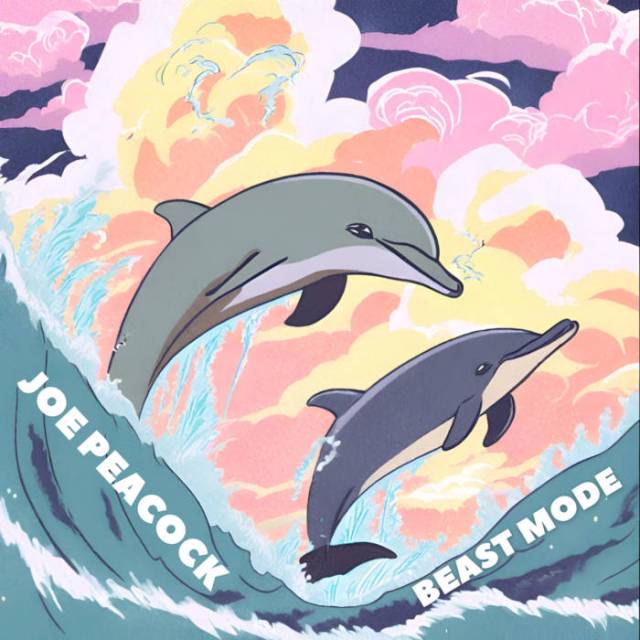
Though Beast Mode might not be everyone’s cup of tea, I think it’s pretty brilliant, and another fine example of Joe Peacock’s impressive imagination, songwriting and musicianship. He also created the lovely cover art for the EP using AI.

Follow Joe:  Facebook / X (Twitter) / Instagram

Find his music on Bandcamp / Spotify / Apple Music / YouTube / Soundcloud

JOHN SERRANO – Single(s) Review: “Oh, well” & “Better Times”

John Serrano is a talented and versatile singer-songwriter and multi-instrumentalist from Málaga, in the autonomous community of Andalucía in southern Spain. Drawing from alternative and progressive rock, blues, electronica, synthwave and jazz influences, the genre-bending artist has created an extensive, colorful and eclectic catalog of music. From what I can tell, he’s been writing and recording songs for nearly 10 years but became more serious about his music in 2021, and in the years since, has produced and released an impressive amount of it, both as a solo artist and in collaboration with other musicians. On the strength of his outstanding music, wholehearted support for other artists, and active networking with others on social media, he’s earned quite a loyal following over the past year or so.

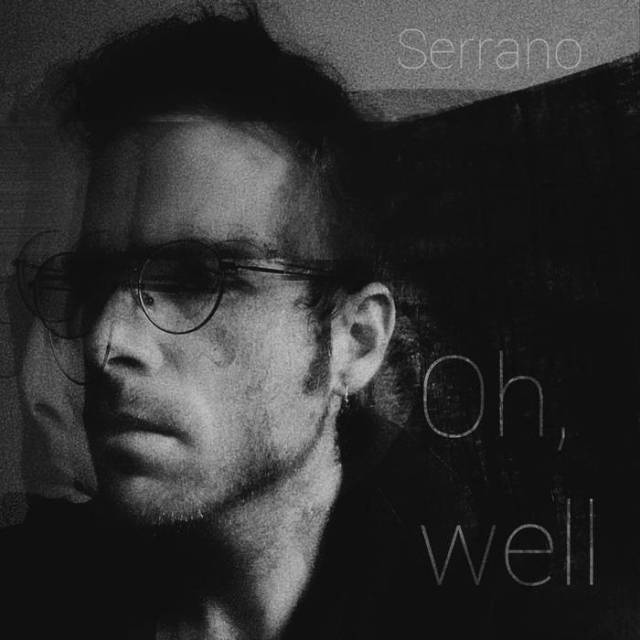
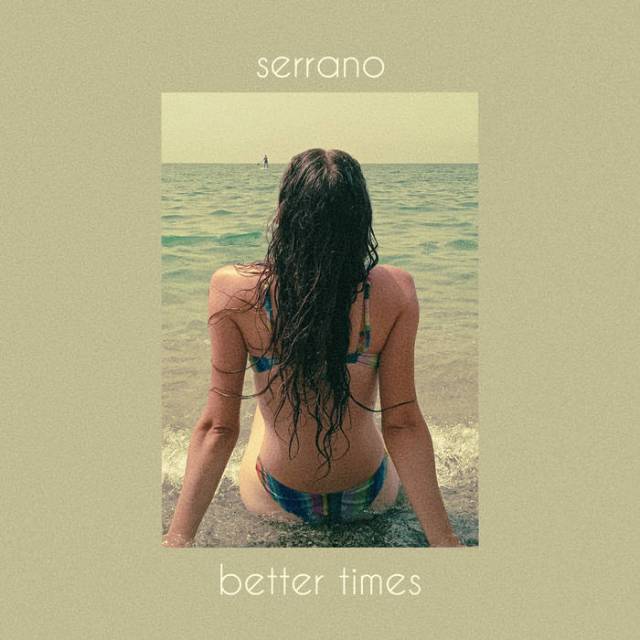
Proof of Serrano’s prodigious music output was on display this week, as he released two beautiful new singles back-to-back. Shortly after I’d decided to write about his song “Oh, well“, which he released on March 13th, he went and dropped another new single “Better Times” the next day, along with the following explanation: “Y’all made me feel so good about ‘Oh, well’ yesterday, I felt like locking myself up in the studio for ten hours again. This is what came up. Thanks for listening, and thank you for your support, YOU make this possible.” Naturally, I have no choice but to write about them both!

“Oh, well” is a loving tribute to his grandmother María Dolores Pozo Gerónimo, who passed away on March 10th at the age of 92. Serrano called her his angel, now gone but not forgotten. In his contemplative lyrics, he ponders his life without her warm and reassuring presence: “Oh, well, what am I supposed to do without you? Oh, well, what am I supposed to do now you’re gone? I can’t help but wonder. Oh, well. We’re all bones in the end, but you left so much love here. Oh, well.

The song is a departure from his more typical dynamic synth-fueled sound, with a languid, singer-songwriter vibe more akin to songs by the likes of Chris Isaak. The spare music, all of which was played by Serrano, features layered strummed guitars, accompanied by sparkling piano keys and a haunting harmonica, all of which create a melancholy but lovely backdrop for his warm, heartfelt vocals.

Serrano stays in his more introspective mood with “Better Times”, a darkly beautiful song of apology and regret he dedicates to ‘Isabel’. The song has a jazzy adult-contemporary feel, highlighted by a melancholy piano accompanied by strummed guitar notes and gentle bass. He has a gorgeous emotive singing voice, which sounds better than ever here. He effortlessly transitions from moments of gentle, almost whispery croons to impassioned, soaring wails and back again as he laments of his sorrow and pain: “How can I say how I sorry I am for leaving you alone? For being myself./ And it’s been a minute. It’s been a while since the last time, and I feel like drinking to better times. Yes I feel like drinking to better times. But those better times are gone.

In addition to making great music, Serrano is also an accomplished writer and visual artist who’s created marvelous cover art for many of his releases. Seems like a kind of Renaissance man to me!

Follow John:  FacebookX (Twitter)Instagram

Find his music on BandcampSpotifyApple MusicYouTube 

SHIPS HAVE SAILED – Single Review: “Find My Way”

A long-time favorite music act of mine is Los Angeles-based duo Ships Have Sailed. Comprised of singer-songwriter and musician Will Carpenter and drummer Art Andranikyan, together they play an incredibly pleasing style of alternative pop-rock featuring beautiful melodies, intelligent, uplifting lyrics, outstanding arrangements and instrumentation, and sublime vocals. They’ve released a lot of music since 2013, including three albums, three EPs and many singles. I’ve loved all their music and have written about them numerous times on this blog over the past five years. (You can read some of those reviews by clicking on the ‘Related’ links at the end of this post.) Several of their songs have appeared on my Weekly Top 30 chart, with two of them – “Escape” in 2019 and “Breathe” in 2021, going all the way to #1.

Photo of Will and Art by Gentle Giant Digital

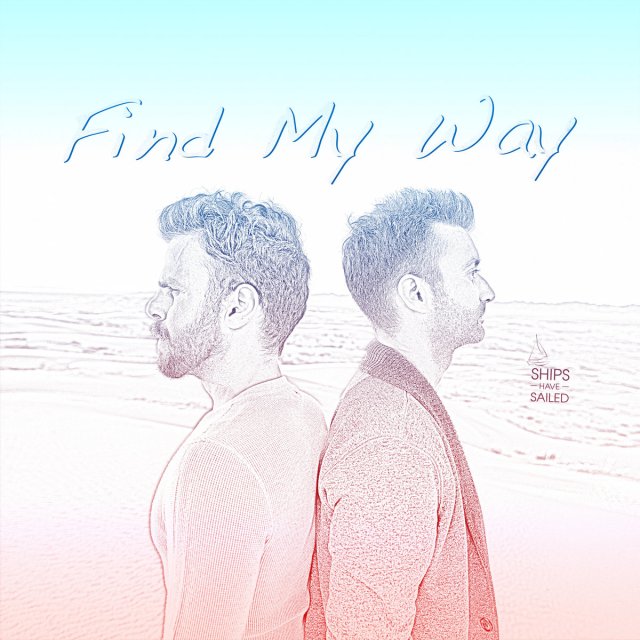
On January 21st, the guys dropped their latest single “Find My Way“, a beautiful, heartwarming song written at the request of an English woman they’d met some time ago while on tour in the U.K., and who wanted help telling her personal story of an epic trip she took across America with her now-deceased husband. Will elaborates on the song and its creation: “‘Find My Way’ is a story of profound love, profound loss, and the journey of finding yourself again. Despite that, this song isn’t a sad one – it’s a note of gratitude for the moments we do have and the memories that are created from our time here on earth, the people we get to know while we’re here and the relationships that grow more and more special with every moment. This song is dedicated to our dear friend who we met on tour a few years ago in the U.K., and to her late husband who we never had the chance to meet. Two soul mates whose love was palpable, they dreamed of taking a once-in-a-lifetime road trip across the U.S. and finally did after years of planning. But shortly after they returned, he passed away unexpectedly. This song is our tribute to them and to holding your loved ones close.”

The song was written by Will, who co-produced it with Dan Sadin, mixed by Fernando Reyes and mastered by John Greenham. It’s really lovely, with a buoyant, toe-tapping groove overlain with layers of slightly twangy strummed guitars and a gentle, galloping beat that lend the song more of a folk vibe than a lot of their music. The soothing background synths and clicking percussion sounds add interesting texture to the proceedings, making for a richer and more complex overall sound, and the wonderful soaring choruses call to mind some of the great songs by OneRepublic.

As always, Will’s arresting vocals are beautiful, conveying both strength of conviction and a heartfelt vulnerability as he sings the poignant lyrics: “Memories of trips we’ve taken, all the things we’ve seen. Thousands of the miles we traveled, chasing down our dreams. Thought the road was never ending, we’d have the rest of time. Reached the end without a warning, I guess we missed the sign.”

The sweet video features moments from Will and Art’s own stories, captured by photographer Andrei Duman, as well as personal photos provided by their friends to whom the song is dedicated. The visual treatments and typography were created by Jody Talmadge.

Follow Ships Have Sailed: Facebook / Twitter / Instagram
Find their music on Bandcamp / Spotify / Soundcloud / Apple MusicYouTube / PandoraAmazon

LEWCA – Album Review: “Boombap For Boomers”

As I wrote last October when I reviewed his brilliant album Friday Night Rockstar (which you can read here), singer-songwriter-musician Lewca is one of the funniest, most creative and irreverent artists I’ve come across, with a deliciously bawdy sense of humour. As he cheekily states in his bio, “Lewca was born in a squat in Brixton, by age nineteen he was living in a squat in Paris, go figure. After studying fine art and dabbling in film, he started making music just before he was too old to die young. His influences range from cheap beer to expensive rum, and also The Clash, The Streets, Sleaford Mods, LCD Soundsystem, Bob Dylan, Eminem, Tom Waits…whoever is making decent music. He currently lives in Normandy, has three kids, a mortgage, and a semi-domesticated hedgehog named ‘Sonic’.

To reiterate, he’s been making music for years, and after being in a few bands “that fell apart for the usual reasons”, he decided to embark on his own music project as Lewca in 2018. Although he collaborates with lots of different musicians on his projects, his main partner in crime is S.O.A.P. (shorthand for Son of A Pitch), a Parisian composer, producer, drum & bass DJ and beatmaker he met at a gig in 2013. Their partnership grew from a shared love of wonky beats, British soundscapes and a healthy dose of humour, along with an “expectation of absolute world domination and unfathomable wealth, obviously”. Together, they make exciting, zany and eclectic music drawing from a multitude of genres ranging from alternative rock, post-punk and indie pop to hip hop, drum and bass and nu disco.

Now the dynamic duo are back with another uproarious new album Boombap for Boomers, and I’m here for it! Though Lewca is far too young to be a Boomer (the generation I sit squarely in the middle of) and is most likely at the tail end of Generation X, he perfectly articulates the puzzled bewilderment of a middle-aged working stiff and parent coming to terms with the fact he’s not young anymore. As for the word “boombap”, a quick Wikipedia search revealed it to be a subgenre of hip hop that’s “an onomatopoeia representing the sounds used for the bass (kick) drum and snare drum, respectively.” The style was apparently prominent on the East Coast of the U.S. during the golden age of hip hop from the late 1980s to the early 1990s.

Lewca says Boombap for Boomers, the second album to come from the basement sessions with S.O.A.P., “is as laid back as ‘Friday Night Rockstar” was angst ridden“, adding that it’s “about time passing, personal doubts and demons, abuse and dreams that will never come true.” All the lyrics were written by Lewca and the music composed by S.O.A.P., who also mixed the tracks. Mastering was done by Blanka. Besides Lewca and S.O.A.P., additional vocals and/or instrumentals on the album were performed by the artists MC Burnoot (of Scottish band Fire Up The Sun), Mick Swagger, Jamaican dancehall artist Elephant Man, Faya Braz, OrangeG, John Michie, Ian Williamson, Christelle Canot, Cody and Dylan Forsyth, and Luis.

The album kicks off with blaring bagpipes and the voice of Scottish artist MC Burnoot trashing the album right from the get-go on the 32-second long “Fire Up the Intro“: “What the fuck is this? I’ve just finished listening to the new record by Lewca and let me tell ya, it’s pure dogshit. ‘Boombap for Boomers’, what in the fuck is that?” Next up is “Peace of Mind“, a delightful tune about facing yourself after having sold your soul to the Devil to get what you thought you wanted: “Does the Devil now have my number, or have I always been in hell? All I ever wanted, was peace of mind. Bought a brand new soul, with a piece of mine. All those Sunday mornings, behind locked doors. I had all I needed, but I wanted more.” I love the slow, honky tonk piano riff, carnival-like synths and quirky childlike background vocals and sound effects that give the song its zany feel.

Single art by Anoosh from Fivr

Even more delightful is “Roundabout“, where Lewca reminisces about lazy summers spent with friends during his teen years: “Sitting in the middle of a roundabout, smoking weed and wonderin’ what life’s about. Spend a whole summer hanging out, pretending we were free. And I guess we were somehow.” As the song progresses, he sings of how that comaraderie is recaptured when they meet up again as adults with kids of their own, knowing those kids will end up behaving just the same, also viewing him as “a geezer who’s out of touch“. Once again, Lewca and S.O.A.P. employ all sorts of quirky instruments and goofy sound effects to create a lighthearted and playful vibe.

On “I Got it All“, he questions whether material possessions really make us successful, acknowledging with his usual cheeky humour that he’s already satisfied with what he’s got: “Got a beautiful wife that can hardly stand me. We got a nice house, yeah we got a nice family. Car that starts every once in a while. Different colored doors really give it a style./ I don’t need shit, mate. King of the world, mate. I got it all!” Listening to Lewca sing, I can’t help but compare his deep, heavily accented vocals to those of Mick Jagger. Conversely, the jazzy hip hop track “Day Job” sees him lamenting about the difficulties of making it in the music industry: “The game’s fucked up, and with the money I make in music, I’ll be giving it up” Guest vocalist Mick Swagger raps in agreement “I guess we do it for the love / Money’s a disease and I’m tryin’ to catch it / Fingers crossed, but ain’t we quittin’ day jobs yet.

Quite Like Me” has Lewca and S.O.A.P. teaming up with Jamaican dancehall (a style of reggae known as ragga or dub) legend Elephant Man, who Lewca said they “managed to get by basically cold calling him drunk.” Apparently written as a vehicle for the dream collaboration, the song celebrates the joys of being a totally unique artist with a style like no one else. With call and response lyrics, Elephant man ponders “Why you do what we do?”, to which Lewca replies “There’s nobody quite like me.”

On the madcap drum and bass gem “All Grown Up“, Lewca decries the soul-killing responsibilities of adulthood and how desperately he wants to avoid it: “We’re all grown up, and it fucking sucks! Oh no, I don’t wanna grow. I refuse to be an adult.” Once again, S.O.A.P. draws from his bag of musical tricks to create a playful sense of mayhem with goofy synths, funhouse sound effects, squeaking toys and the child voices of brothers Cody and Dylan Forsyth. All that being said, there are times when Lewca simply must perform his role as an adult in order to get his kids off to school, despite suffering from a hangover, on the wonderful ska song “Monday Morning“.  

One of my favorite songs on he album is the superb title track “Boombap for Boomers“, a celebration of the music Lewca and S.O.A.P. make: “I really got nothing to say, just rappin’ some shit, hope it sounds okay / We ain’t got a lot of talent, but we do what we can / We ain’t in it for the money, we’re just booming boombap.” With its propulsive drum and bass beat, wobbly industrial synths and intense scratching, the song is an exhilarating blast from start to finish.

And speaking of exhilarating, “Discoboy” nicely delivers with a wonderful pulsating house dance groove, exuberant piano keys and a colorful blend of gnarly and swirling synths. Featuring some terrific beatbox by French beatboxer and looper Faya Braz, the song encourages us to lose ourselves on the dancefloor while ignoring the haters and judgemental pricks, and practice a live and let live attitude by embracing others’ differences. Lewca frantically raps “Be who you want in life, fuck who you wanna fuck, goddamn, and fuck them haters / Forget the grind, the world outside, let’s lose our minds again.” 

Featuring a buoyant retro 80s synthpop vibe, “Internet Recovery” opens with those annoying dial up sounds we all suffered through in the early days of the internet. Lewca cleverly uses a computer reboot as a metaphor for reviving his exhausted and frazzled self “I’m running on fumes, mate. It’s like my system is about to shut down / I need to regroup, get my shit together / Best guess is to erase the whole damn disk, format my mind, I might cease to exist.

One of the many things I love about Lewca’s songs are the entertaining and humorous stories he weaves. On the autobiographical “Life, innit?“, he tells of his marriage, and how it went to shit: “I met a girl / We had sex, we fell in love, we had more sex / We got married on a beach / We had kids, we left the city / We got a loan, we bought a house / I did it up, but guess what, she threw me out / Love is funny like that, innit mate.” But later in the song, he confesses that his marriage is in fact pretty good: “Full disclosure, I was just kidding. Me and my wife, we’re okay, we’re still winning. I’m so happy we’re still together. But for this song, getting thrown out just worked better.” With a deep drum and bass house groove, lots of glitchy sounds, and guitar played by British singer-songwriter and musician John Michie, it’s a great track.

The closing track “Daydreaming“, a mellow Americana-tinged ska song featuring charming banjo strumming by Pittsburgh artist OrangeG, continues the autobiographical theme with Lewca confessing some of his shortcomings, which aren’t really so serious at the end of the day: “I played a fool / Made believe that I break the rules / My life is one big bluff, but too much is never enough / Daydreaming, wasting my life away / Nothing’s gonna be okay, and that’s okay with me.” It’s a heartwarming end to a fantastic, massively entertaining and thoroughly enjoyable album.

Boombap for Boomers will also be available in a limited edition Halloween Orange 12-inch Vinyl. For purchases within the UK, Lewca advises pre-ordering through the Wax & Beans website shorturl.at/zFKT9, as the postage will be more affordable.

Connect with Lewca on Facebook / X (Twitter) / Instagram / TikTok

Find his music on BandcampSpotify / Apple Music / Soundcloud / YouTube

LOVEPROOF – EP Review: “Winter’s Children”

Toronto, Canada-based Loveproof is a collaborative music project formed in 2013 by singer-songwriter and guitarist Ciaran Megahey and multi-instrumentalist & producer Brendan McGarvey. The two originally met in high school and formed a short-lived band, but eventually went their own ways. Ciaran is also a member of Canadian indie band The Autumn Stones (whose music I previously featured on this blog in 2016 and 2018).

After reconnecting in 2013, they began writing songs inspired by their shared love of bands like Joy Division, Guided by Voices and My Bloody Valentine, and soon had a collection of dark and fascinating songs on their hands. Describing their sound as “dreamy, dubby doom pop,” the duo named their project Loveproof, in honor of the My Bloody Valentine classic “Loveless.” In December, 2017, they released their debut album Neon Blood, Volume One, which I reviewed the following March. My, how time does fly by! 

The duo then decided to assemble a full band so they could perform their songs in front of live audiences, enlisting Brendan’s brother Chris McGarvey on guitar and Joey Proulx on drums. In January 2020, they released a New Order-esque re-imagining of the Joy Division classic song “Wilderness”. Now they’re back with a new EP Winter’s Children, their first release of new original music in six years.

After listening to the EP, I can state that it was well worth the wait. Combining elements of dream pop, indie rock, and dub with a dark gothic sensibility, Loveproof have crafted four utterly captivating songs. For their recording, Ciaran sang vocals and Brendan played and programmed all instruments. I love Ciaran’s sensuous vocal style that reminds me at times of Bryan Ferry, so it’s a treat hearing him sing again.

The EP opens with “A Song is Not Enough“, a bewitching track that channels the best of Joy Division and Depeche Mode. I love Brendan’s mysterious dreamy synths and sharp percussive notes built over a sensuous pulsating beat, accompanied by Ciaran’s ethereal sultry vocals as he softly croons “A song is not enough to break this spell.

Equally bewitching is “Spires“, a glorious chillwave gem with icy synths layered over a sensuous bass-driven dub groove, and punctuated by emphatic percussive beats. Ciaran’s breathy croons are enchanting as he sings from the perspective of someone grasping for something solid to hold on to amid all the chaos and uncertainty. “In a world full of darkness, you said ‘the truth is coming’, and you howled to the mountains and you tore their lies asunder. With time, with faith, your spires to the heavens shine, and love will light our way.” The beautiful video created for the track features images of Loveproof performing the song interspersed with scenes of Toronto and various animals in their natural settings.

On the enchanting but bittersweet “Even the Stars“, Ciaran softly laments over a lost love: “Come back to me, Scarlet Rose / Everything good dies here, even the stars.” A highlight of this track for me are Brendan’s beautiful chiming guitar notes.

The final track “Young Lords” addresses the political polarization of modern society. Ciaran elaborates: “Not really making any political judgments, but just noticing the religious character of people’s political identities today. The phrase ‘Young Lords’ is actually the name of a far left organization that I believe still exists today. I’m just using it as a metaphor for political militancy/extremism though. I read a book that mentioned them a long time ago and I remember really liking the name, as it sounds really poetic. I don’t really know much about them specifically though. So, I guess I am just lamenting how that polarization seems to have made it difficult for people to see each other’s humanity. It seems to have coarsened public life.” “Young lords colliding. Used to be a mountain, used to be a king, hungry as a lion’s heart. Used to be a master, used to hear you sing, thundering the soul apart. Goodnight my heart, goodnight my love.” I’m sounding like a broken record as I continually use the word ‘sensuous’, but the track’s languid dub groove is overflowing with it, enhanced by Brendan’s lush, moody synths and throbbing bass.

Although its four tracks are decidedly melancholy, with less than happy subject matter, Winter’s Children is nevertheless a stunning and flawlessly-crafted work that makes for an enjoyable listen. If you’re a fan of 80s-inspired darkwave and electro-pop, as well as ethereal sultry vocals, you will like this EP. It’s good to have Loveproof back!


Connect with Loveproof:  FacebookInstagram 

Find their music on BandcampSpotifyApple MusicYouTube