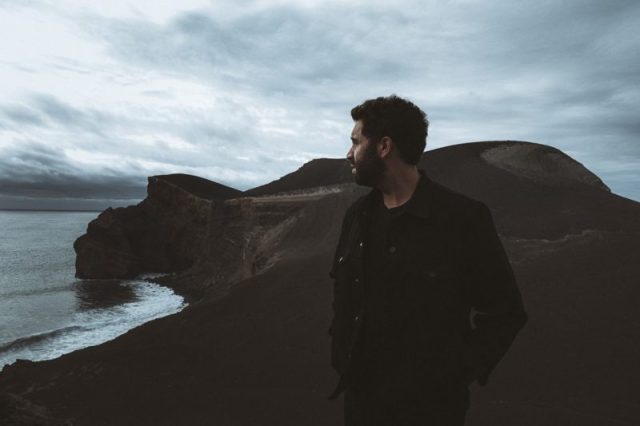
Portuguese singer/songwriter Cristóvam grew up in the Azores islands, surrounded by music and the natural beauty of his home. His grandfather started the second oldest radio station in the Atlantic region, and left behind a massive record collection that captivated him as a child and teen, and influenced him to become a musician. Drawing inspiration from such artists as Bob Dylan, Ray Lamontagne, Bon Iver, Angus & Julia Stone, as well as the beauty of his surroundings, Cristóvam creates incredibly pleasing folk songs steeped in lovely melodies and poetic lyrics, and delivered with beautiful instrumentals and his warm, comforting vocals that sound like he could be from Nashville, Austin, or even Dublin. In fact, he reminds at times of Matt Nathanson.
Cristóvam released his debut album Hopes & Dreams in 2018, which I really enjoyed listening to as I familiarized myself with his music in preparation to write this review. It’s an outstanding collection of songs, and I highly recommend that my readers check it out on your favorite streaming platform. He then followed up earlier this year with the poignant and timely “Andra Tutto Bene”, which spoke to the struggles so many have faced as a result of the pandemic.
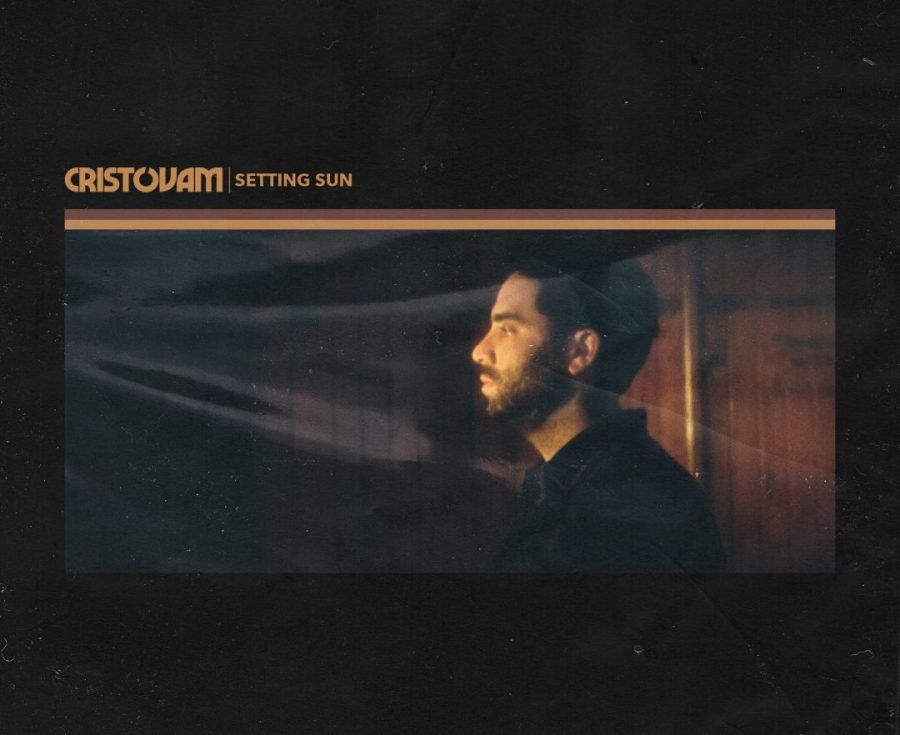
On October 9th, he dropped his latest single “Setting Sun”, a beautiful, uplifting song about two people so deeply in love that together, they can weather any storm that comes their way, or at least forget the troubles of the outside world for a little while: “Our love is like an island floating in the desert blue.” Cristóvam confides, “I started writing it in 2018, when I was on a holiday with my girlfriend in Sardinia, and sort of left it there. But this year, with all that’s happening and the world being such a strange place, somehow those lyrics resonated back with me, and the fact that I felt so lucky to find comfort in my own little corner, far out in the middle of the Atlantic.”
The stunning video was filmed in and around the Capelinhos volcano in the Azores, and beautifully captures the romance and sweeping majesty of the track.
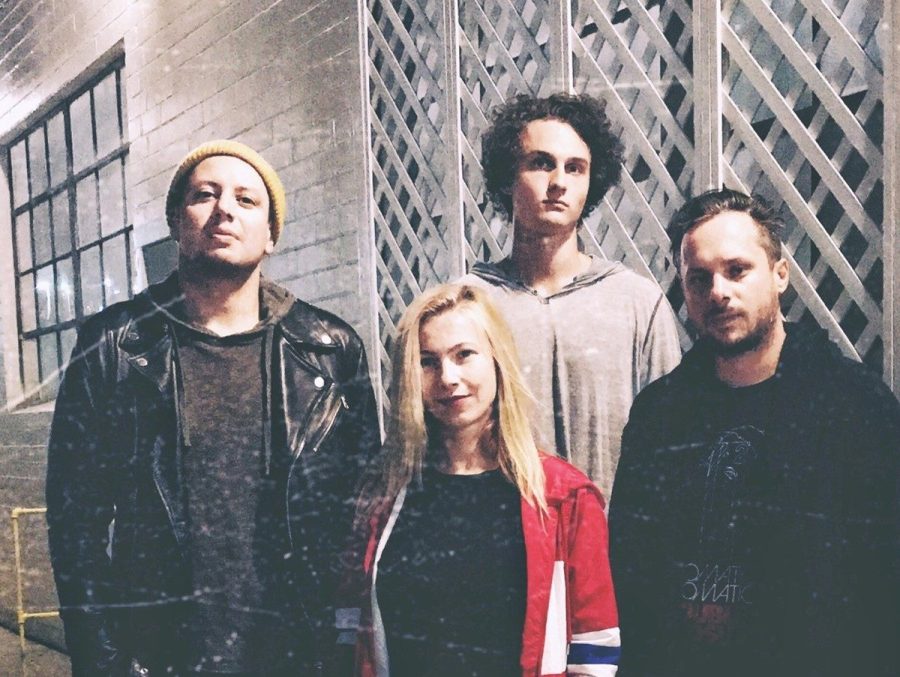
From humble beginnings in France as a folk pop duo making mostly acoustic music, Yard of Blondes have faced some of the same challenges and struggles as many young artists and bands experience since relocating to Los Angeles in 2014. Now a four-piece, they’re finally on an upward trajectory and making a name for themselves with their exciting and edgy style of alternative rock. The band is comprised of the hard-working French-born singer/songwriter and guitarist/vocalist Vincent Walter Jacob and bassist/vocalist Fanny Hulard, guitarist Burak Yerebakan, originally from Turkey, and Northern California native Forrest Mitchell on drums.
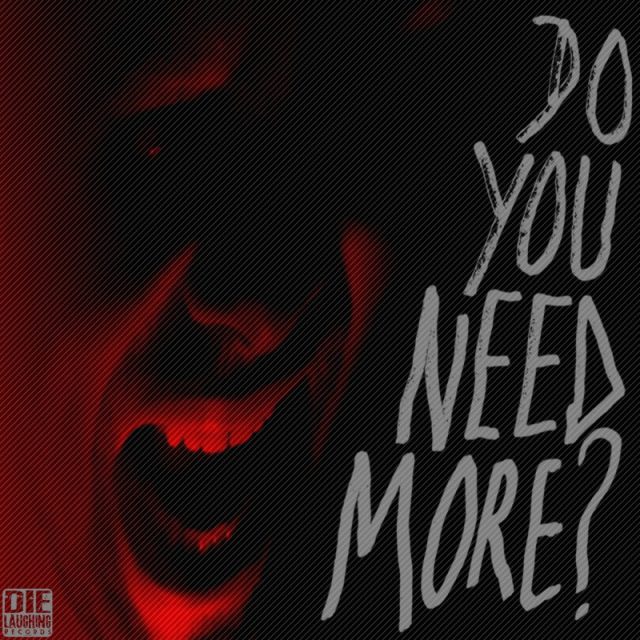
I’ve previously featured Yard of Blondes twice on this blog, first in July 2019 when I reviewed their marvelous bilingual single “Je veux danser tout l’été”, along with two alternative versions, then again this past February when I reviewed their single “Lowland”. (You can read those reviews by clicking on the links under “Related” at the end of this post.) Now they’re back with “Do You Need More?“, the third single from their forthcoming debut album Feed the Moon, due for release early next year. The single and album were produced by Billy Graziadei (Biohazard, Powerflo), mixed by Michael Patterson (Nine Inch Nails, Black Rebel Motorcycle Club) and mastered by Maor Applebaum (Faith No More).
In a recent interview with music blog TrueStyleMusic, Vincent provided some background on “Do You Need More?”: “It was one of the first songs we wrote for our upcoming album, and it’s the song we always play first at our shows. It’s a song that seems very straight forward, but it evolves into a more complicated piece as Fanny is adding more and more layers of vocals, and as we end up breaking the installed routine with some surprisingly heavy bridge. Regarding the lyrics, it’s also a tricky song. It feels like a love song at the beginning, but it’s actually a toxic love story where one gaslights another, and it ends up with kind of a Stockholm syndrome situation.“
The song is a rampaging beast, storming through the gates like a bat out of hell with furious riffs of grimy guitars and a thunderous barrage of explosive rhythms. Fanny’s throbbing bass line propels the song forward while Forrest keeps pace with his pummeling drumbeats. Meanwhile, Vincent and Burak are busy laying to the airwaves with their aggressive, intertwining guitars, delivering chugging riffs of shredded distortion that threaten to blow out the speakers. Vincent and Fanny’s expressive vocals rise to the occasion, becoming downright feral in the chorus as they wail “Do you need more? Do you really need more? Gimme, gimme, gimme some more! I want it all!” Finally, everyone spent, the song fades out in a hum of reverb.
If the three singles released thus far – “You and I & I”, “Lowland” and “Do You Need More?” are any indication, Feed the Moon is guaranteed to be a terrific album.
The song at #75 on my list of 100 Best Songs of the 2010s is “Out of My League” by Los Angeles-based pop/neo soul band Fitz and the Tantrums. Although they’d been making music since 2008, I was not familiar with them until my musical awakening in late summer 2013. One day I discovered the Billboard Alternative Rock chart, and it was a revelation! I saw songs by lots of artists I’d either never heard of, or who I knew about but wasn’t aware they had new music out. One of the songs riding high on the chart at that time was “Out of My League”, and I instantly fell in love with it’s exuberant piano and bass-driven synth pop grooves. The song is so damned electrifying and catchy, and I couldn’t get enough of it. I became a huge Fitz and the Tantrums fan, and bought their CD More Than Just a Dream, which also features their terrific follow-up single “The Walker”. I loved that CD so much I played it nearly to death over the next six months.
Fitz and the Tantrums are headed by front man and lead vocalist Michael Fitzgerald, and includes the lovely Noelle Skaggs on co-lead vocals, James King on sax and flute, Joseph Karnes on bass, Jeremy Ruzumna on keyboards and John Wicks on drums and percussion. A unique aspect of their music is that they have no designated guitarist, but they more than make up for it with a strong rhythm section and generous use of King’s sax (though it’s not prominent on “Out of My League”). Sadly, their two follow up albums have been rather disappointing to me, as well as many of their early fans and music critics. They seem to have abandoned their earlier soulful, groove-based sound in favor of a more pop-oriented style that just sounds generic and predictable. Also, their newer stuff hasn’t utilized Noelle Scaggs’ great vocals nearly enough. I still like them though.
I saw Fitz and the Tantrums in concert in a double bill with Young the Giant (two of whose songs have already been featured on this list) at the Los Angeles Forum in August 2019. They put on a fantastic show.
One of my most beloved albums in my collection is the magnificent Graceland by the legendary singer-songwriter Paul Simon. The iconic masterpiece is generally considered the finest work of his long and illustrious solo career, as well as one of the greatest albums ever recorded. When it came out in August 1986, I was living in the Los Angeles region and, like many who live in that sprawling megalopolis, had a long daily commute. I would record albums or make mixtapes onto cassettes so I could listen to my favorite music on my long drives to and from work. Graceland was one of the best of that time period, and I had it on repeat for many months.
Before digging into the album and songs, a bit of background would be helpful to provide some context for its creation. Following his successful run of hit albums and singles as a solo artist throughout the 1970s, by the early 1980s Simon had hit both a personal and professional slump. His relationship with Art Garfunkel had deteriorated yet again, his 1983 album Hearts and Bones was a commercial disappointment, and his marriage to actress Carrie Fisher had fallen apart. After suffering through a period of depression, in 1984 he became fascinated with a bootleg cassette tape of an album Gumboots: Accordion Jive Hits, Volume II, that had been loaned to him by singer-songwriter Heidi Berg, with whom he’d been working as her producer. In his liner notes for Graceland, Simon described it as “very up, very happy music” that sounded familiar, yet foreign.
The album was by South African band The Boyoyo Boys, and was in a style of music known as Mbaqanga, also informally called “township jive”, the street music of Soweto. Simon was so smitten by the music that he considered buying the rights to his favorite track on the tape, “Gumboots”, and using it to write his own song, as he had years earlier with “El Condor Pasa”. Hilton Rosenthal, a South African record producer who Simon’s label Warner had put him in touch with, suggested instead that he record an album of South African music. Rosenthal sent him dozens of records by South African artists, which Simon immersed himself in. He began improvising his own melodies and decided he wanted to go to South Africa to record with some of the musicians whose albums he enjoyed. The problem was, at that time the United Nations had imposed a cultural boycott of South Africa due to its policy of apartheid. This forced “all states to prevent all cultural, academic, sporting and other exchanges” with South Africa and ordered “writers, artists, musicians and other personalities” to boycott it.
Despite this restriction, Simon was determined to go to South Africa, and told The New York Times: “I knew I would be criticized if I went, even though I wasn’t going to record for the government … or to perform for segregated audiences. I was following my musical instincts in wanting to work with people whose music I greatly admired.” Prior to leaving for Johannesburg, Simon participated in the recording of “We Are the World”, the charity single benefiting African famine relief. He spoke to producers Quincy Jones and Harry Belafonte about his wanting to record in South Africa, and though they had some reservations, both encouraged him to do it. The South African black musicians’ union also voted to let Simon come, feeling it would benefit their culture’s music by bringing it international attention.
At the time, musicians in Johannesburg were typically paid $15 an hour, and Simon arranged to pay them $200 an hour, triple the going rate for top players in New York City. He also offered writer’s royalties to those he felt had contributed to compositions. Nevertheless, he still received harsh criticism from organizations such as Artists United Against Apartheid, and anti-apartheid musicians like Billy Bragg, Paul Weller, and Jerry Dammers. At an album launch party, Simon bluntly clarified his position on the controversy: “I’m with the artists. I didn’t ask the permission of the ANC. I didn’t ask permission of Buthelezi, or Desmond Tutu, or the Pretoria government. And to tell you the truth, I have a feeling that when there are radical transfers of power on either the left or the right, the artists always get screwed.”
Simon and his engineer Roy Halee traveled to Johannesburg in February 1985, and spent two weeks recording with Lulu Masilela, Tao Ea Matsekha, General M. D. Shirinda and the Gaza Sisters, and the Boyoyo Boys Band. The album’s opening track “The Boy in the Bubble”, recorded with Lesotho band Tao Ea Matsekha, was one of the songs recorded at those sessions. The song has a powerful, bass-driven rhythmic groove, highlighted by an accordion that provides a lively, almost carnival-like vibe, setting a nice tone for the album.
Overall, Graceland is characterized by an eclectic mixture of music styles and genres, including pop, rock, a cappella, zydeco, isicathamiya, and mbaqanga, and reflecting the various locations where the album was recorded. Consequently, some songs are clearly African, while others sound like songs that you’d hear in New Orleans or Nashville. The album has a wonderful flow, alternating between playful and more serious songs. Simon thought of it as like a play: In that New York Times interview, he explained “As in a play, the mood should keep changing. A serious song may lead into an abstract song, which may be followed by a humorous song.”
Every track on the album is great, but one of the standouts is the title track “Graceland”, a gorgeous, contemplative tune. The song features flawless performances by fretless bass player Bakithi Kumalo and guitarist Ray Phiri, as well as Simon’s childhood heroes The Everly Brothers on backing vocals. In his album liner notes, Simon remarked that the song had the feel of American country music, adding: “After the recording session, Ray told me that he’d used a relative minor chord—something not often heard in South African music—because he said he thought it was more like the chord changes he’d heard in my music.” The song is thought to be about seeking solace from the end of his relationship with Carrie Fisher by taking a road trip. “Graceland” was awarded a Grammy in 1988 for Record of the Year, a year after the album itself won for 1987 Album of the Year.
The album cuts featuring South African styles and sounds are pure delight. “I Know What I Know” is based on music from an album by General M.D. Shirinda and the Gaza Sisters, who collaborated on the song and sang backing vocals. I love the unusual guitar notes and distinctive lilting chant-like vocals of the Gaza Sisters. “Gumboots”, the song that got this whole thing started, is named for the term used to describe the type of music favored by South African miners and railroad workers, and refers to the heavy boots they wear on the job. With support by the Boyoyo Boys themselves, the song has an upbeat Cajun zydeco feel, highlighted by charming synclavier and dual alto and soprano sax. Another favorite is “Diamonds on the Soles of Her Shoes”, a wonderful collaboration with Ladysmith Black Mambazo, one of South Africa’s best known and loved groups.
Another collaboration with Ladysmith Black Mambazo is the sublime a capella track “Homeless”, with lead vocals by Joseph Shabalala, who co-wrote the song with Simon. With a melody based on a traditional Zulu wedding song, the lyrics are in both English and Zulu, and address poverty within the black majority in South Africa, telling of people living in caves on the side of a mountain, cold and hungry. “Crazy Love, Vol II” is a lovely, joyful song, with instrumentals played by guitarist Ray Phiri’s band Stimela.
Perhaps the biggest and best-known song from the album is “You Can Call Me Al”, a bouncy and clever tune about a man going through a mid-life crisis: “Why am I soft in the middle? The rest of my life is so hard.” The musical highlights are Simon’s six-string electric bass, the exuberant sax, trumpets and trombones, and the charming pennywhistle solo played by Morris Goldberg. The names mentioned in the wonderful lyric “I can call you Betty, and Betty when you call me, you can call me Al” came from an incident at a party that Simon went to with his first wife Peggy Harper. Noted French composer and conductor Pierre Boulez, who was at the same party, mistakenly referred to Paul as “Al” and to Peggy as “Betty”.
The humorous video for the song was actually a replacement, as Simon didn’t like the original video that was made. The replacement video was conceived partly by Saturday Night Live producer Lorne Michaels and directed by Gary Weis, with SNL alum Chevy Chase lip-syncing Simon’s vocals and making silly gestures punctuating the lyrics while Simon lip-synced to the backing vocals and brought into a room various instruments to play. The huge discrepancy in their heights made the video all the funnier.
Unfortunately, some of the songs generated a bit of controversy. Simon invited Linda Ronstadt to sing with him on the lovely “Under African Skies”, for which he received criticism, as three years earlier she had accepted $500,000 to perform at the South African luxury resort Sun City. “That Was Your Mother”, recorded in Louisiana, features the American zydeco band the Good Rockin’ Dopsie and the Twisters. Dopsie felt Simon had derived the melody from his song “My Baby, She’s Gone”, and was upset over not being credited, but decided not to take legal action. And on the rousing final track “All Around the World or the Myth of Fingerprints”, a collaboration with East Los Angeles-based Mexican-American band Los Lobos, the band felt they deserved writing credits. Band sax player Steve Berlin later recalled that Paul Simon “quite literally—and in no way do I exaggerate when I say—he stole the song from us. We go into the studio, and he had quite literally nothing. I mean, he had no ideas, no concepts, and said, ‘Well, let’s just jam’ and then goes, ‘Hey, what’s that?’ We start playing what we have of it, and it is exactly what you hear on the record.”
Be that all as it may, Graceland earned unanimous praise by music writers and critics, and was awarded the Grammy for Best Album of 1987. It’s Simon’s most successful solo album, selling more than 16 million copies worldwide, and in the recent update of their list of 500 Greatest Albums of All Time, Rolling Stone ranked it at #46 (up from #71 in 2012).
The last word comes from The Clash’s Joe Strummer, who in a 1988 interview with Richard Cromelin for the Los Angeles Times spoke of his love for the song “Graceland”: “I don’t like the idea that people who aren’t adolescents make records. Adolescents make the best records. Except for Paul Simon. Except for ‘Graceland’. He’s hit a new plateau there, but he’s writing to his own age group. ‘Graceland’ is something new. That song to his son is just as good as ‘Blue Suede Shoes’: ‘Before you were born dude when life was great.’ That’s just as good as ‘Blue Suede Shoes,’ and that is a new dimension.”
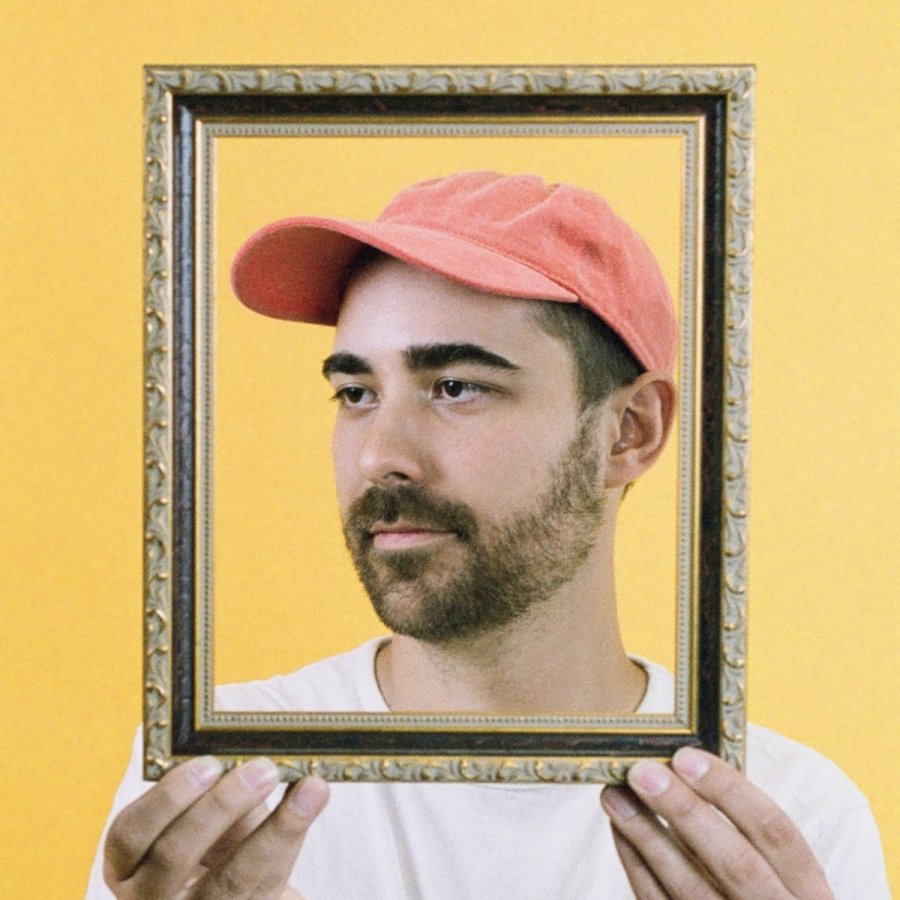
Au Gres is the moniker of Michigan-based singer-songwriter Joshua Kemp, who’s just released his charming debut single “Nervous“. With a wry sense of self-deprecating humor, he states that “Au Gres was conceived, like many of us, in a bedroom, on a flimsy desk, with unimpressive equipment.” That may well be, but I say the results are quite impressive. Melding elements of indie rock, lo-fi and synth pop, with “Nervous”, he’s created a delightfully dreamy soundscape for his warm, pleasing vocals. His beautifully strummed acoustic and electric guitar notes are nicely complemented by sparkling synths and gentle percussion, resulting in a really lovely song that I’m happy to name my New Song of the Week.
About the song, Au Gres explained on his Instagram page: “‘Nervous’ is about allowing yourself to be vulnerable. It’s awfully fitting, as releasing music often feels vulnerable to me, but some of the best things happen when we let ourselves be vulnerable.” “Nervous” celebrates the relationships that go deeper, for without opening ourselves up and allowing ourselves to be vulnerable to another person, a relationship can never fully blossom. This is expressed by the honest and simple lyric “Cause you oughta know, nothing about you makes me nervous. I feel right at home.“
I asked Joshua how he came to name his music project ‘Au Gres’. He responded that Au Gres is a town in northern Michigan. “Northern Michigan in general is a special spot for me. My family and I would vacation up north a lot when I was younger. Au Gres has Michigan roots, but it’s also French for “of sandstone” or the clay-like substance found in rivers. I felt like this name gave me permission to mold my sound into whatever I wanted, much like how clay can be molded into different shapes.”
“Nervous” is the first of many songs Au Gres plans to release over the next year or so, and I’m eager to hear them!
Like Tough On Fridays, who I wrote about a couple of weeks ago, The Metal Byrds are a female-fronted rock band from Texas. Based in the music city of Austin, the band formed in 2018 after a chance meeting between London-born singer-songwriter Suzanne Birdie and guitarist Sly Rye Dovey. Both were in other bands at the time, and one night, at the urging of a mutual friend, Suzanne sat in on Sly Rye’s rehearsal with his band. He asked Suzanne to sing any song she wanted and she began singing “Sweet Child O’ Mine”. That was all it took, and she soon joined his band and began performing with them. His band was having internal issues however, which ultimately led he and Suzanne to create their own project together as The Metal Byrds. They were later joined by bassist Kevin Kurts and drummer Alex Romanov to complete their lineup.
The Metal Byrds play a dynamic style of rock infused with healthy doses of rock’n’roll and power pop, along with enough metal in the mix to give their songs a dark, edgy quality. They released their debut EP The Song Byrd in April 2019, then quickly followed two months later with a second EP Byrds on a Wyre. On October 2nd, they dropped their latest EP Life in 20, and listening to all three works, it’s clear that their songwriting and musicianship have gotten stronger with each release.
As the title would suggest, the opening track “The Ganges” starts off with Suzanne singing what sounds like an Indian chant, accompanied by jangly Indian instruments lasting around 15 seconds. Suddenly, the song blasts open with a juggernaut of Metallica-esque riffs, gnarly bass and pummeling drums that takes the song deep into hard rock territory. Sly Rye’s guitar work is truly impressive as he shreds the hell out of his six-string, laying waste to the airwaves with rapid-fire noodling and wailing distortion. Suzanne’s aggressively fervent vocals demand our full attention as she sings of feeling overwhelmed as if drowning, while making references to maharajas, brahmins and ghats.
“Dreamin’” is a full-on rock’n’roll banger, with furious riffs and explosive rhythms that really showcase what The Metal Byrds are all about. Suzanne emphatically implores a love interest to give her a little consideration: “Can’t you see I’m standing right here in front of you / But you don’t even notice.” Keeping with that theme, “Tell Me” is about coming to terms with the fact that, no matter how hard you’ve tried, the person you pinned all your hopes on just doesn’t feel the same toward you. Suzanne’s emotion-filled vocals convey the sad resignation expressed in the lyrics “Tell me I’m wrong, you’re not the one. I don’t need convincing.” Musically, the song starts off as a folk ballad but gradually transitions into a terrific Southern rocker, with lots of great twangy and distorted guitars. It’s my favorite track on the EP.
The rousing title track “Life in 20” has a Pat Benatar vibe, with a frantic driving beat and more of Sly Rye’s fantastic riffing. In fact, the song reminds me a bit of Benatar’s “Heartbreaker”. In their notes, the band states the song “is a generalization of what the year 2020 has been like. A diary of events and feelings, of sorts. The guitars wail, along with lead singer, Suzanne Birdie’s voice, to evoke feelings of struggle and inequities that we have experienced during the past year.” Suzanne mournfully laments “Everything could end, you don’t know. One step from letting go.”
“Impossible” is another excellent hard-rocking tune, with the kind of powerful driving beat that I love. Kevin and Alex deliver aggressive thumping rhythms guaranteed to get your blood pumping and hips moving, and Sly Rye layers a lively mix of staccato riffs and screaming distortion that would satisfy even the hardest metal head. Suzanne gives her lover an emphatic kiss-off: “I’m leaving tonight to get on this flight like a thief in the dark to protect my own heart / You’re impossible to love, and still too blind to see.”
Life in 20 is a great little EP that gets better with each listen. The Metal Byrds sure know how to rock, and I think this is their finest work yet. As I noted earlier, the quality of their songwriting, production and musicianship have gotten stronger on each release, and I’m confident they’ll continue on this upward trajectory.
Note: The version of the EP on Bandcamp features five tracks, however, the one on Spotify and Apple Music also includes a sixth track, a radio edit of “The Ganges” without the 15 seconds of Indian chanting at the beginning.
Since forming only two years ago, Dutch indie alt-rock band Morgendust have made quite an impression both at home and abroad with their superb music. The Zwolle, Netherlands-based quintet is comprised of Marco de Haan (lead vocals, guitars), Ron van Kruistum (guitars, backing vocals), Iwan Blokzijl (keyboards, backing vocals), Dario Pozderski (bass, backing vocals) and Job Noordmans (drums & percussion). All are talented and accomplished musicians with years of collective experience playing in other bands and as session musicians, imparting their music with a maturity and worldliness that comes from having lived on this earth for a while and experiencing the joys and pains of life, love and relationships. Through intelligent, thoughtful lyrics, they tell stories that everyone can relate to, and package them with exquisite dark-edged rock melodies and beautiful instrumentation.
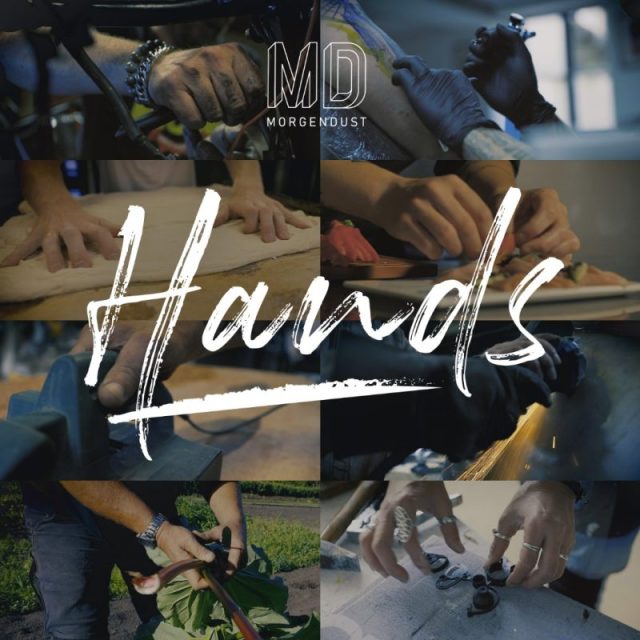
In September 2019 they released their outstanding debut EP Storm Will Come, then followed up this past May with a powerful and timely single “Alien”, inspired by the story of band member Pozderski, who as a young man fled his war-torn homeland of Bosnia. (You can read my reviews of the EP and single by clicking on the links under “Related” at the end of this post.) In July, they released another great single “Sundays”, and now return with their latest offering, an inspiring and lovely new single “Hands“, which I’ve chosen as my New Song of the Week.
The song is a tribute to all the craftsmen and women around the world who take care of us. About the song, Morgendust explains: “Making, building and creative hands. At work and at home. Helping, stroking and saving hands. By caring and loving in families and relationships. Hands can make what our eyes can see. Hands can make or break our relationships. We tell a story with our hands. Hands are valuable tools. For the makers who help shape and keep our society running and for all of us to support each other. Or the encouraging handshake as soon as the rules allow it again. Making, building, creating and connecting hands.
As a band we pay tribute to these crucial limbs by celebrating craftsmen from our hometown Zwolle. The stories of a chef, farmer, furniture maker, artist, motorcycle mechanic, baker and tattoo artist all come together in the new video clip shot by (Dutch 3FM / Radio 2) photographer and filmmaker Bullet Ray (Raymond van Olphen). The release of ‘Hands’ is accompanied by a fan contest, in which the fans participated by singing the chorus “build it with your hands” and doing something with their hands.”
“Hands” is an uplifting, celebratory song that just makes you feel good. It’s an affirmation that the world and the people in it are basically good and that everything is gonna be okay. To convey the sentiments expressed in the hopeful lyrics, Morgendust starts with an upbeat melody, then layers a mix of sunny guitars, humming bass, swirling synths and lively percussion to create a joyous backdrop for Marco’s warm, earnest vocals.
That Hidden Promise is the music project and alter ego of British singer-songwriter and multi-instrumentalist Wayne Lee. Based in Somerset, England, he’s been recording and performing under that moniker since 2011. The talented and versatile fellow writes his own songs, plays acoustic and electric guitar, and creates all his own music, including beats and percussion. He’s produced an extensive catalog of outstanding alternative and pop-rock music over the past nine years, often incorporating blues, post-punk, folk, electronic, psychedelic and shoegaze elements into the mix. The result is a varied and eclectic sound, delivered with exceptional guitar work and distinctive vocals that remind me at times of a young Bob Dylan.
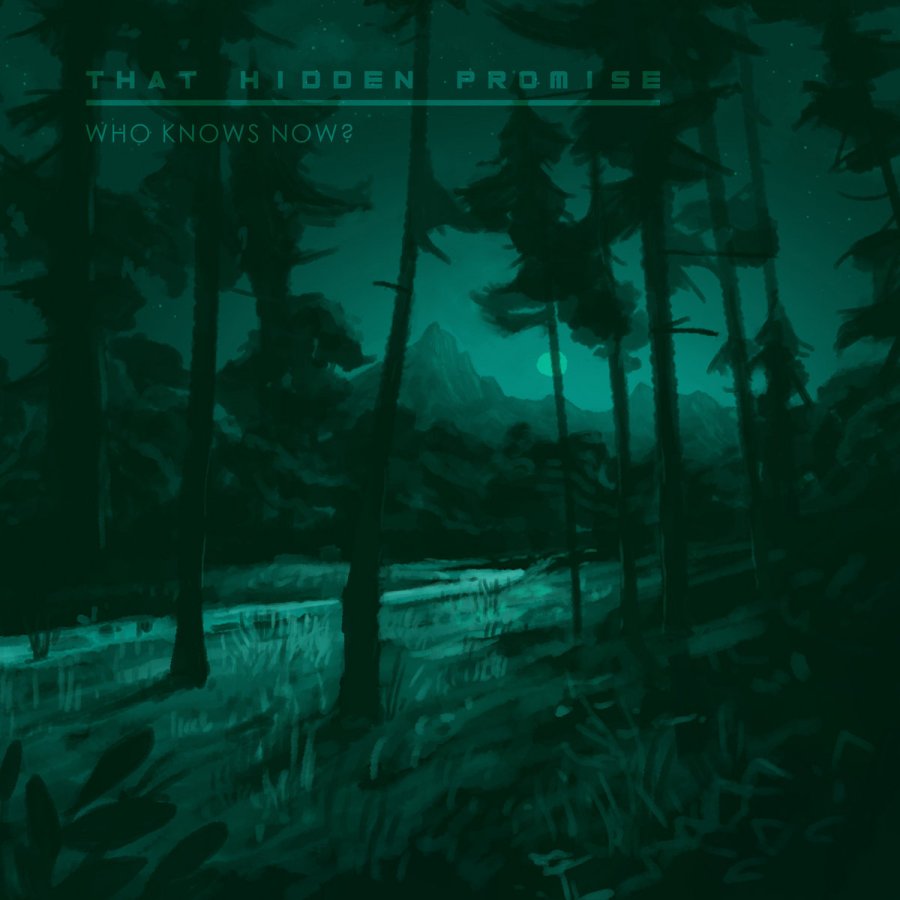
I’ve featured That Hidden Promise on this blog a number of times over the last three-plus years, most recently just two months ago when I reviewed “You Can Have the World”, the lead single from his new album Who Knows Now?, which dropped October 2nd. The album is an ambitious and meticulously-crafted work featuring 12 tracks that, in Lee’s own words, “explores what it is to be in these times, through the joys, the frustrations, the anger, injustice and how do we even know what our place is in this world anymore?” The album was recorded and entirely self-produced, mixed and mastered by Lee between March-May 2020.
The album opens with “Intro“, an ominous instrumental track with a harsher and more psychedelic feel than any previous songs I can recall hearing by him. The spooky industrial synths and mix of wailing and distorted guitars set a darkly beautiful tone for what’s to come, and I love it. Next up is “You Can Have the World“, and as I wrote in my review of the song, Lee’s intricate layered guitar work is nothing short of spectacular as he delivers an explosive torrent of ever-changing textures that go from melodic to aggressive buzz-saw to screaming distortion. It’s an electrifying and powerful wall of sound for his plaintive vocals, driving home the urgency expressed in his biting lyrics that speak to finding strength through one’s confusion and rage over a corrupt and unjust system in order to survive and ultimately rise above it: “You can have the world if you’re gonna pay / Though have you got the nerve to fail again and again / Those who lead won’t keep you down / They may seek acclaim but it’s clear / If I win, If I fail in this world, Ain’t a damn thing to do with them.” I think it’s one of the best songs he’s ever recorded.
On “Your Own Enemy“, he urges us to live our own truths and forge our own paths forward in life: “Cut out all the voices, all the actions not working for you / Act free Act simply Act in your best interest / Forego your ego / Your shackles, release them / Construct your own self, not one projected for you.” Over a driving rhythm of throbbing bass and urgent toe-tapping beats, he layers a mix of gnarly and jangly guitars, all of which makes for a rousing and satisfying folk-rock song.
“Caught in Yesterday” is a breezy and pretty tune, with lots of great guitar work and pleasing horn synths. The lyrics are an assurance of unconditional friendship, acceptance and standing by someone,: “You’ve got nothing to prove to me / If the world should split in two I’d be on the side with you / If the world should break in four we’d belong for evermore.”
Following on that thread, “End Game” is pre-apocalyptic, and speaks to finding acceptance and peace of mind when the end does arrive: “As we reach the end game / As we near our time don’t let fear sweep over / Just learn to free your mind / So take me with you to paradise / Away from conflict Away from these times.” It’s a musically complex and stunning song, and a real testament to Lee’s impressive songwriting and musicianship. The song opens with an ominous-sounding drumbeat, accompanied by gentle industrial synths, then a lovely strummed guitar enters along with shimmery synths, softening the mood as Lee begins to sing. Eventually, the languid vibe is briefly interrupted by a flourish of screaming guitar, only to calm back down. This back and forth continues through to the end, punctuated by some really stellar guitar work. It’s one of my favorite tracks on the album.
As the album progresses, I’m struck by how really good every track is, as well as the variety of melodies, textures and sounds he’s used. It holds our interest from one track to the next, keeping the record from ever feeling monotonous or predictable. “One Day Other Than This” is a melancholy but lovely song with his heartfelt vocals accompanied by gentle string synths and beautifully strummed guitars, whereas the gorgeous “Stop Praying For the Sun” has a sweeping cinematic feel like a song you might hear in a Western movie soundtrack. Lee explained to me that lyrics are about not waiting for things that are out of your control to happen (praying for the sun), and also whether what you’re doing or where you’re headed is just delusion: “A new delusion of false design / If the best of times will come / Stop praying for the sun.”
“Not In This World (Or the Next)” has a folk/Americana vibe, with a bouncy, head-bopping beat and lively riffs of jangly guitars. That Hidden Promise seems to ponder about our purpose on this earth: “I’ve given more than I can take / How much longer should I have to wait? / There’s time to come, there’s time to try / You give your all, but is it right? Alright.” The hauntingly beautiful “What Lies Beneath” is another favorite of mine, thanks to its eerie melody, piercing synths, and incredible guitar work.
That Hidden Promise turns more hopeful with “Calling All You Seekers“, a poignant ballad about holding on to our sense of adventure and optimism, and never giving up: “Calling all you seekers / The places yet to go / The majesty of wanderlust forever taking hold.” And even more so on “In the Night Time“, a celebratory folk-rock song about grabbing hold of one’s dreams and trying to make them real: “In the night time I’m inspired, and I just can’t settle / On fire / And this fever burns inside.“
The closing track “Screaming in My Soul” seems to be somewhat auto-biographical, or at the very least, touches on some of the demons that plague musicians and songwriters if I’m reading these lyrics correctly: “Do you know what’s it’s like? To have a demon strip your soul / Well I know /All the songs that are trapped in my head / All the words that are lost in some black hole / I wish I could know how to bring them home / Got a screaming in my soul now.” Over a pulsating hypnotic groove, he layers swirling synths and a mix of intricate guitar riffs and textures to create a mesmerizing track.
With “Who Know Now?, That Hidden Promise has created his best work yet. It’s an exquisite album filled with exceptional songs, and his impressive songwriting, musicianship and production skills are evident on every track.
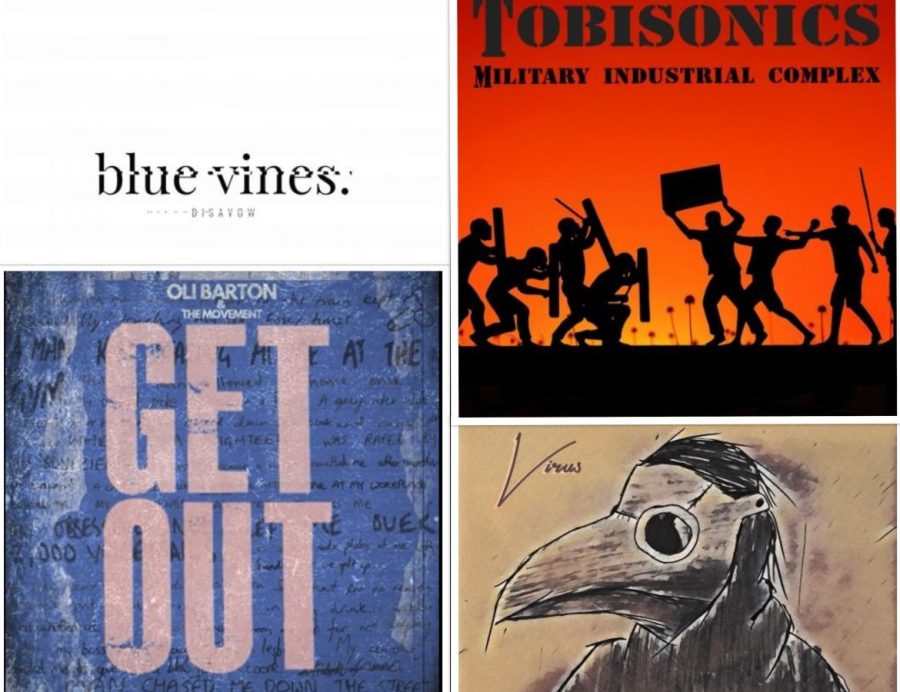
I’m sent so much new music each week that it’s nearly impossible to keep up with it all, let alone write about every single, EP or album that enters my inbox or various social media messaging platforms. With that in mind, I’ve decided to try posting a weekly digest containing several new tracks, so that I can feature more artists. For my first such post, I’m including some fantastic new songs by (in alphabetical order) Blue Vines, Oli Barton & the Movement, Tobisonics and Vanity Fear. All four tracks are timely and topical, addressing issues relating to politics, sexual harassment and the pandemic.
“Disavow” by Blue Vines
Blue Vines is the music project of New York City-based singer-songwriter and multi-instrumentalist Nick Gonzalez, who makes innovative indie music with punk-rock elements. In August 2019, he released his wonderful debut EP Fever Dreamy, which I reviewed. He’s just dropped a terrific new single “Disavow” that was inspired by his contempt for Donald Trump and those who enable his unrelenting mendacity and lies – a sentiment I strongly share. With a fervent sense of frustration, Nick laments “Do I need special glasses for your alternate reality, or just adjust my moral compass? Cause it’s this lack of character that knows just how to make me scream. All at once cowardly and pompous.” The track has a bouncy, mid-tempo vibe with some pretty cool jangly guitar work.
“Get Out” by Oli Barton & the Movement
London-based Oli Barton & the Movement are a favorite of this blog; I’ve written about them numerous times since first featuring them in May 2017, and their brilliant songs “Kinky” and “44” both ended up on my 100 Best Songs of 2018 list. The band is headed by singer-songwriter Oli Barton, and includes Ryan Wilson on lead guitar, Jamal Lagoon on rhythm guitar, Marco Paone on Bass, and Josh Needham on drums. With a winning combination of talent, creativity and personality, their eccentric style of alternative rock is a crazy-good mix of post-punk and psychedelia, fortified with touches of funk, grunge and pop.
Their latest single “Get Out” is a deliriously catchy pop-rock song with a decidedly darker message. The song addresses sexual harassment and assault against women within the music industry, and seeks to raise awareness of this issue that Barton and the band feel quite strongly about. All proceeds from streaming during the first month after its release will go to the charity organization Women In Music. “Get Out” is the lead single from their long-awaited forthcoming album pipe dreams, and it’s a fantastic banger with a driving dance beat so irresistible, it’ll have even the most committed wallflower up and moving! I love Barton’s colorful vocals, and he’s in fine form here as he belts out the lyrics urging women to get themselves out of abusive situations. I love it!
“Military Industrial Complex” by Tobisonics
Tobisonics is a longtime alternative electro-pop artist, composer, songwriter and music producer based in Luxembourg. I’ve previously featured him twice on this blog, most recently this past March when I reviewed his single “All These Things”. Now he returns with a powerful new single “Military Industrial Complex“, a politically-charged electronic track featuring important speeches by Presidents Eisenhower and Trump.
Like Blue Vines, Tobisonics was angered by recent actions of President Trump, namely his incendiary Rose Garden speech on June 1st in reaction to the Black Lives Matter protests. Here, he juxtaposes Trump’s speech with Eisenhower’s 1961 Farewell Address warning of the need for perpetual vigilance to safeguard the liberties of the American people against the military industrial complex. Tobisonics explains: “I’d finished the production back in July and was looking for the right artist to add vocals, but then I remembered Eisenhower’s Farewell Address. The contrast between the dignified, nuanced, and hopeful tone of his speech and the macho, antagonistic and fatalistic language of Trump’s speech was so striking, I knew I had to put them together.” The result is an immensely compelling track featuring a dramatic and pulsating groove that magnifies the chilling words contained in the speeches.
“Virus” by Vanity Fear
Vanity Fear is an outstanding cinematic rock band based in Columbus, Georgia that I recently learned about when they followed me on Twitter, and I have to say their music was a revelation at first listen. Drawing on influences ranging from alt rock and metal to pop and hip hop, their music is dramatic, sweeping and harshly beautiful in ways that call to mind such bands as Evanescence, Pink Floyd, Dream Theater and Linkin Park. Vanity Fear was founded in May 2019, and consists of husband and wife Brandon Diaz and Heather Gevonovich, Matt Hardy, Jeff Cobb and Kyle Netherland. In their brief existence, the prolific band has already dropped two full albums Vanity and Fear in 2019, an EP Faith this past June, and several singles, the latest of which is “Virus“. It’s the first single from their forthcoming EP Optophobia, and it’s magnificent. I love this song more with each listen!
The track starts off tentatively, with spooky synths and an arresting drumbeat, then gradually builds into a gorgeous soundscape of glittery synths, haunting piano keys, skittering percussion and sweeping strings. The band has three great vocalists – Heather, Brandon and Matt – each of them contributing their own unique vocal textures to the mix. Heather and Brandon’s vocal harmonies are wonderful, while Matt’s impressive rapping/screaming later in the song adds drama and tension that takes things to a whole new level. The song’s lyrics speak to the uncertainties of life and our feelings of helplessness and vulnerability that have been laid bare by the pandemic: “Everything we thought was right is wrong. Yeah it’s all broken / Everyone’s talking, nobody knows.”
Singer/songwriter Attalie has one of the most amazing and distinctive vocal styles of any artist I’ve come across. Using her colorfully expressive and soulful voice almost like a musical instrument, she produces exquisite vocal sounds and textures with incredible depth and emotional range. In December 2018, she released her marvelous debut EP Polluted, featuring three excellent songs drawing from soul, jazz, Latin and African music influences, then followed up in April 2019 with a wonderful medley of the three tracks, “Polluted: The Medley“, which I reviewed.
Now Attalie returns with a mesmerizing new single “Homeless“, the lead single from her forthcoming second EP Sigh, due out November 5. The track was co-produced by Attalie and Tshepang Ramoba, and mixed by Kudzie Mutizira. Together, they’ve created a bewitching musical arrangement with soulful piano, guitar and percussion, and highlighted by well-placed flourishes of jazzy trumpet. It’s an utterly captivating backdrop for Attalie’s rich and deeply emotive vocals.
About the song’s meaning, Attalie explains: “‘Homeless’ represents the loss of direction one faces when confronted with an unexpected turn of events. This can disrupt the comfortability associated with one’s space, further accentuating lack of direction.” Her smoky vocals beautifully capture this agonizing sense of loss and aimlessness, practically ripping at our heartstrings as she painfully laments:
It doesn’t feel like home anymore It just doesn’t feel like home anymore
A stranger at home, have I become? A stranger at home, am I? Homeless, have I become, hey? Homeless? Am I? Disconnected, I feel so, disconnected









 ECLECTIC MUSIC LOVER