EML’s Favorite Songs – “All the Things She Said” by Simple Minds

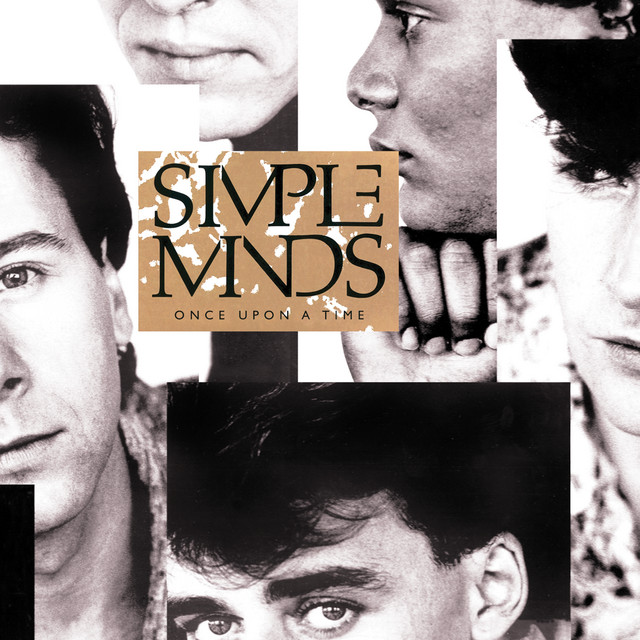
Although Scottish band Simple Minds are most well-known (in America at least) for their 1985 hit “Don’t You (Forget About Me)” (which I do love), their 1986 single “All the Things She Said” is one of my favorite songs by them. I love everything about it – that slow-burn of an opening with wobbly synths accompanied by gentle drumbeats, followed by a sultry guitar riff that expands into a glorious soundscape of sweeping strings, intense piano keys, roiling guitars and dramatic percussion, finally ending with a flourish that’s like a rock version of a classical piece. Then there’s the double threat of lead singer Jim Kerr’s sensuous fervent vocals, accompanied by soulful backing vocals by American singer Robin Clark.

Simple Minds formed in Glasgow in late 1977 from the ashes of punk band Johnny & The Self-Abusers, who split up due to internal strife, with a lineup consisting of Jim Kerr, Charlie Burchill, Brian McGee and Tony Donald, all of whom were teenagers at the time. Donald would soon leave the band, while Mick MacNeil and Derek Forbes joined, and the band would continue as a five-piece through 1981. They released their debut album Life in a Day in 1979 to limited success in the UK, and finally broke through with their fifth album New Gold Dream (81-82-83-84) in 1982, which reached #3 in the UK and #69 on the Billboard 200 Album Chart, marking their first album to chart in the U.S. But it was their song “Don’t You (Forget About Me)”, used in the opening of the 1985 film The Breakfast Club, that catapulted them to international fame. Written by Keith Forsey and Steve Schiff, and previously offered to Billy Idol and Bryan Ferry before Simple Minds agreed to record it, the song became a chart-topper in the U.S. and many other countries around the world.

Over their 46-year-long career, Simple Minds have released 21 studio albums, 11 live albums, 10 compilation albums, 14 box sets, 68 singles, and five video albums, selling more than 60 million albums worldwide. They were the most commercially successful Scottish band of the 1980s, and despite numerous changes in personnel they continue to record and tour to this day.

But back to “All the Things She Said”, in an 2015 interview with Songfacts, Kerr said the song was inspired by an article he read about Polish political prisoners in the Soviet Union. “There was an interview with wives of guys that had been away for a long time, taken away, and some of the beautiful quotations that the women had used became sort of the background for that song.

The song was included on their seventh studio album Once Upon A Time, released in October 1985 and produced by famed music producer Jimmy Iovine. The album features their four highest-charting hits in the U.S. – “Don’t You (Forget About Me)”, “Alive And Kicking”, “Sanctify Yourself” and “All the Things She Said”. The song reached #4 in Ireland, #6 in the Netherlands, #9 in the UK and #28 on the US Billboard Hot 100, though it reached #9 on the Billboard Hot Rock Tracks chart.

Don’t you look back on a big lost world
Crying out tomorrow
Don’t you look down like the heroes say
Come tell me all about it
Take me to the streets where the bonfires burn
Take me in your arms and I’ll fade away
When I hear you say what you got to say

Anywhere you go, you know I’ll still be waiting
All the things she said, she said
Little darling close your eyes, there’ll be no compromising
Of all the things she said, she said

Throw me to the street where the heartbeats beating
“Beating all around me”
To the peaceful revolution
And the perfect wave, surround me
Tell me ’bout the ocean moving in slow motion
I see it glitter in the sun
Then it’s freezing in the moonlight
Never look back, never look back, never look away

If freedom comes and goes, you know I’ll still be waiting
All the things she said, she said
You’ve fought the fight so long, no surrender to temptation
Of all the things she said, she said

Stars will fall out for you
Luck will surrender
I’m calling out to you

Oh to be near you in the first morning light
I’d be with you, I dream about you
If I could leave here, I would leave here tonight
I’d be with you, I’d stay with you tonight
Tonight

Anywhere you go, you know I’ll still be waiting
Of all the things she said, she said
When I look into your eyes, I see a new day rising
Oh all the things she said, she said
Through the eyes of love, and to never know what hate is
Of all the things she said, she said
She said, this is our time, she said, this is our place
This is the space my heart wants to be
Little darling close your eyes, there’ll be no compromising
All the things she said, she said
EML’s Favorite Songs – “Sunny Afternoon” by The Kinks

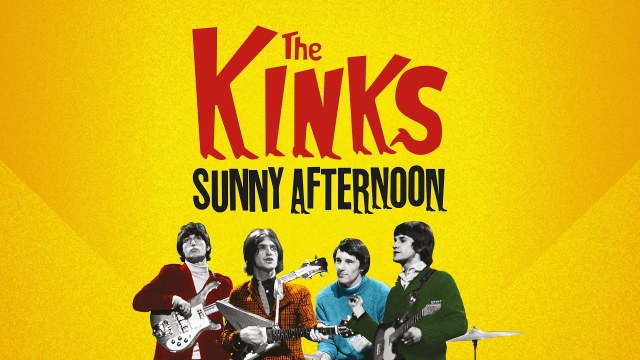
I was recently invited by fellow blogger Max Gower to participate in a special series on The Kinks for his terrific blog Power Pop… An Eclectic Collection of Pop Culture. I chose to write about their 1966 single “Sunny Afternoon”, which ranks among my top ten favorites songs by the Kinks. I was 11 when the song came out and I remember liking it a lot, not only because of its catchy, upbeat melody but also for the lines “Save me, save me, save me from this squeeze. I gotta big fat mama trying to break me” which, being an 11-year-old, I found pretty funny. Though I didn’t fully comprehend the deeper meaning of the lyrics at the time, my guess was that the song was generally about a guy’s discontent over his current life situation.

Written by Kinks frontman Ray Davies while he was at home suffering from a bad cold, “Sunny Afternoon” was inspired by the high levels of progressive tax imposed by the British Labour government of Harold Wilson (a subject also covered by the Beatles in their song “Taxman”), as well as a host of difficult issues he was facing at the time. Despite the Kinks’ immense success, group tensions, lawsuits, an unrealistic workload and unsupportive management was making them miserable. Davies was also dealing with new fatherhood, and had even left the band for a while.

In writing the song, Davis composed the melody first, then created an alter ego to express his feelings. He later recalled: “The only way I could interpret how I felt was through a dusty, fallen aristocrat who had come from old money as opposed to the wealth I had created for myself.” In order to prevent the listener from sympathizing with the song’s protagonist, a spoiled aristocrat bemoaning the loss of his vast unearned wealth, Davies said, “I turned him into a scoundrel who fought with his girlfriend after a night of drunkenness and cruelty.” (Songfacts)

Regarding those lyrics I loved as a kid, Davies explained in a 2016 interview with Q magazine: “My mother was quite large. But that also alludes to the government, the British Empire, trying to break people.”

Davies was still suffering from his cold on the day he recorded the song on May 13, 1966, and now that I know this, his nasal congestion is apparent in his vocals, which nevertheless still sound great to me. He recalled to Q magazine: “I did it in one take and when I heard it back I said, ‘No, let me do it properly,’ but the session was out of time. So that was the vocal. I heard it again the other day. I was 22 but I sound like someone about 40 who’s been through the mill. I really hang on some of the notes. A joyous song, though, even if it’s suppressed joy. I had real fun writing that.” Backing vocals were sung by Dave Davies, Kinks bassist Pete Quaife, and Ray Davies’ then wife Rasa.

With its strong music hall vibe (a type of British theatrical entertainment similar to American vaudeville that was popular from the Victorian era through World War I, characterized by a mix of popular songs, comedy and specialty acts), “Sunny Afternoon” was a continuation of the stylistic departure from the band’s earlier hard-driving, power chord songs like “You Really Got Me” and “All Day and All of the Night” that began with 1965’s “A Well Respected Man”. Besides Davies’ wonderful vocals, I love Pete Quaife’s jaunty bass riff, session musician Nicky Hopkins’ spirited piano, and the charming little musical touches like the harmonica, tambourine and lively percussion heard throughout the track.

Released as a single on June 3, 1966, “Sunny Afternoon” went to #1 on the UK Singles Chart that July, where it spent three weeks. The song also reached #1 in Ireland, Canada, the Netherlands and Norway, and peaked at #14 on the Billboard Hot 100 chart in the U.S. It was later included on their fourth album Face to Face, released in October 1966, as well as becoming the title track for their 1967 compilation album.

The promotional video produced for the single featured the band performing in a cold, snowy environment, in sharp contrast to the lyrics about enjoying a sunny afternoon.

EML’s Favorite Songs – “Shotgun” by Jr. Walker & the All Stars

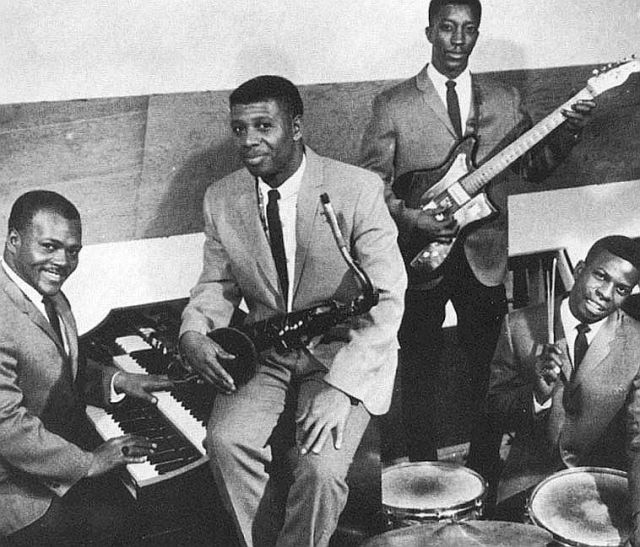
I’ve always loved a great saxophone solo (who doesn’t?), and few did them better than Junior Walker, frontman of 1960s Motown powerhouse soul band Jr. Walker & the All Stars. And one of the finest examples of his virtuoso sax prowess is their 1965 hit song “Shotgun“. I remember being blown away the first time I heard the song as a kid, and have loved it ever since. With that opening shotgun blast, quickly followed by an explosive drum roll and wailing saxophone riff, you know you’re in for a wild and exciting ride! 

Born Autry DeWalt Mixon Jr. in 1931, Walker began playing saxophone in high school, and in his mid-20s, formed his own band called the Jumping Jacks. His music style was inspired by jump blues and early R&B, particularly jazz saxophonists like Louis Jordan, Earl Bostic, and Illinois Jacque. Walker later joined The Rhythm Rockers, a group started by longtime friend and drummer Billy Nicks. After a number of changes in lineup, the band name was changed to “The All Stars.” In 1961, the group was spotted by singer-songwriter and producer Johnny Bristol, who recommended them to singer-songwriter, producer and record label executive Harvey Fuqua. Once the group were signed with the Harvey label, their name was changed to Jr. Walker All Stars. The name was modified again, to Jr. Walker & the All Stars, when Fuqua’s record labels were taken over by Motown’s Berry Gordy, making the band part of the Motown family. (Wikipedia)

The recording of “Shotgun” was sort of a happy accident. When the vocalist who’d originally been hired to sing the song failed to show up for the recording session, Walker stepped in, with the intention of his vocal being re-recorded later. Much to his surprise, Berry Gordy decided to keep his vocal take, which was a smart move. His raw vocals were a perfect complement to his exuberant tenor saxophone riff, matching their ferocity note for note. In addition to Walker’s marvelous sax, the song features terrific Hammond organ fills played by Johnny Griffith, funky guitar notes by Willie Woods and a lively tambourine by Jack Ashford.

Written by Walker, “Shotgun” was the title track from Jr. Walker & the All Stars’ debut album, released in May 1965, and their first song to chart, reaching #1 on the Billboard R&B chart and #4 on the Hot 100. They would go on to have 11 more top 40 singles, including the gorgeous “What Does It Take (To Win Your Love)” (which I featured in 2019). Walker would later play a wonderful sax solo on Foreigner’s 1981 hit song “Urgent”.

Here’s the best audio version of the song I could find:

And here’s a video of a performance of the song on an unidentified TV show in 1965:

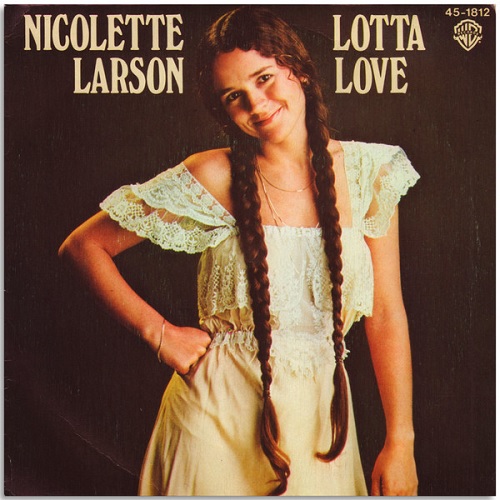
EML’s Favorite Songs – “Lotta Love” by Nicolette Larson

I was in a local shop yesterday, which had a great oldies station playing over their sound system. As I perused their T-shirt selection, “Lotta Love” by Nicolette Larson came on and I was reminded of how much I’ve always loved that song. Released on October 31, 1978, the song was the lead single from her debut album Nicolette, and became her biggest hit, reaching #8 on the Billboard Hot 100 in early 1979, and #1 on the Easy Listening (now Adult Contemporary) charts in both the U.S. and Canada. It ranks among my top five favorite songs of 1979.

Born in 1952 in Helena, Montana, Larson moved frequently during her childhood due to her father’s work with the U.S. Treasury Department, and graduated from high school in Kansas City, Missouri. She attended the University of Missouri for three semesters and worked at waitressing and office jobs, eventually moving to San Francisco to pursue the music career she’d long dreamed of. In 1975, she auditioned for Hoyt Axton, who was producing Commander Cody at the time. This led to Larson recording background vocals on Commander Cody’s 1975 album Tales From the Ozone, as well as securing a gig with Hoyt Axton and The Banana Band, who were opening for Joan Baez on her 1975 “Diamonds and Rust” tour. She also provided backing vocals for Commander Cody’s 1977 and 1978 albums, as well as for artists like Emmylou Harris, Guy Clark, Rodney Crowell, Billy Joe Shaver, Jesse Colin Young, Jesse Winchester, Gary Stewart and the Doobie Brothers.

Larson’s work with Emmylou Harris on her fourth album Luxury Liner led to her meeting Harris’s associate and friend Linda Ronstadt, who also became friends with Larson. One day in 1977 when she was at Ronstadt’s Malibu home, Neil Young phoned to ask Ronstadt if she could recommend a female vocal accompanist. Ronstadt suggested Larson (she was apparently the third person that day to mention Larson’s name to Young), whereupon Young came over to meet her. When the two proceeded to sing harmonies on several of his newly-written songs, Neil was impressed by her voice. The following week, Ronstadt and Larson recorded backing vocals for Young’s American Stars ‘n Bars album, and in November 1977, Young invited Larson to Nashville to sing on his Comes a Time album. (Wikipedia)

“Lotta Love” was written by Young, who originally recorded the song in January 1976 with his band Crazy Horse, but it wasn’t released until its inclusion on Comes a Time, in October 1978, coincidentally on the same day as Nicolette. Though Larson provided background vocals for that album, she did not sing on the “Lotta Love” track, which had been recorded more than two years earlier.

How Larson came to record “Lotta Love” was noted in a post on the Neil Young News blog, with her recalling: “I got that song off a tape I found lying on the floor of Neil’s car. I popped it in the tape player and commented on what a great song it was. Neil said: ‘You want it? It’s yours.‘” Whereas Young’s original version had a sparse, rather melancholy vibe, Larson’s version, which featured a soothing string arrangement by Jimmie Haskell, along with a bold saxophone riff and beautiful flute solo, sounded more optimistic and hopeful. Larson commented: “It was a very positive song and people don’t want to hear how bad the world is all the time. It had a nice sound rhythm and groove.”

It was that gorgeous sax and flute, combined with Larson’s lovely plaintive vocals, that made the song so impactful and special to me. I love it as much today as I did back in early 1979. Sadly, Larson died at the far too young age of 45 in December 1997, from cerebral edema triggered by liver failure, thought to be related to her chronic use of Valium and Tylenol PM.

It’s gonna take a lotta love
To change the way things are
It’s gonna take a lotta love
Or we won’t get too far

So if you look in my direction
And we don’t see eye to eye
My heart needs protection
And so do I

It’s gonna take a lotta love
To get us through the night
It’s gonna take a lotta love
To make things work out right

So if you are out there waiting
I hope you show up soon
You know
I need relating not solitude

Gotta lotta love
Gotta lotta love

It’s gonna take a lotta love
To change the way things are
It’s gonna take a lotta love
Or we won’t get too far

It’s gonna take a lotta love

Here’s Neil Young’s original version:

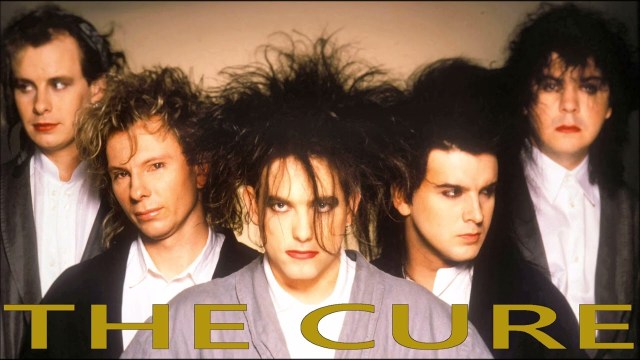
EML’s Favorite Songs – “Why Can’t I Be You?” by The Cure

The first song I ever remember hearing by English goth rock band The Cure was “Why Can’t I Be You?”, back in 1987. Though they began releasing singles in 1978 (and albums in 1979), none of their songs made the Billboard Hot 100 in the U.S. until 1985, when “In Between Days” reached #99 (though a few of their earlier singles appeared on the dance charts). 

Released in April 1987 as the first single from their seventh studio album Kiss Me, Kiss Me, Kiss Me, “Why Can’t I Be You?” was played on the radio in Los Angeles, where I lived at the time, and I immediately loved it’s bombastic energy, blaring horns and band frontman Robert Smith’s unusual and quirky high-pitched vocals. Not only did that album help The Cure break into the American music mainstream, becoming their first to enter the top 40 of the Billboard 200 Album chart, the song became their most successful in the U.S. up to that time as well, peaking at #54 on the Hot 100, with a remix of the track reaching #27 on the Hot Dance Music/Club Play Singles chart. (“Just Like Heaven”, their follow-up single from Kiss Me, Kiss Me, Kiss Me, – which is my all-time favorite song by The Cure – shockingly peaked at only #40. I wrote about that song in 2019, which you can read here.)

As it’s title suggests, Kiss Me, Kiss Me, Kiss Me is filled with songs about love and romance, and “Why Can’t I Be You?” is a shining example. The lyrics are sung by Smith to a woman he’s deeply smitten with, telling her she’s so perfect and gorgeous that he’d do anything for her, his obsession so overwhelming he even wants to be her.

You’re so gorgeous I’ll do anything!
I’ll kiss you from your feet
To where your head begins!
You’re so perfect!
You’re so right as rain!
You make me
Make me hungry again

Everything you do is irresistible
Everything you do is simply kissable
Why can’t I be you?


I’ll run around in circles
‘Til I run out of breath
I’ll eat you all up
Or I’ll just hug you to death
You’re so wonderful!
Too good to be true!
You make me
Make me hungry for you

Everything you do is simply delicate
Everything you do is quite angelicate
Why can’t I be you?


You turn my head when you turn around
You turn the whole world upside down
I’m smitten I’m bitten I’m hooked I’m cooked
I’m stuck like glue!
You make me
Make me hungry for you


Everything you do is simply dreamy
Everything you do is quite delicious
Why can’t I be you?
Why can’t I be you?
Why can’t I be you?

You’re simply elegant!

The odd video for the song was directed by Tim Pope, who’d worked with The Cure on some of their previous videos. Referred to by Pope as “the video I’ve always wanted to make“, it featured the band members performing what The Cure biographer Jeff Apter later described as “some of the most poorly choreographed dancing ever seen on MTV“. All five band members wore various costumes: Robert Smith was dressed as a bear and a school-girl in a pinafore dress, Simon Gallup as both a crow and a Morris dancer, Porl Thompson as a Scotsman as well as cross-dressed, Boris Williams as a schoolgirl and a vampire, and Lol Tolhurst in blackface and a bumblebee. In a 2019 interview with The Quietus, Pope said he regretted featuring Tolhurst in blackface, calling it “A very inappropriate choice, and not a thing I feel great about retrospectively.” (Wikipedia)

Here’s a video of The Cure performing the song for Dutch television program TopPop in April 1987:

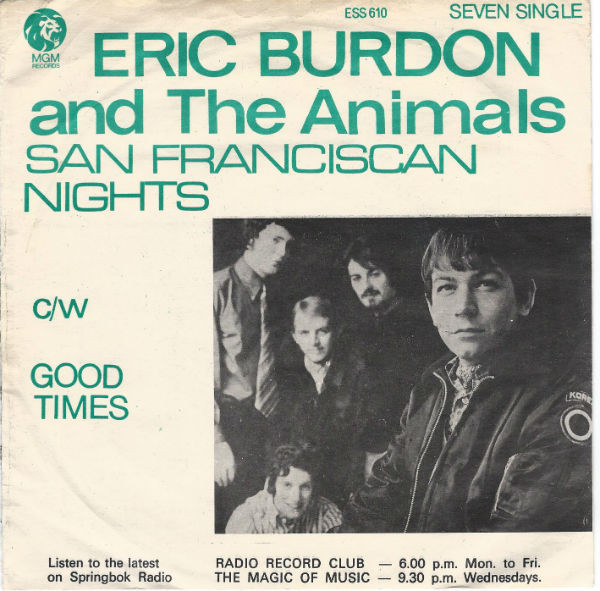
EML’s Favorite Songs – “San Franciscan Nights” by Eric Burdon and the Animals

Even as a nerdy kid growing up in the 1960s, I was a pretty big fan of English blues rock band The Animals, as well as their later psychedelic/progressive rock incarnation Eric Burdon and the Animals, which in addition to Burdon consisted of Vic Briggs, John Weider, Barry Jenkins, and Danny McCulloch. One of my favorite songs from their latter period is “San Franciscan Nights“. In those days, I lived in Santa Clara, a mid-sized city located approximately 45 miles south of San Francisco. And though I was only 13 when the song came out during the so-called “Summer of Love” in 1967, and still too young to really relate with the hippies who’d become a major cultural force in the city by then, the song still strongly resonated with me.

Furthermore, in addition to already being a huge music lover, by the age of 13 I’d also become a serious weather geek. I religiously watched the evening weather reports on TV and read every weather report in the newspaper, and learned about the complex and variable Bay Area microclimates, where during summer it was not uncommon for some inland locations to be as much as 30-35 degrees warmer than the coast, including San Francisco, which is known for its cool, frequently foggy weather. As Mark Twain once purportedly quipped (though he never actually said it), “The coldest winter I ever spent was a summer in San Francisco.” My point is, it was rather intriguing and even romantic that Eric Burdon would sing the praises of a warm night in San Francisco, which almost never happen. But when they do, they’re really quite magical.

The band wrote “San Franciscan Nights” as a protest song against the Vietnam War, although the lyrics also speak to several elements of the Summer of Love, which was broadly defined as a major social phenomenon that took place in San Francisco during the summer of 1967, in which as many as 100,000 mostly young people, hippies (sometimes referred to as flower children), beatniks, and 60s counterculture figures converged in the city’s Haight-Ashbury district and Golden Gate Park. Essentially, the Summer of Love encompassed hippie culture, spiritual awakening, hallucinogenic drugs, anti-war sentiment, and free love, including a strong interest in Indian religions such as Hinduism and Buddhism.

The song opens with a brief musical parody of the Dragnet theme, accompanied by a spoken word dedication by Burdon “to the city and people of San Francisco, who may not know it but they are beautiful and so is their city“. He then urges European residents to “save up all your bread and fly Trans Love Airways to San Francisco, U.S.A.,” so that they’ll maybe “understand the song“, assuring them “It will be worth it, if not for the sake of this song, but for the sake of your own peace of mind“.

“San Franciscan Nights” then transitions into a lovely melodic song, featuring a mellow bass line, a gentle repetitive drum beat and intricate guitar chords, punctuated with what I’m guessing is a sweet mandolin in the choruses. I’ve always loved Burdon’s deep baritone vocals, which are often powerful and sometimes even menacing on many of their songs, but here they sound warm and comforting as he sings of happenings on a warm San Franciscan night, including hallucinogenic images of a strobe light’s beam creating dreams, walls and minds moving and angels singing, cultural icons like blue jeans and Harley Davidsons, and references to a cop’s face filled with hate on a street called “Love”, with an appeal to both young and old cops to just feel all right.

Strobe light’s beam, creates dreams
Walls move, minds do too
On a warm San Franciscan night

Old child, young child
Feel all right
On a warm San Franciscan night

Angels sing, leather wings
Jeans of blue, Harley Davidson’s too
On a warm San Franciscan night

Old angel, young angel
Feel all right
On a warm San Franciscan night

I wasn’t born there
Perhaps I’ll die there
There’s no place left to go
San Francisco

Cops face is filled with hate
Heavens above
He’s on a street called “Love”
When will they ever learn?
Old cop, young cop
Feel all right
On a warm San Franciscan night

The children are cool
They don’t raise fools
It’s an American dream
Includes Indians too

The song was included on their 1967 album Winds of Change, and was a sizable hit, reaching #1 in Canada, #7 in the UK and New Zealand, and #9 on the Billboard Hot 100.

And here’s a live performance of the song on an unidentified TV show, with Burdon’s live singing backed by what sounds like a pre-recorded instrumental track:

EML’s Favorite Songs – “Never as Good as the First Time” by Sade

I was a big fan of English band Sade during their peak of popularity that lasted from 1984 through the early 90s. Named after their front woman and lead vocalist Sade Adu (born Helen Folasade Adu in Ibadan, Nigeria but raised in England from the age of four on), the band also included Paul Anthony Cooke, Stuart Mathewman, and Paul Spencer Denman, all of whom were from Hull, Yorkshire. Their beautiful music is a captivating blend of neo soul, R&B, quiet storm, smooth jazz and sophisti-pop, highlighted by Sade Adu’s velvety smooth sensual vocals. Between 1984 and 2011, they released six well-received and critically-acclaimed studio albums, one live album and two greatest hits compilations, all of which reached the top 10 on the Billboard 200 Album chart. Two of them – Promise in 1985 and Soldier of Love in 2010 – went all the way to #1.

Though my favorite song by Sade is their 1984 hit “Smooth Operator”, my second-favorite is their 1986 single “Never as Good as the First Time“. I remember loving it the first time I heard it (no pun intended), as so many things about it strongly appealed to me. First off, I love the arresting opening male vocal by Leroy Osbourne, accompanied by gorgeous orchestral strings. Then the song expands into a languid and sensual bass-driven groove that sounds like a mix of Latin and Caribbean, highlighted by marvelous edgy percussion and what sounds like a scratchy guitar, accompanied by marimba and saxophone. As always, Sade’s vocals are absolute perfection as she sings of the thrilling bliss of that first kiss with someone we’re hopelessly attracted to.

On the strength of this song as well as “The Sweetest Taboo”, which I also liked a lot, I bought a vinyl copy of Promise. But I was terribly disappointed to discover that the album version of “Never as Good as the First Time” sounded quite different from the song I’d been hearing on the radio. While the song still sounds good and Sade’s vocals are great, the album version seems more subdued and, most importantly, lacks the wonderful male vocal intro I loved so much. It also ran a full minute longer than the single version (which was not necessarily a problem). My guess is that the single version that got radio play was likely recorded after the album was completed. Oh well, at least I can now stream my preferred version to my heart’s content!

The single was much more successful in the U.S., where it reached #8 on the Billboard R&B Singles chart and #20 on the Hot 100, than in the UK, where it peaked at only #89. The music video for the single, shot in black and white, features Sade Adu riding a horse through the towns of El Rocío, Almonte, and Huelva in Andalusia, Spain. (Wikipedia)

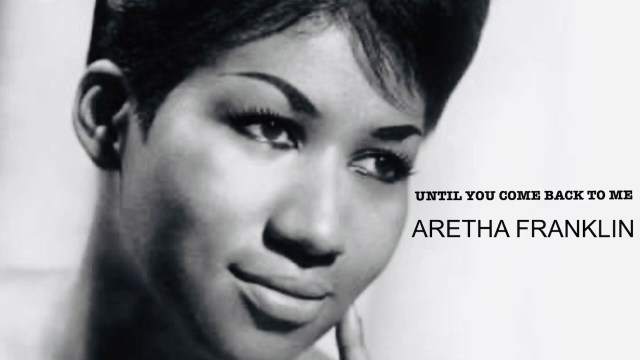
EML’s Favorite Songs: “Until You Come Back to Me (That’s What I’m Gonna Do)” by Aretha Franklin

This morning, I read a post about Aretha Franklin’s cover of “Spanish Harlem” by my fellow blogger Randy (who writes a terrific blog Mostly Music Covers), and it made me realize that I’ve never written about the legendary Queen of Soul on this blog. I’ve decided to remedy that sorry situation by featuring my all-time favorite Aretha Franklin song, “Until You Come Back to Me (That’s What I’m Gonna Do)“. 

The song was written by Morris Broadnax, Clarence Paul, and Stevie Wonder and originally recorded by Wonder in 1967, however, his version was never released as a single and did not appear on an album until his 1977 anthology Looking Back. Franklin recorded the song in 1973, backed by Atlantic Records session musicians known as the Arif Mardin Orchestra (Mardin was a VP and producer at Atlantic from 1963-2001), one of whom was the late, great Donny Hathaway, on electric piano.

“Until You Come Back to Me (That’s What I’m Gonna Do)” was released in November 1973, and later included on her 20th studio album Let Me in Your Life. It became a big hit for Franklin, reaching #1 on the Billboard R&B chart and #3 on Hot 100 chart in early 1974. It ultimately ranked #11 on Billboard’s year-end list for 1974, and #4 on mine.

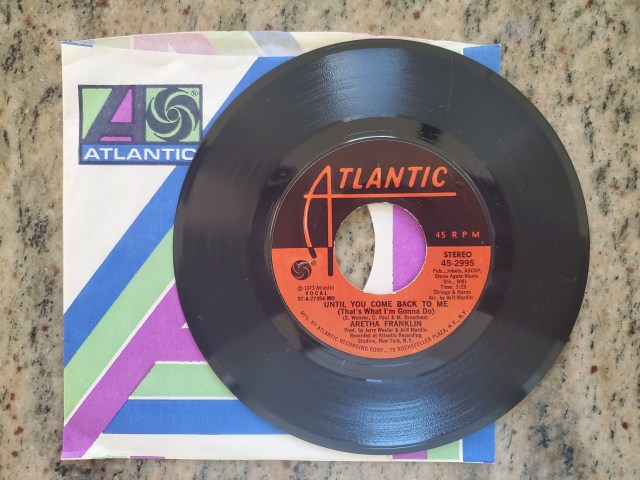
I was a nerdy 19-year-old when the song came out, and it was love at first listen. I adore that opening piano riff, the wonderful lilting flute and exuberant, breezy melody. Franklin’s vocals are marvelous, going from a pensive croon to passionate wail as she sings of missing her man and desperately wanting him to come back to her. I bought a lot of 45 singles back then, so of course had to have this in my collection. I still have my copy 50 years later:

Though you don’t call anymore
I sit and wait in vain
I guess I’ll rap on your door (Your door)
Tap on your window pane (Tap on your window pane)
I wanna tell you, baby
Changes I’ve been going through
Missing you, listen you

‘Til you come back to me that’s what I’m gonna do

Why did you have to decide
You had to set me free?
I’m gonna swallow my pride (My pride)
I’m gonna beg you to please, baby please see me (Baby, won’t you see me?)
I’m gonna walk by myself
Just to prove that my love is true, all for you baby

‘Til you come back to me that’s what I’m gonna do

Living for you, my dear
Is like living in a world of constant fear
Hear my plea (Hear my plea)
I’ve gotta make you see (Make you see)
That our love is dying (Our love is dying)

Although your phone you ignore
Somehow I must, somehow I must, somehow I must explain
I’m gonna rap on your door (Your door)
Tap on your window pane (Tap on your window pane)
I’m gonna camp by your steps
Until I get through to you
I’ve got to change your view, baby

‘Til you come back to me that’s what I’m gonna do

‘Til you come back to me that’s what I’m gonna do

‘Til you come back to me that’s what I’m gonna do

I’m gonna rap on your door (Tap on)
Tap on your window pane (Tap on)
Open out baby, I’m gonna rap on your door (Tap on)
Tap on your, tap on your (Tap on)
Tap on your, tap on your window pane (Tap on your window pane)

My Favorite Song for Every Year, Part 3: 2000-2023

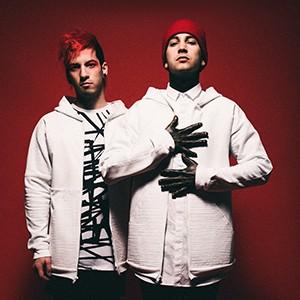
Here’s Part 3 of my favorite songs for each year from 2000 through 2023. In 2003, Coldplay became my favorite band, along with Green Day, Incubus and Weezer, and that lasted for about 10 years until they were replaced by Foster the People for a brief period. In 2015, twenty øne piløts became my favorite act, and in the years since, MISSIO, Foals, Lord Huron, Two Feet and, most recently, Beach Weather have been my favorites. I’ve written in varying detail about all of these songs in previous posts over my eight-plus years of blogging, so won’t write narratives about any of them here. Just the year, the song and the artist, and the best video I could find for each one.

2000 BENT – matchbox twenty

2001 FAMILY AFFAIR – Mary J. Blige

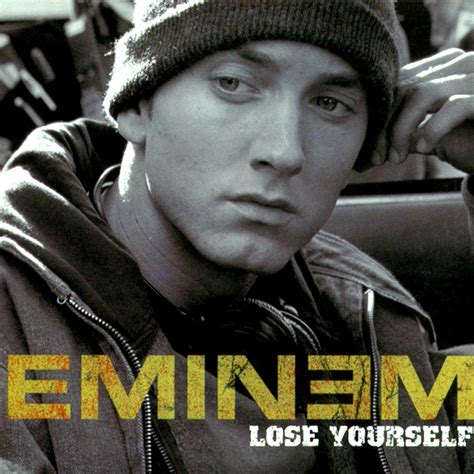
2002 LOSE YOURSELF – Eminem

2003 CLOCKS – Coldplay (my #1 song of the 2000s)

2004 THE REASON – Hoobastank

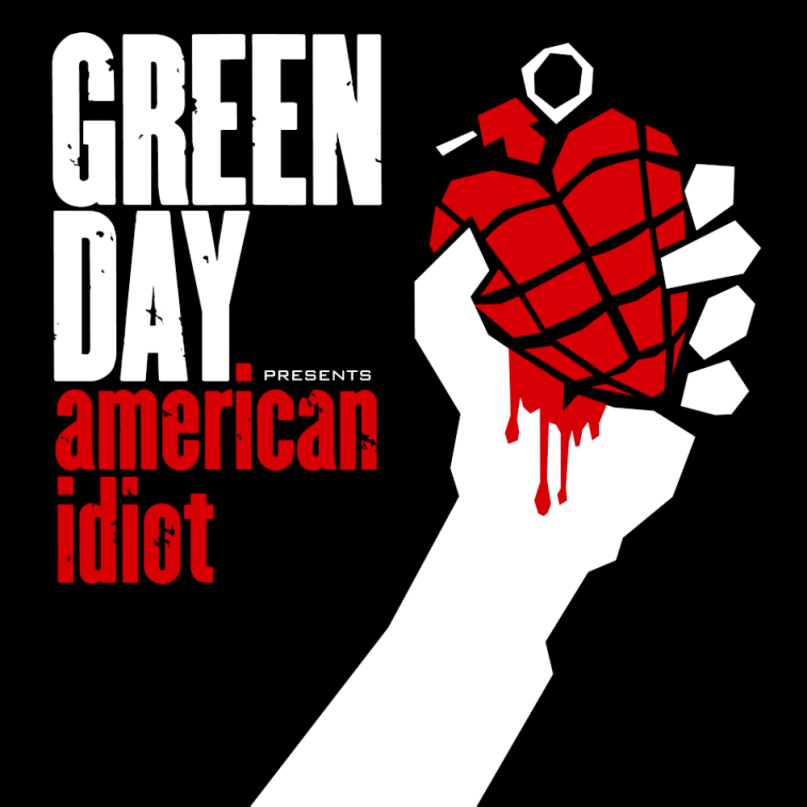
2005 BOULEVARD OF BROKEN DREAMS – Green Day

2006 SEXYBACK – Justin Timberlake featuring Timbaland

2007 THE PRETENDER – Foo Fighters

2008 VIVA LA VIDA – Coldplay

2009 LOVE HURTS – Incubus

2010 NEED YOU NOW – Lady Antebellum

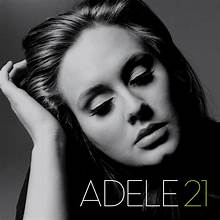
2011 ROLLING IN THE DEEP – Adele (my #1 song of the 2010s)

2012 SOMEBODY THAT I USED TO KNOW –Gotye featuring Kimbra

2013 SWEATER WEATHER – The Neighbourhood

2014 LOVE ME AGAIN – John Newman

2015 TEAR IN MY HEART – twenty øne piløts

2016 STRESSED OUT – twenty øne piløts

2017 FEEL IT STILL – Portugal. The Man

2018 BROKEN – lovelytheband

2019 I SEE YOU – MISSIO

2020 BLINDING LIGHTS – The Weeknd

2021 FIRE – Two Feet

2022 AS IT WAS – Harry Styles

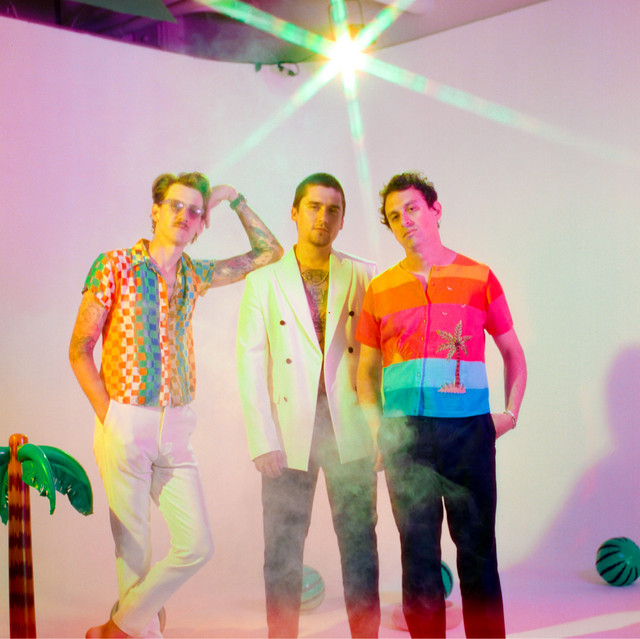
2023 TROUBLE WITH THIS BED – Beach Weather

My Favorite Song for Every Year, Part 2, 1980-1999

Here’s Part 2 of my favorite songs for each year from 1980 through 1999. I’ve written in some detail about several of these songs in previous posts over my eight-plus years of blogging, so won’t write lengthy narratives about any of them here. Just the year, the song and the artist, and the best video I could find for each one.

1980 CALL ME – Blondie

1981 BETTE DAVIS EYES – Kim Carnes

1982 MANEATER – Daryl Hall & John Oates

1983 EVERY BREATH YOU TAKE – The Police (my #1 song of the 1980s)

1984 WHAT’S LOVE GOT TO DO WITH IT – Tina Turner

1985 EVERYBODY WANTS TO RULE THE WORLD – Tears for Fears

1986 WEST END GIRLS – Pet Shop Boys

1987 WITH OR WITHOUT YOU – U2

1988 WHAT HAVE I DONE TO DESERVE THIS? – Pet Shop Boys with Dusty Springfield

1989 GOOD THING – Fine Young Cannibals

1990 NOTHING COMPARES 2 U – Sinéad O’Connor

1991 LOSING MY RELIGION – R.E.M. (my #1 song of the 1990s)

1992 CONSTANT CRAVING – k.d. lang

1993 THE CRYING GAME – Boy George

1994 STREETS OF PHILADELPHIA – Bruce Springsteen

1995 TAKE A BOW – Madonna

1996 ONE SWEET DAY – Mariah Carey & Boyz II Men

1997 ONE HEADLIGHT – The Wallflowers

1998 BITTER SWEET SYMPHONY – The Verve

1999 SMOOTH – Santana featuring Rob Thomas